


Ownership, Not Access
Monthly subscription fees keep climbing, catalog licensing deals keep collapsing, and the music you saved to a playlist last year may simply not be there next year. For a growing number of listeners, the compact disc – that 4.7-inch silver disc declared dead at least twice over the past two decades – is starting to look less like nostalgia and more like a rational choice.
Why CDs Are Worth Reconsidering Right Now
The core argument for physical media is straightforward: you buy it, you own it. A CD purchased today will play in 2040 regardless of what happens to any streaming platform’s licensing agreements, corporate mergers, or subscription pricing strategies. That permanence carries real weight when platforms like Spotify routinely remove albums due to licensing disputes and Apple Music can pull catalog titles with little warning.
Audio quality is another factor that tends to surprise people who have spent years on compressed streaming. Standard CDs store audio at 16-bit/44.1kHz – the same specification established when the format launched in 1982. That spec is lossless by definition. Streaming services, even those advertising “high quality,” often deliver compressed audio that strips out data your ears may not consciously register but your listening experience registers anyway. Unless you are paying specifically for a lossless tier, the CD is almost certainly delivering more complete audio than whatever is coming through your earbuds.
Cost works in the format’s favor too, particularly for anyone willing to shop used. Secondhand CDs at thrift stores, record fairs, and online marketplaces like Discogs or eBay routinely sell for between $1 and $5 per disc. At that price, building a library of 200 albums costs roughly the same as two years of a mid-tier streaming subscription – except the library stays yours indefinitely. New CDs still retail in the $10 to $20 range at most outlets, which is competitive with the cost of a single month on a family streaming plan.
The format also benefits from extremely mature infrastructure. CD players are embedded in millions of cars, laptops still occasionally ship with optical drives, and standalone players from brands like Sony and Denon remain in production. If hardware fails, replacements are cheap and abundant. A decent portable CD player – the kind that fits in a bag – runs between $25 and $50 new. A shelf-mounted player with solid audio output can be found secondhand for under $30 in most cities.
Getting Started: What to Buy and Where to Find It
The practical entry point is deciding what kind of collector you want to be. Some people buy purely for listening, which means condition matters most – a disc with surface scratches that skip is worthless regardless of what it cost. Others focus on specific pressings, editions, or regional releases, which adds a layer of research that parallels vinyl collecting in its depth. Both approaches are valid, but they lead to different shopping habits and different spending ceilings.
For pure listening, thrift stores – Goodwill, Salvation Army, local charity shops – are the highest-value hunting grounds. Inventory turns over constantly, prices are low, and the selection is genuinely unpredictable in a way that makes the browse feel less like a transaction and more like a find. The main discipline required is inspecting every disc before buying. Hold the playing surface up to the light and look for deep radial scratches, which typically cause skipping and cannot be buffed out reliably at home. Light surface marks, fingerprints, and minor scuffs almost never affect playback and can be cleaned with a soft microfiber cloth wiped from the center outward – never in circular motions, which can worsen damage.
Discogs is the dominant online marketplace for physical music and carries an enormous CD inventory alongside its better-known vinyl listings. Sellers rate condition using a standardized scale – Mint, Near Mint, Very Good Plus, Very Good, and so on – and buyer feedback systems create reasonable accountability. Shipping costs can erode the value of cheap purchases, so batching orders from single sellers makes more economic sense than buying one disc at a time from multiple sources. eBay functions similarly and occasionally surfaces bulk lots – boxes of 20, 50, or even 100 CDs sold by people clearing out storage – where per-disc cost drops well below $1.
Record stores that stock used CDs are worth identifying in any city that has them. Many stores that shifted to vinyl-only during the past decade are quietly restocking CD sections as demand picks back up. The advantage of buying in person over buying online is immediate condition inspection, no shipping cost, and the ability to ask staff about specific pressings or reissues. Staff knowledge at dedicated record stores tends to be genuine and is a resource worth using.
For new releases, major retailers like Target and Best Buy still carry a limited selection of current albums on CD, typically at $12 to $18. Artist web stores frequently offer exclusive editions with different packaging, bonus tracks, or alternate art – often at a price premium but with items not available elsewhere. For catalog titles, Amazon remains functional but requires attention to which edition is being sold; third-party listings sometimes advertise original pressings while shipping reissues with different mastering. Reading the listing description carefully and checking Discogs for edition identifiers before purchasing prevents most of those frustrations.
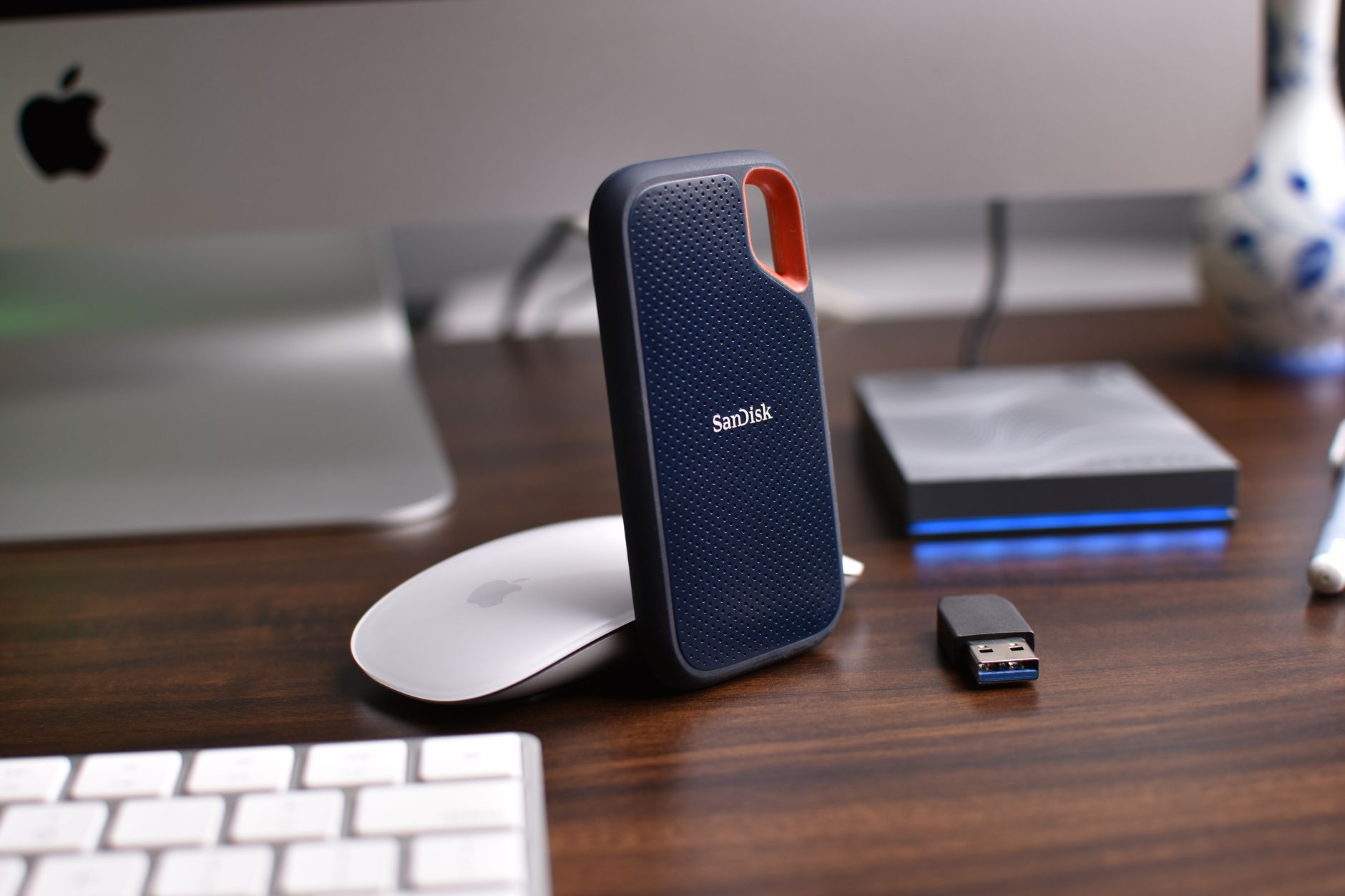
Ripping CDs to a hard drive – converting the audio to digital files you store locally – extends the format’s utility considerably. Software like Apple Music, Windows Media Player, or the free application Exact Audio Copy can rip a disc to lossless FLAC or ALAC files that play on any device. This means the physical disc functions both as a permanent backup and as the highest-quality source for a digital library that exists entirely outside any subscription ecosystem. Storage is cheap enough that lossless files present no practical constraint: a 2-terabyte external drive costing around $60 holds approximately 4,000 full albums in lossless format.
The One Question Streaming Cannot Answer
Physical media forces a different relationship with music – slower, more deliberate, built around what you actually chose to own rather than what an algorithm surfaced during a commute. Whether that sounds like a limitation or an appeal probably tells you more about your listening habits than any spec sheet can.
The format is far enough from its commercial peak that the infrastructure supporting it – used inventory, playback hardware, ripping software – is abundant and inexpensive. What remains genuinely unclear is whether the labels will continue pressing new releases on CD at current volumes, or whether production contracts quietly shrink as streaming revenue stabilizes. Several major label releases in 2023 and 2024 appeared on CD only in select international markets, with North American physical editions released months later or not at all. If that pattern accelerates, the catalog of new music available on disc may narrow faster than the secondhand market can compensate.