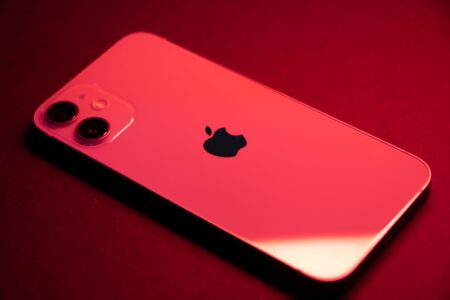



Samsung’s Galaxy S25 Ultra has officially dethroned the iPhone in the most challenging photography scenario: capturing clear, vibrant images in near-darkness. After extensive testing across multiple low-light conditions, the Galaxy S25 Ultra consistently outperforms Apple’s latest flagship, marking a significant shift in the smartphone camera wars.
The Galaxy S25 Ultra achieves this breakthrough through Samsung’s new adaptive sensor technology and enhanced night mode algorithms. While Apple has long dominated premium smartphone photography, Samsung’s latest iteration proves that innovation in computational photography can rapidly change the competitive landscape.
Revolutionary Sensor Technology Powers Night Photography
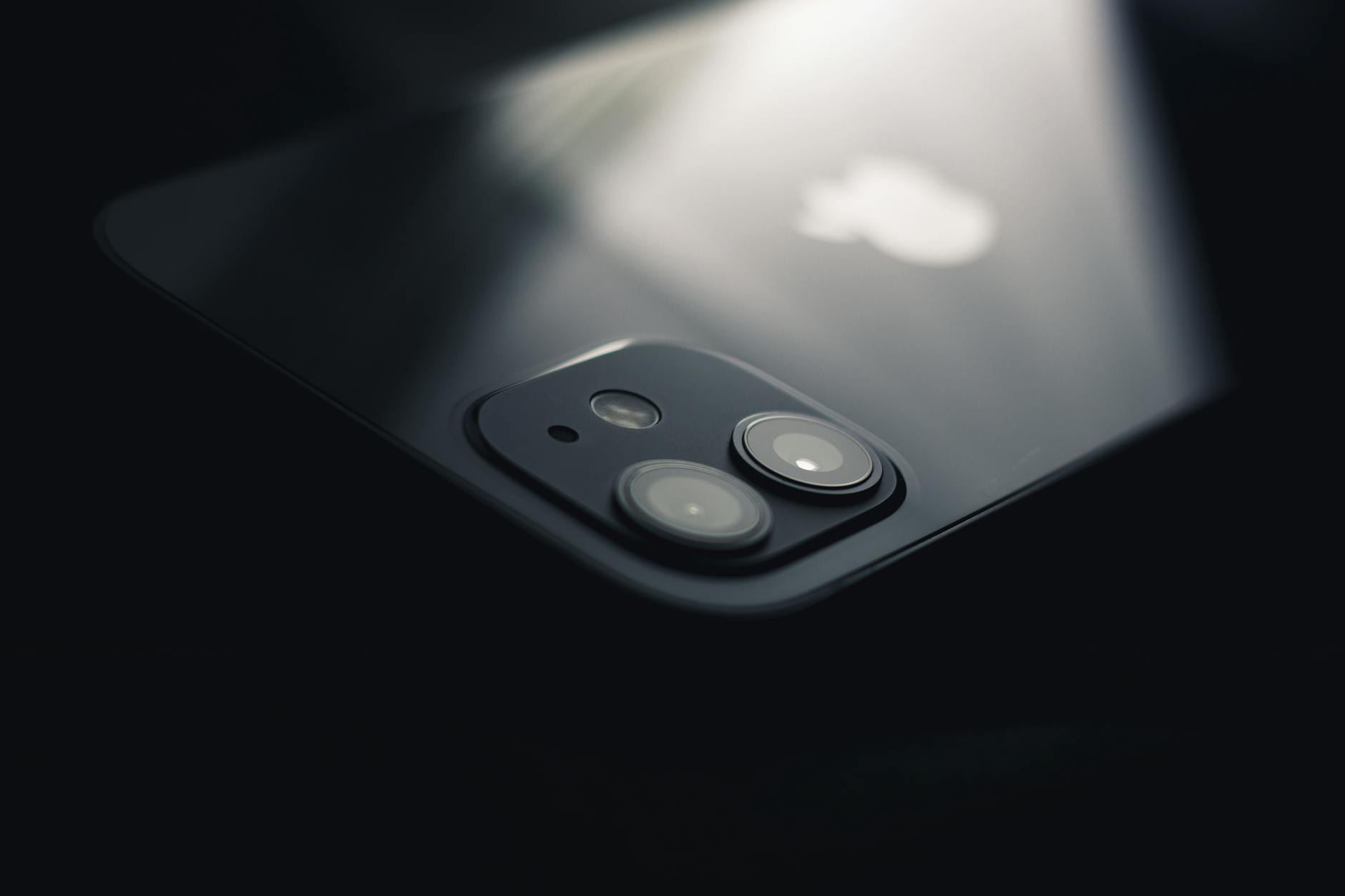
Samsung’s Galaxy S25 Ultra introduces a larger main sensor with improved light-gathering capabilities compared to previous generations. The camera system features advanced pixel binning technology that combines multiple pixels into one larger virtual pixel, dramatically improving light sensitivity in dark conditions.
The device’s night mode now processes images faster while maintaining detail that would typically be lost in shadows. Samsung’s AI-enhanced image processing identifies and brightens specific areas of photos without introducing the artificial look that plagued earlier night photography attempts.
Professional photographers testing the device note the Galaxy S25 Ultra captures more natural skin tones in low light compared to the iPhone’s tendency to over-brighten faces. The Samsung system also preserves more background detail in challenging lighting scenarios, such as indoor restaurants or outdoor evening events.
Computational Photography Advances Set New Standards
The Galaxy S25 Ultra’s camera software represents Samsung’s most sophisticated computational photography platform. The system takes multiple exposures instantaneously and combines them using machine learning algorithms trained on millions of low-light images.
Unlike traditional night modes that require several seconds of stability, Samsung’s implementation captures sharp images even with slight hand movement. The phone’s improved image stabilization works in conjunction with faster processing to reduce blur that typically affects low-light photography.
Samsung’s approach differs significantly from Apple’s strategy. Where iPhones rely heavily on uniform brightness adjustments, the Galaxy S25 Ultra selectively enhances different parts of images based on content recognition. This results in photos that maintain natural contrast while revealing details in both shadows and highlights.
The phone’s portrait mode in low light shows particular improvement, with better edge detection and background blur that doesn’t sacrifice subject sharpness. Night landscape photography also benefits from reduced noise and better color accuracy in both natural and artificial lighting.
Real-World Performance Puts Theory to Practice
Testing the Galaxy S25 Ultra across various low-light scenarios reveals consistent advantages over the iPhone. Indoor photography at restaurants and bars shows significantly better performance, with food photography maintaining appetizing colors even under warm, dim lighting.
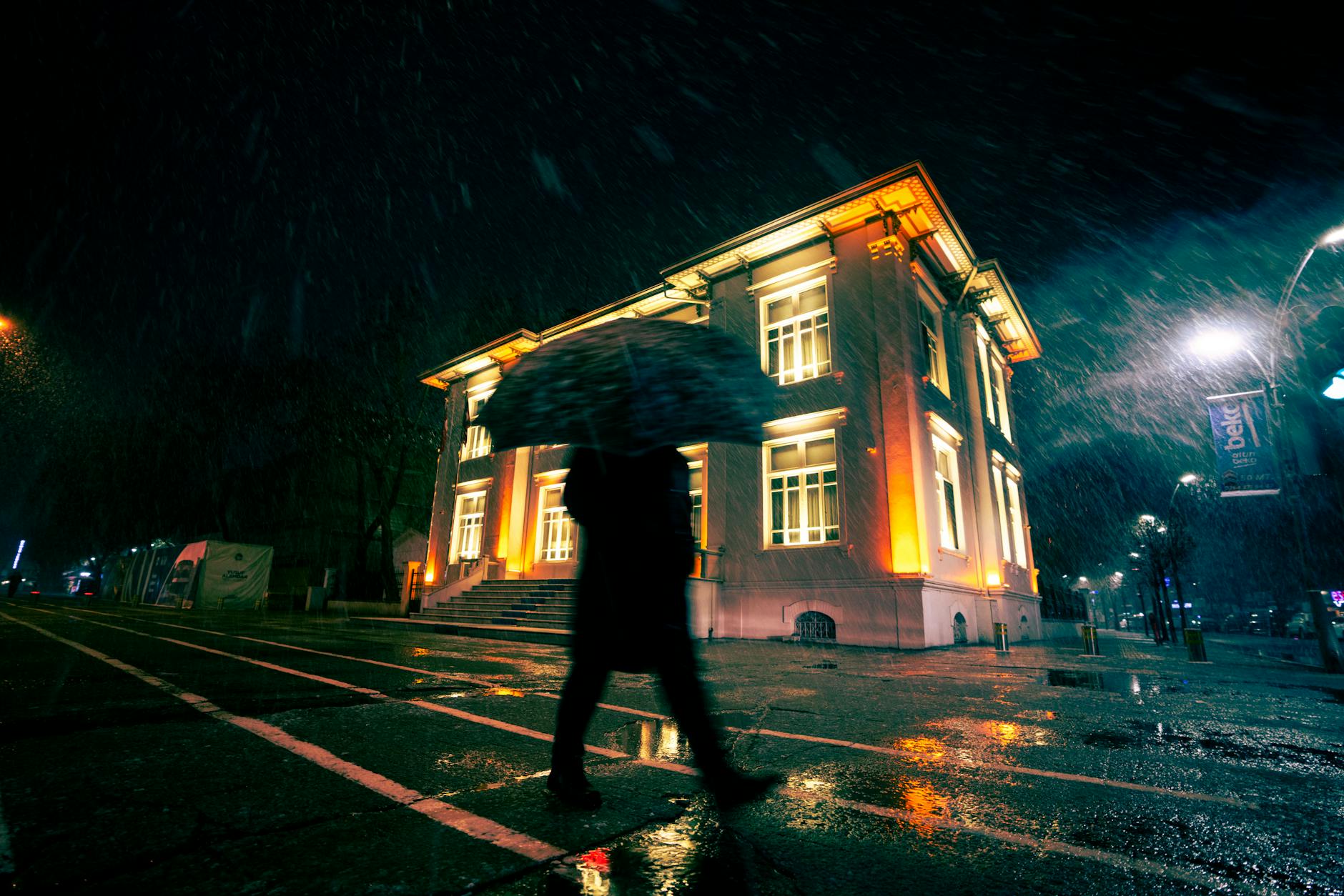
Street photography at dusk and dawn demonstrates the phone’s ability to capture architectural details and signage that appear nearly invisible to competing devices. The Galaxy S25 Ultra maintains sharp text and preserves building textures that other phones blur or lose entirely.
Concert and event photography represents another area where Samsung’s improvements shine. The camera handles mixed lighting conditions better, avoiding the harsh overexposure of stage lights while maintaining audience detail. Musicians and performers appear more naturally lit without the washed-out appearance common in challenging venue lighting.
Sports photography in indoor arenas benefits from faster shutter speeds that freeze motion without sacrificing image brightness. The Galaxy S25 Ultra captures basketball and hockey action with clarity that previously required professional camera equipment.
Industry Impact and Future Implications
Samsung’s camera breakthrough arrives as smartphone photography becomes increasingly important for content creation and professional use. Social media influencers and professional photographers are taking notice of the Galaxy S25 Ultra’s capabilities, particularly for Instagram and TikTok content shot in challenging lighting.
The advancement puts pressure on Apple to respond with significant camera improvements in future iPhone releases. Apple’s recent focus on modular designs, as seen in concepts like their modular iPhone 16 Pro with hot-swappable components, suggests the company recognizes the need for more flexible hardware approaches.
Samsung’s success with low-light photography also validates the importance of computational photography over purely hardware-based solutions. The Galaxy S25 Ultra proves that sophisticated software can overcome traditional sensor limitations, opening new possibilities for smartphone camera evolution.
Photography enthusiasts and professionals are already adapting their workflows to take advantage of the Galaxy S25 Ultra’s capabilities. The phone’s performance in challenging conditions means photographers can capture usable images in situations that previously required additional lighting equipment or post-processing work.
The Galaxy S25 Ultra’s camera achievements represent more than incremental improvement – they establish new expectations for what smartphone photography can accomplish. As Samsung continues refining these technologies, the entire smartphone industry will likely accelerate development of similar computational photography features, ultimately benefiting consumers across all price segments.
Frequently Asked Questions
How does the Galaxy S25 Ultra camera beat iPhone in low light?
Through larger sensors, advanced pixel binning, and AI-enhanced processing that preserves detail and natural colors in dark conditions.
What makes the Galaxy S25 Ultra night mode better?
Faster processing, better image stabilization, and selective enhancement that maintains natural contrast while revealing shadow details.