



Rivian Automotive CEO RJ Scaringe sat down for a wide-ranging conversation covering the competitive EV landscape, the Tesla Cybertruck, Ferrari’s Luce concept, and – with unusual directness – what a failure of the upcoming R2 SUV would actually mean for the company.
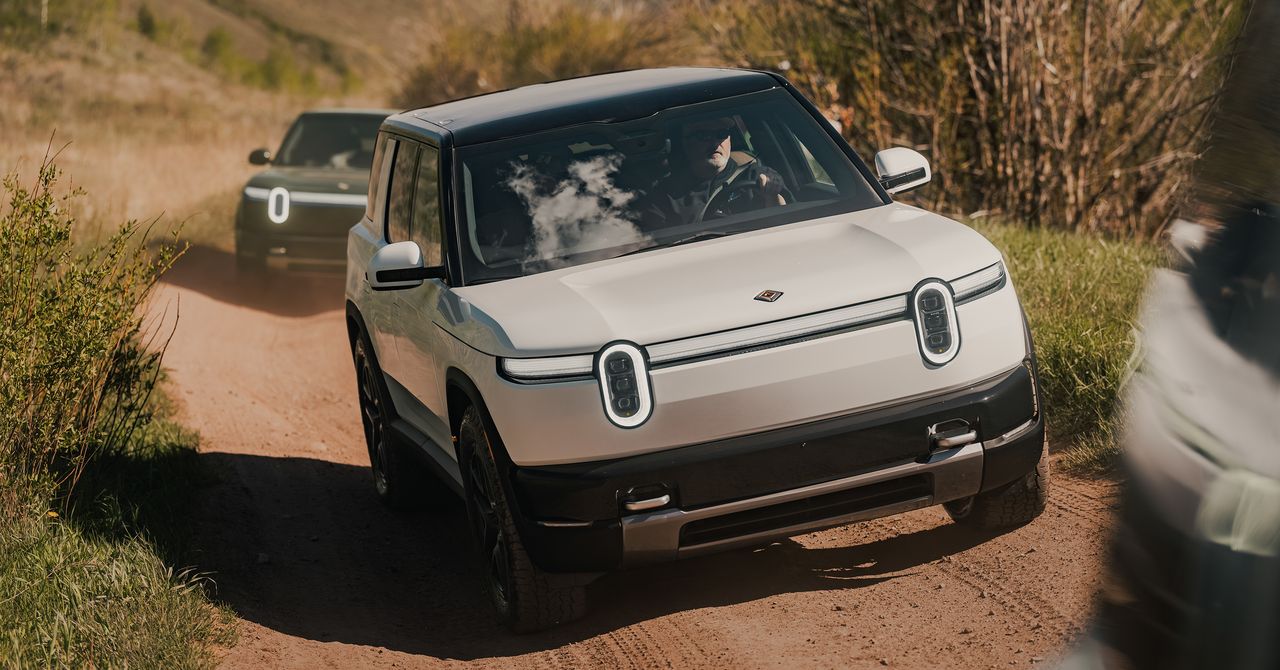
The R2 as Rivian’s Most Consequential Bet
The R2 is not just another product launch for Rivian. It is the vehicle the company needs to move from a niche, premium electric truck maker into something closer to a mass-market automaker. The R1T pickup and R1S SUV built the brand and earned genuine loyalty among early adopters, but their price points – well above $70,000 in most configurations – made them inaccessible to the broader market Rivian needs to survive at scale.
Scaringe’s willingness to publicly entertain the scenario of the R2 falling short is notable. Most automotive CEOs treat product failure as a theoretical abstraction, something they deflect with optimism and forward guidance. Scaringe addressed it as a real operational risk – which reflects both the pressure Rivian is operating under and a certain candor that has defined his public posture since the company went public in 2021.
Rivian’s financial position has been a persistent concern for analysts and investors. The company has burned through significant capital building out its Normal, Illinois manufacturing facility and developing its next-generation platform. The R2, targeted at a lower price point than the R1 lineup, is designed to bring volume that the current vehicles simply cannot generate. Without that volume, the unit economics don’t close.
A second manufacturing site, announced for Georgia, was paused as Rivian shifted focus toward optimizing its existing Illinois plant first. That decision underscored how tightly the company is managing capital – and how much hinges on getting the R2 to market efficiently and at the right price.
Reading the Competition: Cybertruck and Ferrari’s Luce
Scaringe’s comments on the Tesla Cybertruck and Ferrari’s Luce concept vehicle offer a window into how Rivian positions itself aesthetically and strategically. The Cybertruck, which finally reached customers in late 2023 after years of delays, represents one extreme of EV truck design – angular, polarizing, and built around a stainless steel exoskeleton that makes it unlike anything else on the road. Rivian took the opposite approach with the R1T: rounded, outdoorsy, and deliberately approachable.
Ferrari’s Luce is a different kind of reference point. Ferrari unveiled the Luce as a design study exploring what the brand might look like as it moves toward electrification – a concept that sits at the intersection of Italian coachbuilding tradition and electric powertrain engineering. Scaringe engaging with it publicly suggests he is watching how legacy luxury brands think about EV identity, not just how startup competitors behave.
The broader EV market that Scaringe navigated when Rivian launched has shifted considerably. Chinese manufacturers, particularly BYD, have grown into genuine global forces. Legacy automakers like Ford and GM have accelerated and then, in some cases, throttled back their EV commitments based on demand signals. The segment Rivian occupies – premium, adventure-oriented electric vehicles – remains relatively protected for now, but the R2 moves the company into more contested price territory.
Tesla remains the unavoidable frame of reference in any EV conversation. The Cybertruck’s commercial performance has been mixed – strong initial reservation numbers but a vehicle that appeals to a specific aesthetic preference that not all truck buyers share. Rivian’s bet is that a more conventional-looking, capability-focused truck and SUV lineup can capture buyers who want the utility and sustainability of an EV without the design statement that comes with a Cybertruck sitting in the driveway.
What makes Scaringe’s competitive commentary interesting is the absence of defensiveness. He is not dismissing the Cybertruck or treating Ferrari’s design explorations as irrelevant. Instead, the framing is closer to that of someone doing genuine industry analysis – acknowledging what different players are trying to accomplish and where Rivian fits, or doesn’t, in that picture. For a company still fighting for survival in a capital-intensive industry, that kind of perspective is easier to maintain when you have a clear product thesis, which the R1 lineup established and the R2 is meant to extend.
What the R2 Actually Needs to Do
The R2 has to accomplish several things at once. It needs to hit a price point that broadens Rivian’s addressable market without destroying margins that are already thin. It needs to be manufactured efficiently enough that the Normal plant can achieve the kind of output that justifies Rivian’s infrastructure investment. And it needs to land with consumers at a moment when EV adoption, while growing, is doing so more slowly than the most aggressive forecasts from 2021 and 2022 predicted.
Scaringe’s interview with Wired did not produce a detailed product roadmap or financial commitments. What it produced was a candid snapshot of a CEO who understands the stakes, has thought carefully about the competitive landscape, and is willing to say out loud that the R2 failing is a possibility worth considering – not because failure is the expectation, but because pretending it isn’t possible would be a different kind of failure entirely.
The question Rivian’s next 18 months will answer is whether a company that built its reputation on expensive, beautifully engineered vehicles for outdoor enthusiasts can execute a more affordable product without losing what made the brand worth paying attention to in the first place. The R2 will cost less. It will be built on a different platform. It will reach a different buyer. Whether that buyer sees a Rivian or just another electric SUV is the tension the company is living with right now.