



From Kitchen Counter to Bathroom Bucket
Home mushroom cultivation has moved well past the niche hobbyist corner of the internet. In 2026, countertop grow kits sit alongside sourdough starters and herb gardens as mainstream domestic projects – and the methods range from near-effortless to genuinely bizarre. After spending a full year testing the most popular approaches available, the results split sharply between reliable producers and frustrating failures buried under contamination.
The testing covered everything from commercially packaged countertop kits to a bucket of straw set up in a bathroom. Not every method delivered mushrooms. Some delivered mold, and nothing else.
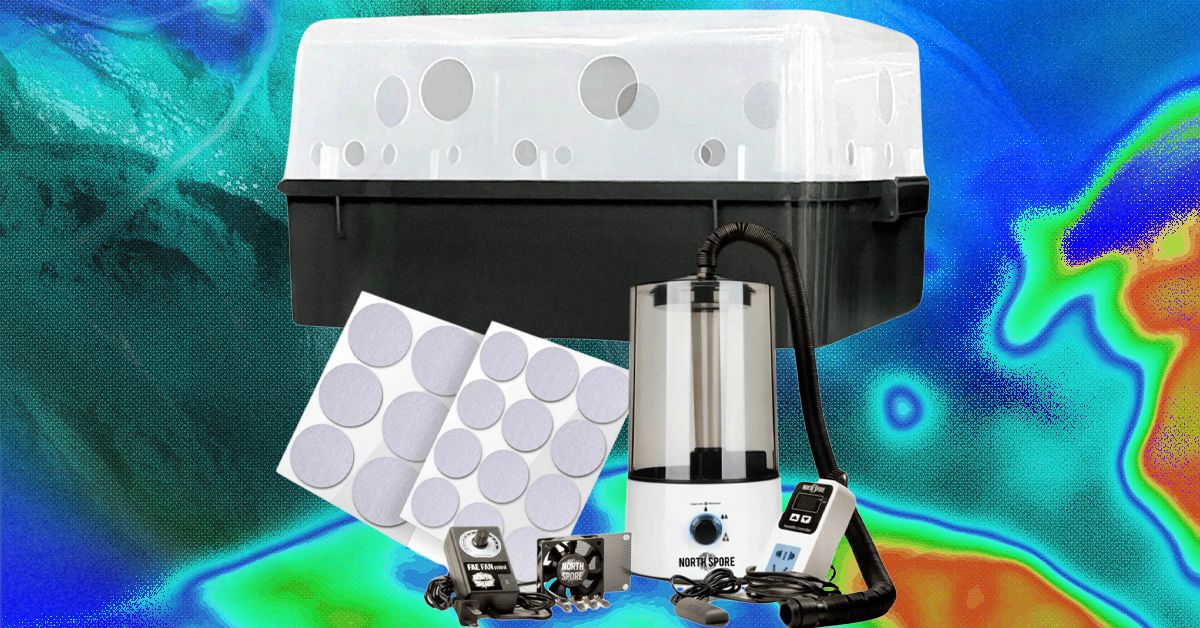
Countertop Kits: The Obvious Starting Point
Countertop kits are the entry point most beginners reach for first, and for good reason. They arrive pre-inoculated, require almost no setup knowledge, and sit comfortably on a kitchen shelf. The barrier to getting started is about as low as it gets in home food production.
What those kits trade away is scale and cost efficiency. A single kit produces a limited number of flushes – the term growers use for each wave of fruiting – and the price per harvest climbs quickly if you keep buying replacements. For someone who wants to understand the process rather than just receive the output, kits function more as a demonstration than a sustainable method. They show you what mushrooms look like when conditions are right, without explaining why those conditions matter or how to reproduce them independently.
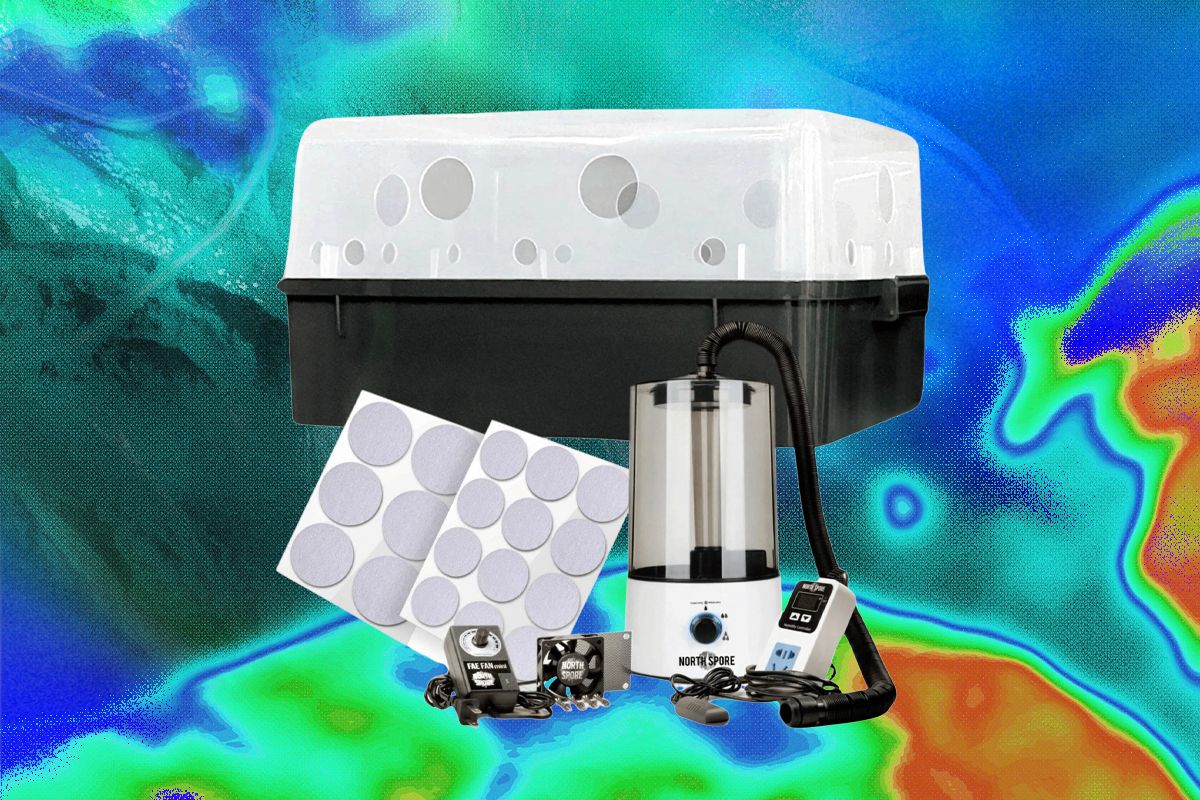
The Bathroom Bucket Method and Why It Exists
The straw-and-bucket approach, tested in a bathroom environment over the same year, exists because humidity control is one of the harder variables to manage in home cultivation. Bathrooms offer naturally elevated moisture levels, which certain species need during the fruiting stage. The logic is practical even if the setup looks unconventional from the outside.
Straw as a substrate is cheap and widely available, which makes it an appealing alternative to the more processed materials used in commercial kits. Oyster mushrooms in particular colonize straw efficiently, and the bucket format keeps the growing mass contained while allowing growers to cut holes where fruiting bodies can push through. The method requires more active management than a sealed kit – monitoring moisture, watching for competing mold, adjusting the environment based on what the mycelium is doing.
Mold contamination was a consistent problem in testing. When conditions drift slightly – substrate too wet, temperature too variable, holes cut before colonization is complete – green and black molds move in faster than the mycelium can establish dominance. Several batches across the year-long test period produced nothing but contaminated substrate that had to be discarded. This is not a failure unique to one attempt; it reflects how narrow the margin is between a productive grow and a ruined one when working without controlled environmental equipment.
What the bathroom bucket method does demonstrate, despite its failure rate, is that the underlying biology is accessible. Straw, water, mushroom spawn, and a container are the only material requirements. The difficulty is not in acquiring components – it is in managing the invisible competition between the organism you want and the organisms you do not.
What Grew Mold Instead
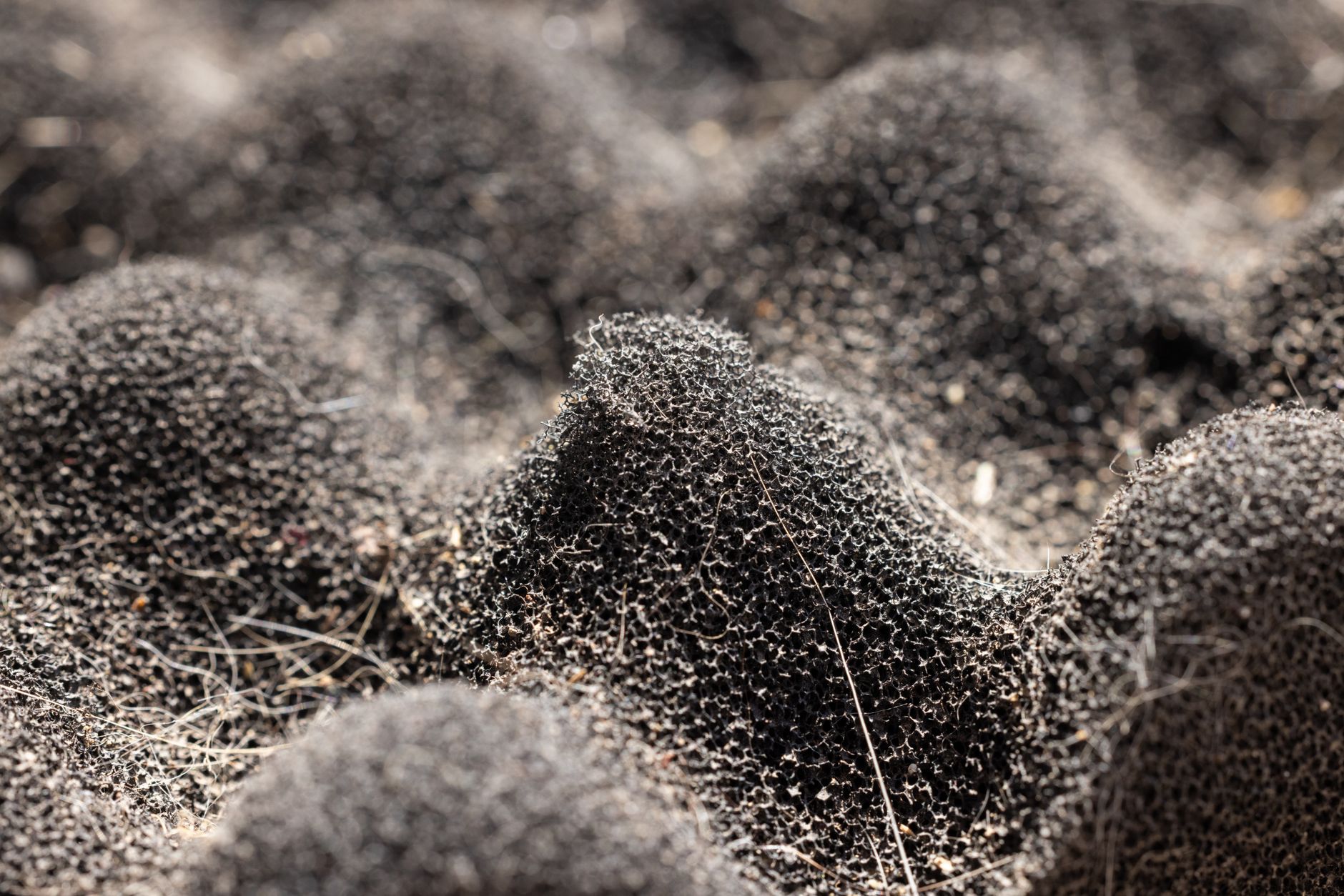
Across a full year of testing multiple methods, mold was the dominant result in a meaningful number of attempts. That outcome is worth dwelling on rather than dismissing. Home cultivation guides tend to foreground the successes and treat contamination as an edge case caused by user error. In practice, mold pressure is a structural feature of working at home without sterile lab conditions, not an exception that only careless growers encounter.
The methods that fruited consistently were those with the least exposure to open-air contamination vectors – sealed kits and setups where the colonization phase happened in a protected environment before the substrate was opened to ambient air. The methods that failed most often were those requiring extended open-air work during inoculation or mid-process handling.
What a Year of Testing Actually Tells You
Twelve months of hands-on testing across a range of methods produces something that a single attempt cannot: a picture of which failures are random and which are systematic. Countertop kits fail rarely and predictably – usually because of heat or neglect. Bucket and straw methods fail often and for reasons that require diagnosis, not just repetition. The information gap between those two experiences is where most beginner frustration lives.
The more interesting question the testing raises is what home cultivation is actually for in 2026. If the goal is mushrooms on the plate at minimal cost, most methods struggle to compete with the price of store-bought oysters or shiitakes. If the goal is understanding a biological process, controlling a small food-production system, or simply maintaining a living thing that responds to environmental decisions, then even the failures carry information. One year in, the bucket in the bathroom is still producing – intermittently, unpredictably, and with a mold problem that has never fully resolved.