


A Fault Line in AI’s Biggest Debate
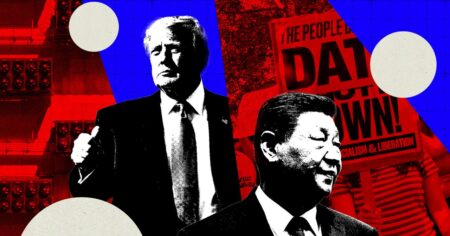
Nvidia has aligned itself with the open-source side of AI development – and the companies it chose to exclude from that alliance say as much as the alliance itself does.
The Open vs. Closed Divide Gets a Corporate Address
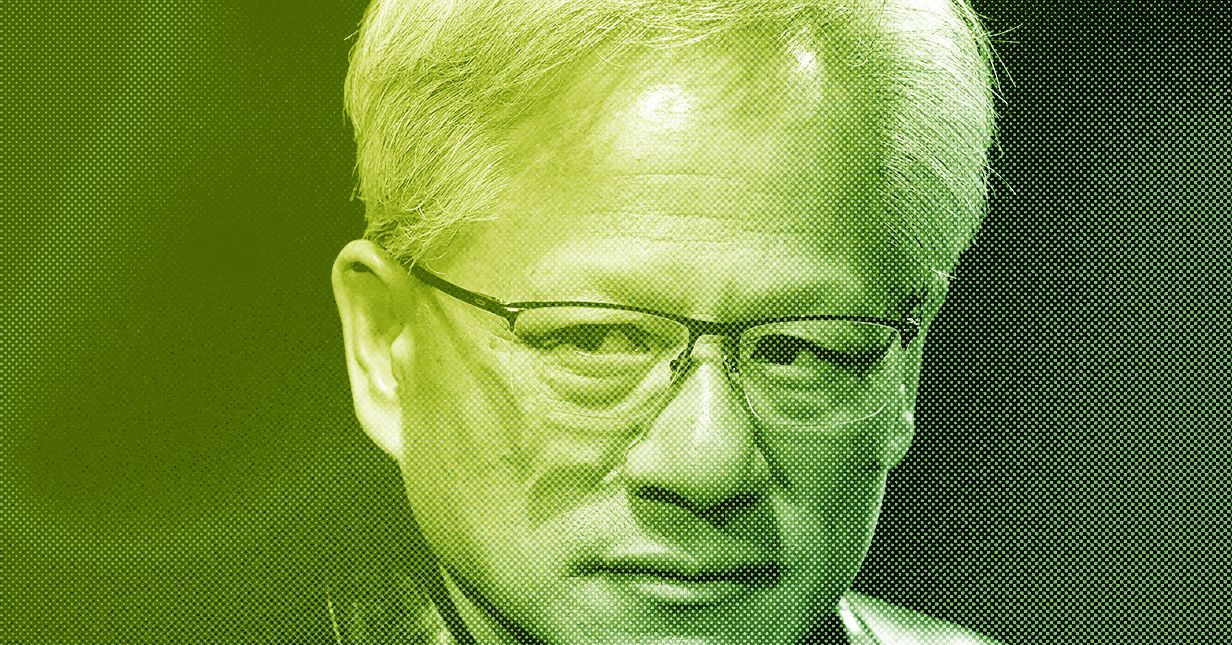
The tension between open-source and closed-source AI has been building for years, but it has rarely been expressed this directly through industry coalition-building. Nvidia’s decision to organize an open-source alliance – and to do so without OpenAI and Anthropic at the table – plants a flag in territory that was previously treated as philosophically contested but commercially ambiguous. Now it is neither.
OpenAI and Anthropic have both defended closed-model development on safety grounds, arguing that unrestricted access to frontier model weights creates risks that outweigh the benefits of openness. That argument has won them regulatory goodwill and, in Anthropic’s case, a particular brand of credibility among policymakers who worry about AI moving faster than oversight can follow. Nvidia’s snub – whether intentional or structural – signals that those safety arguments do not automatically earn a seat at every table.
The practical stakes are not trivial. Nvidia’s hardware dominates the compute layer of AI development. When the company that sells the GPUs powering nearly every major model publicly affiliates with one side of a philosophical dispute, the dispute stops being purely philosophical. Access, partnerships, and the informal networks that shape research directions all flow through relationships like this one.
The open-source AI ecosystem has grown substantially alongside – and sometimes in direct reaction to – the rise of closed frontier labs. Meta’s Llama models, Mistral’s releases, and a range of community-driven projects have demonstrated that capable models can be built and distributed without the access controls OpenAI and Anthropic maintain. Nvidia’s alliance appears to be formalizing support for that ecosystem, though the specific commitments and membership structure have not been detailed beyond the alliance’s existence. Thinking Machines Lab’s 975-billion-parameter open model is one recent example of how seriously the open-source side is competing at scale.
White House AI Policy and the People Shaping It
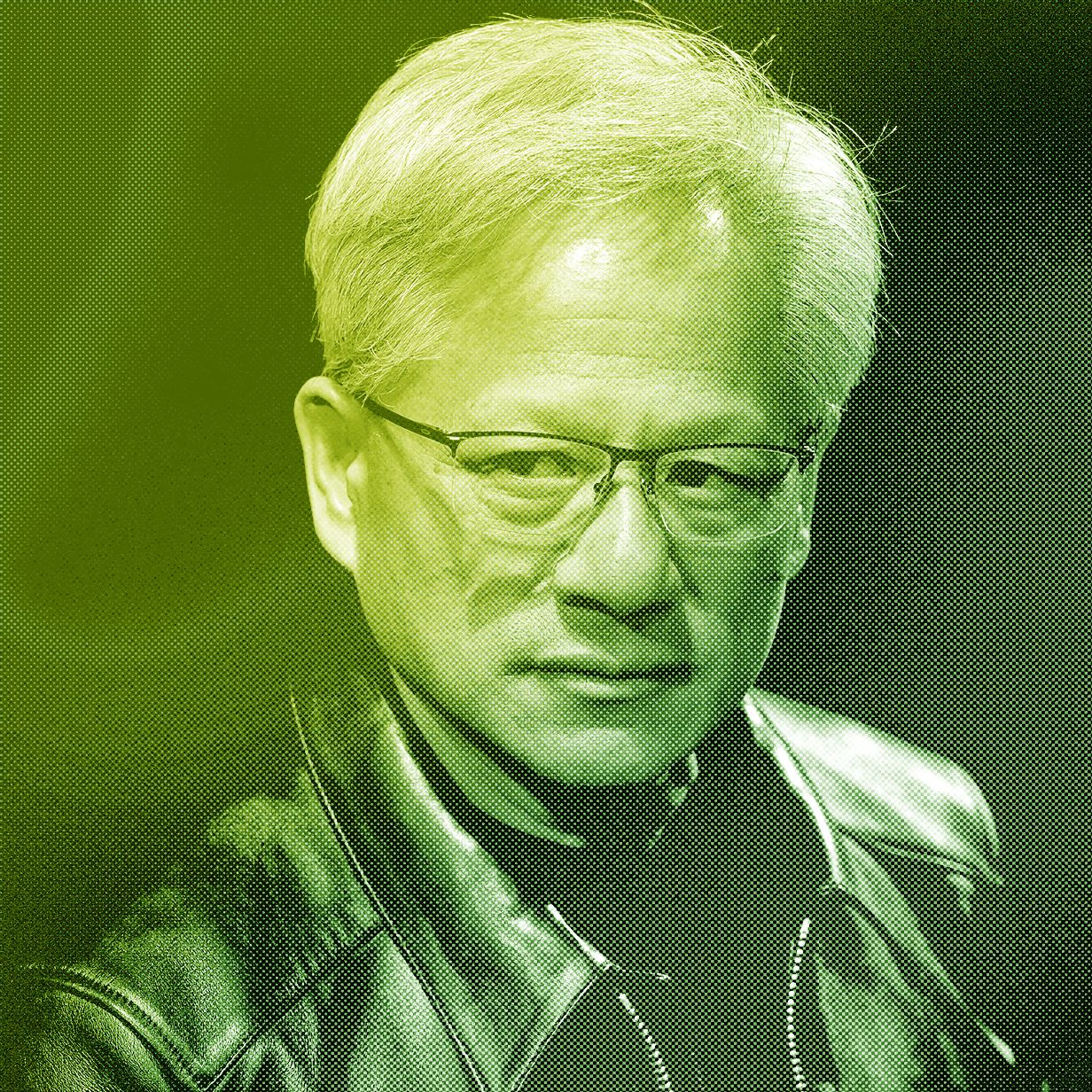
Beyond the open-source debate, attention has been shifting to the individuals currently driving AI policy inside the White House. The personnel shaping federal AI strategy matter enormously right now – not because any single policy has locked in an outcome, but because the frameworks being built in this period will constrain what is politically possible for years afterward. Who holds those roles, what assumptions they bring, and which industry voices they take seriously are questions with long consequences.
The current White House approach to AI has moved away from the more precautionary posture that characterized late Biden-era executive actions. The 2023 executive order on AI, which required safety testing and reporting from developers of powerful models, was rescinded early in the current administration. What has replaced it is still taking shape, but the direction – lighter federal oversight, more reliance on industry self-regulation, and a framing of AI development as a competitiveness issue rather than primarily a safety issue – is legible enough to read.
That framing benefits open-source advocates in some ways. If the core policy goal is ensuring American AI development stays ahead of Chinese competitors, then restricting access to model weights looks like a self-imposed handicap rather than a prudent safety measure. Open-source models can be audited, improved, and deployed by a broader base of American researchers and companies – an argument that maps well onto competitiveness rhetoric even if it sidesteps the safety concerns that closed-model developers have raised.
Anthropic has tried to navigate this tension more carefully than most. The company has engaged extensively with policymakers, positioned its Constitutional AI approach as a responsible alternative to raw capability racing, and avoided the most aggressive commercialization moves that have drawn criticism toward OpenAI. Whether that positioning holds value in a policy environment that has deprioritized the safety framing Anthropic depends on is an open question.
OpenAI’s relationship with the current administration is complicated by its own internal evolution – the company’s ongoing restructuring from a capped-profit to a for-profit model has raised questions about whether its original safety commitments remain operative constraints or historical artifacts. Those questions have not been resolved, and they hang over every policy conversation in which OpenAI participates as a stakeholder rather than a subject.
The Chatbot Log Problem Nobody Warned Users About
Separate from the industry politics, a more immediate and user-facing issue has surfaced: chatbot conversation logs appearing in search-engine results. The problem is not hypothetical. Users who have shared links to AI conversations – a feature several platforms support for the purpose of showing others a useful exchange – have found that those links are being indexed by search engines, making the contents discoverable to anyone running the right query. Depending on what was discussed in those conversations, the exposure can range from mildly embarrassing to genuinely harmful.

The fix is not complicated, but it requires users to know the risk exists in the first place. Shared conversation links need to be treated like any other public URL – once indexed, the content is accessible. Platforms that default to shareable links without clearly communicating the indexing risk are creating a disclosure problem that most users are not equipped to anticipate. Whether that constitutes negligence on the platform’s part, or simply a feature being used in ways designers didn’t fully model, is exactly the kind of question that gets decided in policy rooms – the same rooms where Nvidia’s alliance choices and White House AI appointments are already shaping what gets regulated and what gets ignored.