


A WIRED and Proof News investigation has found that gig-style staffing is moving into elder care facilities, and that inspection reports from those facilities describe what happens when temporary workers arrive with little or no onboarding. The documents point to dangerous mistakes and to permanent nurses stretched past what they can safely handle.
The people exposed to that risk are residents who often cannot speak up for themselves.
The story belongs in a technology section because of how the work is arranged. The shift-by-shift model that reshaped delivery and ride-hailing is now being applied to a setting where a single missed detail can be the difference between a routine day and an emergency. Inspection reports are where the consequences of that choice show up on paper.
What the Inspection Reports Describe
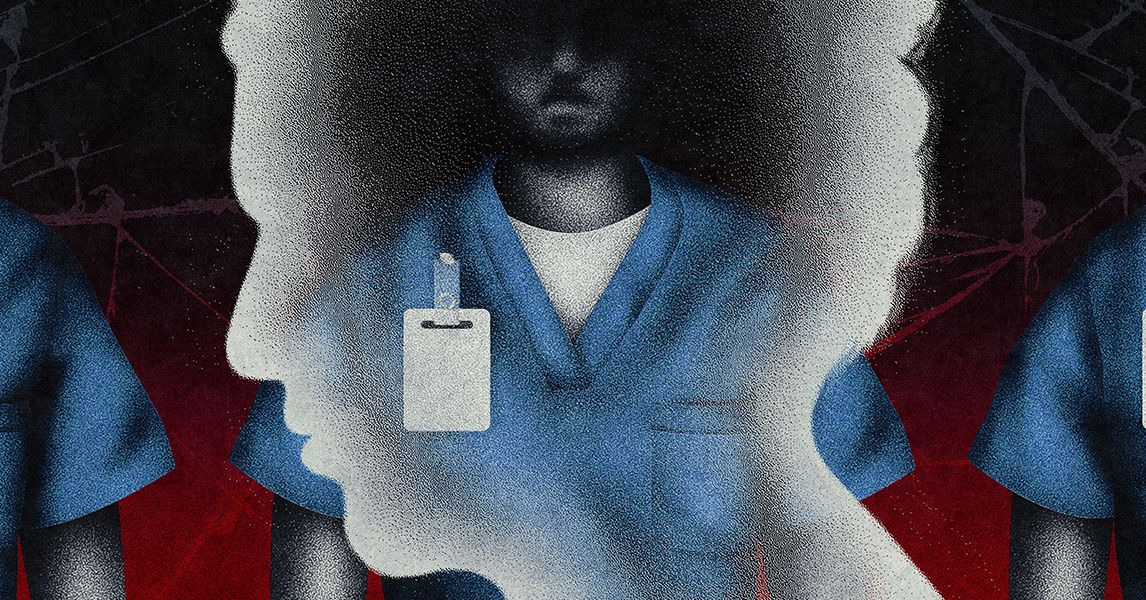
Inspection reports are the records regulators produce after examining how a facility actually operates, which makes them a useful test of any staffing model. According to the investigation, the reports covering elder care facilities that use gig workers share a pattern: workers who receive little to no onboarding make dangerous mistakes. These are not complaints about attitude or effort. They are findings about what happens when someone is placed on a floor without the information needed to work it.
Onboarding in a nursing home is not a formality. A new worker needs to learn the layout of the building, which residents need extra attention, how the facility documents care, and what to do when something goes wrong. A full-time employee absorbs this over days or weeks. A gig worker filling a single shift may get none of it, and every question that goes unanswered becomes a guess made at a resident’s bedside.
The second finding is about the nurses who were already there. The investigation found that the gap does not vanish when a temporary worker walks in. Permanent staff end up covering it, answering questions, double-checking work and supervising someone they did not choose, all while carrying their own assignments. A shift meant to relieve a short-staffed floor can leave the regular nurses more overwhelmed than before.
A Delivery-App Model Meets a Medical Setting
Gig platforms are built around one job: fill the open shift quickly. Flexibility is the selling point for workers, who choose when and where to work, and for facilities, which can cover gaps without adding permanent headcount. The software is optimized for matching, and matching is a different task from preparing someone to care for a specific group of vulnerable people.
That mismatch is the core of the problem the inspection reports expose.
Continuity matters in elder care. Many residents live with complex conditions, and the small knowledge that accumulates around each person, such as what calms them, what worries a family, and what a change in behavior might signal, lives in the heads of the people who work there every day. A rotating cast of strangers cannot carry that knowledge, and without onboarding, nobody hands it over. The investigation’s findings suggest the cost is paid in errors, and the people who absorb the cost are those least able to report them.
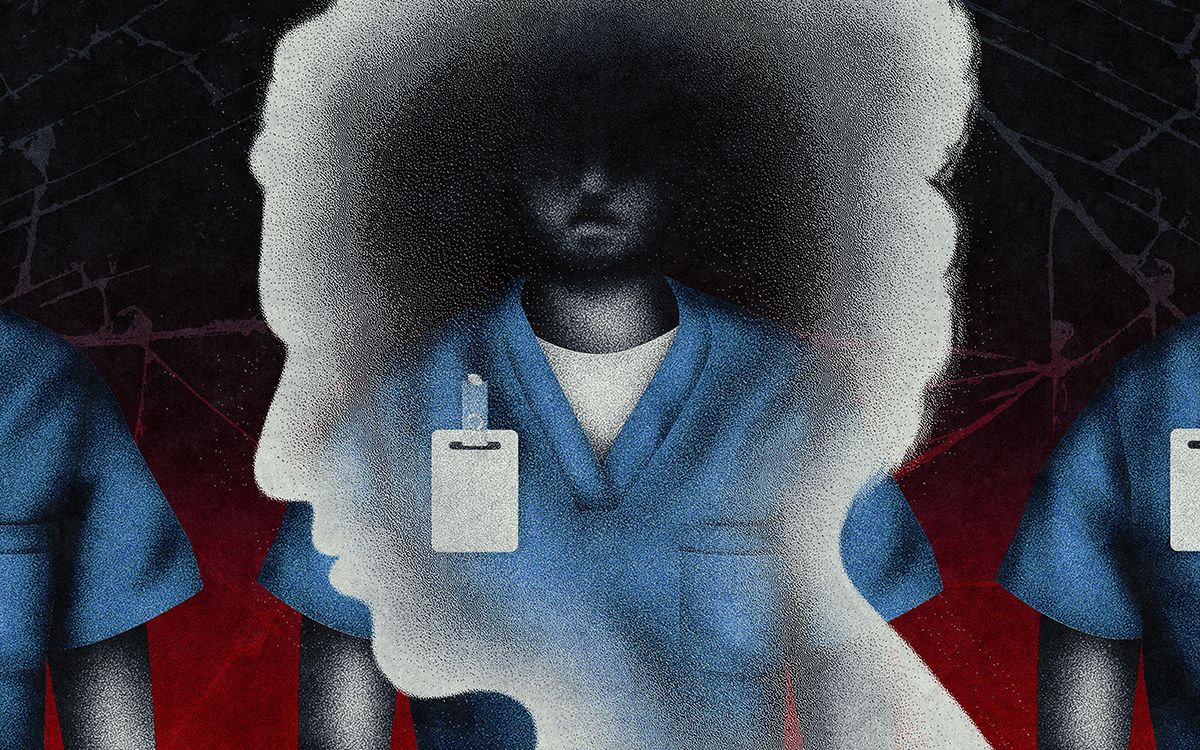
There is also a question of accountability that the inspection record only begins to answer. When a mistake happens on a shift worked by someone who arrived that morning and may never return, it is harder to trace, harder to correct and harder to teach from. A permanent employee can be retrained, and a gig worker who never comes back cannot. Facilities that lean on this model are betting that the savings in flexibility outweigh those losses, and the reports suggest that bet is not always paying off.
None of this makes gig work in healthcare inherently unworkable. The investigation’s finding is narrower and more practical: when onboarding is absent, the failures are visible in regulators’ own documents. A platform or a facility that wanted to close that gap would have to build orientation into the process before the shift starts, not treat it as an obstacle to filling it. That costs time, and speed is the main thing these systems sell.
The inspection reports already show what a shift without orientation looks like, so who is responsible for making sure the next one starts differently?