


A Feature Gone Before Most People Noticed It
Meta has shut down Muse Image, a capability built into its platforms that allowed users to generate AI images of any public Instagram account simply by @-mentioning it. The feature, which could produce synthetic likenesses of real people without their explicit consent, is no longer active.
The deactivation is quiet – no formal announcement, no press release, no detailed explanation from the company. Muse Image was there, and now it isn’t.
What Muse Image Actually Did
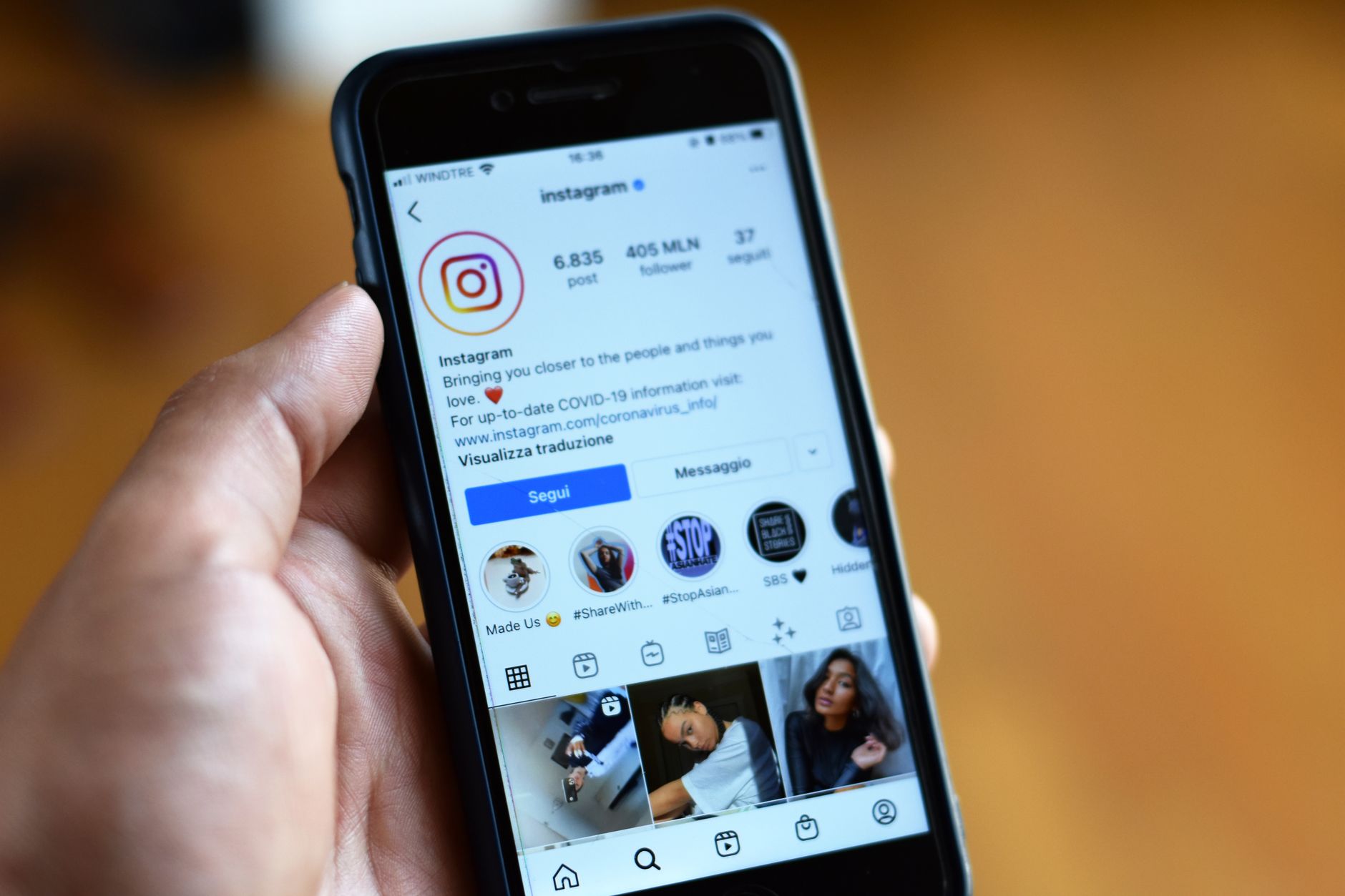
The core function was straightforward and, depending on your perspective, alarming: type an @-mention of any public Instagram account into a Muse Image prompt, and the tool would generate AI-produced images drawing on that person’s public presence. It didn’t matter whether you were tagging a celebrity, a journalist, a small business owner, or someone who simply hadn’t locked down their profile. If the account was public, it was fair game.
This is the part that made Muse Image categorically different from standard AI image generators. Most tools require a user to upload photos or describe a subject manually. Muse Image removed that friction entirely, letting the @-mention do the sourcing work. The pipeline from “public account” to “AI-generated likeness” had no meaningful gate between them.
That architecture made it a deepfake machine by another name. The images it produced weren’t verified reproductions – they were synthetic outputs shaped by whatever Meta’s model had learned from the referenced account’s public posts. But the intent, from a user standpoint, was clearly to generate images of specific real people. The line between “AI image inspired by” and “AI image of” collapses fast when the subject is identifiable.
Why This Matters Beyond the Obvious
Meta has spent considerable effort positioning itself as a responsible deployer of generative AI, including pushing internal AI projects and building tools meant to compete with OpenAI and Google. Muse Image cuts against that narrative directly – it’s hard to argue for responsible AI deployment when a product lets strangers fabricate images of you using only your Instagram handle.
The broader concern is about consent architecture. When a person makes their Instagram account public, they’re agreeing to be seen – not agreeing to be synthesized. Muse Image treated those two things as equivalent, and the fact that it was deployed at all raises questions about what review process, if any, flagged that distinction before launch.
The Gap Between Shipping and Rethinking
Meta’s decision to pull Muse Image follows a pattern that’s become familiar in AI product development: ship it, watch the reaction, walk it back. The feature didn’t survive long enough to generate a substantial public backlash or regulatory response – at least not publicly – but its removal suggests someone internally decided the exposure wasn’t worth it.
What’s unclear is what, specifically, triggered the deactivation. Was it legal pressure? Internal policy review? User complaints? A moderation team flagging abuse cases? Meta hasn’t said, and that silence is its own kind of answer – the company would rather the feature quietly disappear than explain the thinking that put it there in the first place.
The harm potential was concrete. A tool capable of generating AI images of any public Instagram user could be directed at private individuals who happen to have open accounts, at minors, at anyone without a legal team or public platform to push back. The asymmetry matters: the person creating the image faces no friction, while the person depicted has no notice, no recourse built into the product, and often no idea the image was ever made.
What Meta does next with Muse Image – whether it returns in modified form with consent guardrails, disappears permanently, or gets quietly absorbed into a different product with the same underlying capability – is the real question hanging over this. A feature doesn’t get built, deployed, and then deactivated without leaving behind the code, the model weights, and the product instinct that created it.