



Hospital pharmacies across the United States are quietly undergoing a technological revolution that most patients will never see. Behind the scenes, robotic systems are taking over one of healthcare’s most critical functions: medication preparation and dispensing. These machines, which can fill hundreds of prescriptions per hour with near-perfect accuracy, represent a fundamental shift in how hospitals manage their pharmaceutical operations.
The installation of these robotic pharmacists isn’t happening in isolation. Major medical centers from Johns Hopkins to Mayo Clinic have invested millions in automated dispensing systems that handle everything from basic pill counting to complex IV preparation.
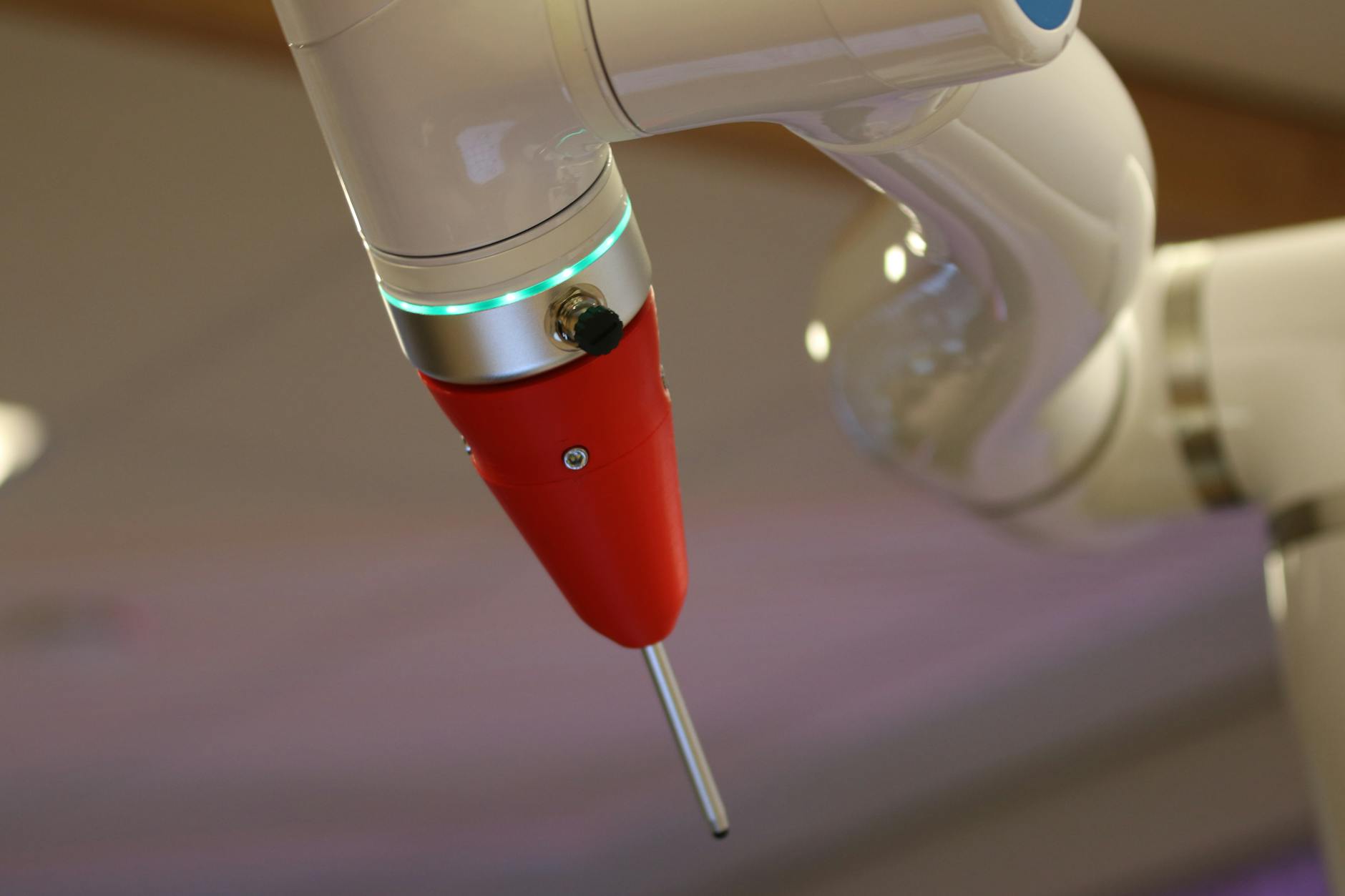
The Speed and Precision Factor
Traditional pharmacy operations in hospitals rely heavily on human pharmacists and technicians who manually count pills, prepare IV bags, and verify prescriptions. This process, while thorough, creates bottlenecks that can delay patient care and increase the risk of human error. Medication errors affect approximately 7 million patients annually in the United States, with many stemming from simple mistakes like incorrect dosages or wrong medications.
Robotic pharmacy systems eliminate most of these variables. The machines use barcode scanning, weight verification, and optical recognition to ensure each prescription contains exactly the right medication in the correct quantity. When a doctor orders a specific drug for a patient, the robot retrieves the medication from its inventory, counts or measures the precise amount, and packages it with the patient’s information clearly labeled.
The speed difference is dramatic. Where a human pharmacist might fill 50-100 prescriptions per hour, depending on complexity, automated systems can process 200-300 prescriptions in the same timeframe. This efficiency becomes crucial during emergencies or high-volume periods when every minute matters for patient outcomes.
Economic and Staffing Pressures Drive Adoption
Hospital administrators face mounting pressure to reduce operational costs while maintaining quality care. Pharmacy staffing represents a significant expense, with experienced pharmacists commanding salaries of $120,000 to $150,000 annually. The nationwide shortage of pharmacy professionals has made recruitment even more challenging and expensive for healthcare systems.
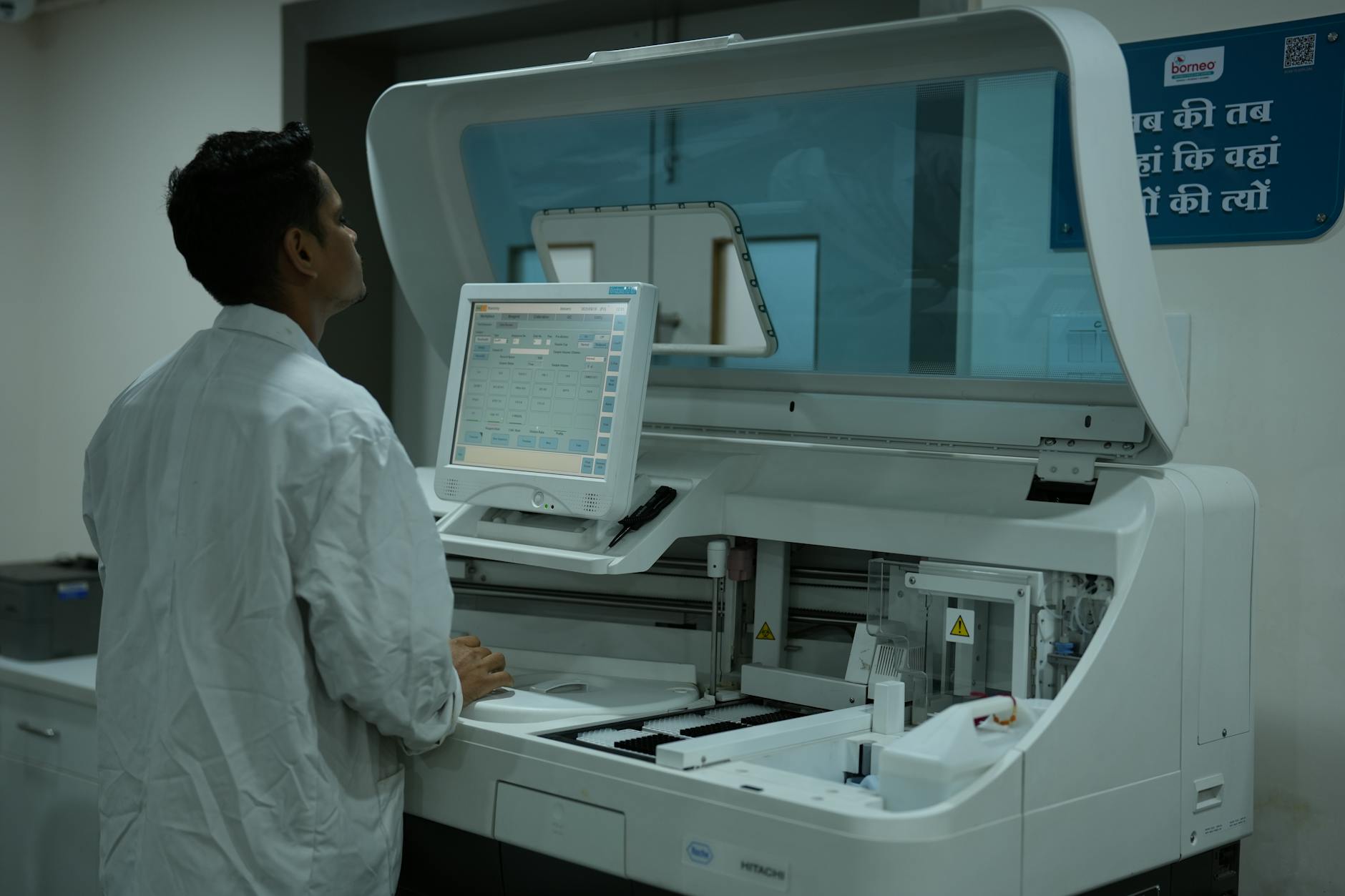
Robotic systems require substantial upfront investment – typically $500,000 to $2 million per installation – but the long-term economics are compelling. A single robot can operate 24 hours a day without breaks, overtime pay, or benefits. The reduction in medication errors also translates to lower liability costs and improved patient satisfaction scores, which directly impact hospital reimbursement rates under current healthcare payment models.
The technology also addresses workflow efficiency beyond just cost savings. Pharmacists freed from routine dispensing tasks can focus on clinical consultations, drug interaction reviews, and direct patient care. This shift toward more specialized pharmaceutical services aligns with healthcare trends emphasizing personalized medicine and complex treatment protocols.
Implementation Challenges and Patient Safety Concerns
Despite their precision, robotic pharmacy systems aren’t foolproof. The machines require regular maintenance, software updates, and careful inventory management to function properly. When robots malfunction, hospitals must have backup procedures in place, which often means reverting to manual processes that staff may not practice regularly.

Integration with existing hospital information systems presents another hurdle. Electronic health records, prescription databases, and insurance verification systems must communicate seamlessly with the robotic dispensing equipment. Any breakdown in this digital chain can halt operations and create dangerous delays in medication delivery.
The human element remains critical for oversight and exception handling. Complex medications, unusual dosages, or patient-specific preparations often require pharmacist intervention. Training staff to work alongside robotic systems while maintaining their clinical judgment skills requires ongoing education and quality assurance programs.
Regulatory compliance adds another layer of complexity, as hospitals must demonstrate that automated systems meet the same safety standards as traditional pharmacy operations. The FDA and state pharmacy boards continue to develop guidelines for robotic dispensing, creating uncertainty about future requirements and potential modifications needed for existing installations.
The question isn’t whether this technology works, but whether hospitals can afford not to adopt it as patient volumes increase and qualified pharmacy staff becomes harder to find.