


The E-Reader Market Has an Accessories Problem
Kindle hardware has matured to the point where most buyers pick a model and stick with it for years. What changes year over year is the surrounding ecosystem – the cases, covers, page-turners, and small peripheral items that determine whether a Kindle fits into your daily routine or gets left on a nightstand. Wired’s 2026 guide to Kindle accessories maps out what’s actually worth spending money on, cutting through a cluttered product category where cheap knockoffs and overpriced brand-name items often share the same shelf space.
The guide covers a wide range of accessory types, from protective cases and covers to more niche additions like page-turners and decorative charms. Not every Kindle owner needs every category, but understanding what each type does – and what separates a good version from a bad one – saves money and frustration before the first click of “buy.”
Cases and Covers: The Foundation of Any Kindle Setup
Protection is the first reason most people buy a Kindle accessory at all. A device designed to be carried everywhere – into bags, onto planes, beside bathtubs – takes physical punishment that bare hardware wasn’t designed to absorb indefinitely. Cases address that exposure directly, but the range of options is wide enough that choosing poorly means carrying something that adds bulk without adding meaningful protection, or something that looks good in photos but degrades after a few months of real use.
The best Kindle cases in 2026 balance three competing priorities: slim profile, adequate corner and screen protection, and material durability. Fabric and vegan leather remain popular choices because they age better than hard plastic shells, which tend to crack at stress points near hinge mechanisms or button cutouts. Sleep-wake functionality – where the Kindle powers on and off automatically when the cover opens or closes – has become a baseline expectation rather than a premium feature, and any case without it is generally not worth considering at current price points.
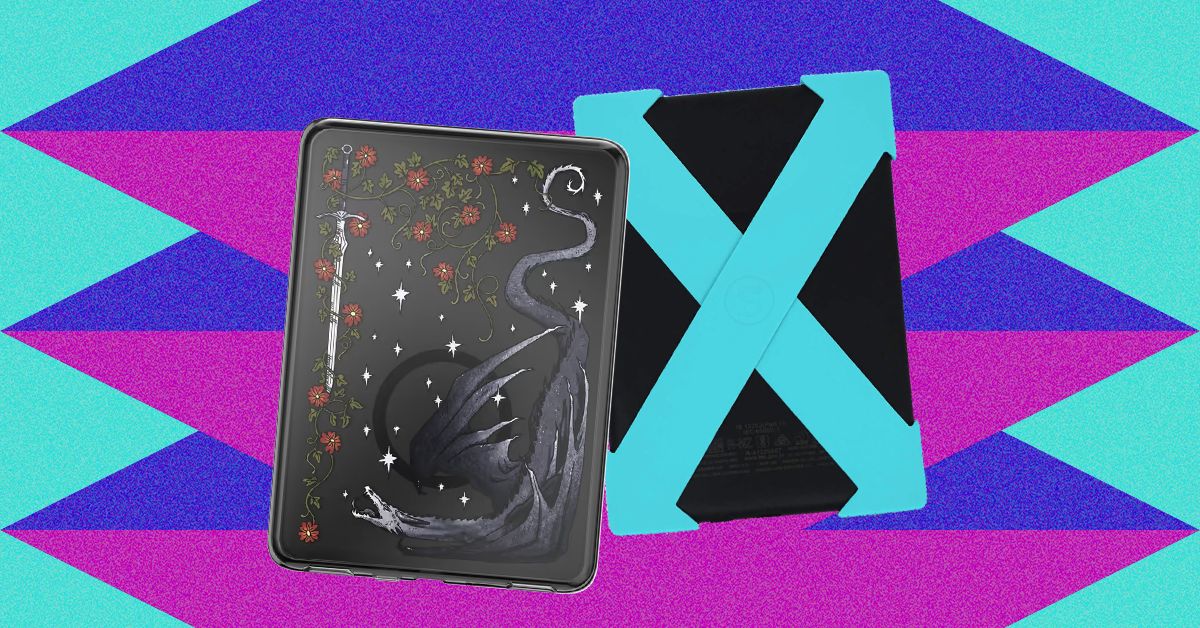
Covers serve a secondary function beyond protection: they allow Kindle owners to express some degree of personal preference in a product category where every unit looks identical out of the box. Color choices, texture options, and pattern variations have expanded significantly compared to earlier generations of e-reader accessories. That shift reflects growing consumer expectation that practical tech products don’t have to default to black rectangles – a change visible across the broader personal electronics accessories market, not just e-readers.
Page-Turners and Ergonomic Add-Ons
Bluetooth page-turners occupy a niche but growing segment of the Kindle accessories market. These small remote devices let readers advance pages without touching the Kindle itself – useful during exercise, while eating, or for readers with mobility limitations that make repetitive tapping uncomfortable over long sessions. The technology is simple: a Bluetooth connection pairs the remote to the Kindle, and a button press sends a page-forward or page-back command. The gap between budget and premium page-turners is mostly about build quality and battery life rather than core functionality.
Ergonomic grips and stands round out the practical accessory tier. Long reading sessions create wrist and hand fatigue that most Kindle users underestimate until they’ve spent a few hours holding a device in the same position. Attachable grips shift the weight distribution of the Kindle and reduce the muscular effort required to hold it steady. Stands serve a different use case – propping the device on a surface for hands-free reading – and range from simple plastic foldouts to more adjustable desktop configurations. Neither category is flashy, but both address real physical discomfort that accumulates over time.

Charms, Skins, and the Personalization Tier
At the lower-stakes end of the accessories spectrum sit charms and decorative skins – products designed to add personality rather than protection. Kindle charms are small ornamental attachments, typically affixed to a case or cover, that function as aesthetic markers the way phone charms did in the early 2000s mobile era. Their practical value is essentially zero, but they occupy a real market driven by readers who want their devices to feel personal rather than generic.
Vinyl skins offer a middle ground between pure decoration and light protection. Applied directly to the Kindle’s exterior, a skin won’t stop a drop from cracking a screen, but it will prevent surface scratches and scuffs that accumulate through normal daily handling. Skins come in a broader range of designs than Amazon’s official color options allow for, which makes them appealing to buyers who want a specific aesthetic that stock hardware doesn’t offer. Removal is generally clean when done properly, though leaving a skin on for extended periods in high-heat environments can complicate that.
The accessory market that surrounds Kindle has developed more quickly than many observers expected when Amazon first launched the device in 2007. What started as an afterthought – a few official cases and a handful of third-party covers – has expanded into a full product ecosystem with dozens of subcategories. That growth mirrors what happened with smartphones a decade earlier, where accessories eventually became a revenue category comparable in scale to the devices themselves for some manufacturers.
Amazon’s own accessory line has expanded alongside the third-party market, and the tension between official and unofficial options defines the current buying landscape. Official Amazon cases guarantee compatibility and often integrate more tightly with device features, but they carry a price premium that third-party alternatives frequently undercut by a significant margin. For buyers who prioritize fit and feature integration, official products make sense. For buyers who prioritize cost or aesthetic variety, the third-party market offers options that official channels simply don’t provide.

What 2026 Adds to the Conversation
The 2026 edition of accessory guides like Wired’s reflects a product category that has largely stabilized in terms of functional types but continues evolving in materials and design. Sustainable materials – recycled fabrics, plant-based leathers – appear more frequently in premium case offerings than they did even two years ago, driven partly by consumer demand and partly by brand positioning among accessory makers trying to differentiate in a crowded field.
Pricing pressure from budget manufacturers continues to compress margins at the entry level, which is good for buyers but has pushed some mid-tier accessory brands out of the market entirely. What remains tends to cluster at two poles: very cheap generic options and genuinely well-made premium products, with less in between than there used to be.
The question that shapes every accessory purchase is whether the item changes how you actually use the device or just how it looks sitting on a table. For cases and page-turners, the answer is often yes – the right case gets used daily, and a good page-turner can extend comfortable reading sessions by a meaningful amount. For charms and decorative skins, the calculus is different, and the honest answer is that they serve a different need entirely: not function, but ownership. There’s nothing wrong with that distinction, but it’s worth knowing which category you’re buying from before the order ships.
One detail that hasn’t changed since the early days of Kindle accessories: the cheapest cases still outsell everything else by volume, despite consistent reviews pointing to durability problems within the first six months of use.