


An Unlikely Power Source Enters the Server Room
Data center developers facing multi-year waits for grid connections and new turbine deliveries are reaching for a solution that would have seemed absurd a decade ago: decommissioned jet engines. The same hardware once pulled from retiring commercial aircraft and largely written off is now being repurposed to generate electricity on-site, filling a power gap that conventional infrastructure simply cannot close fast enough.
The shift is not driven by enthusiasm for the technology. It is driven by desperation. Building a hyperscale facility without a reliable power source is like assembling a car around an engine that won’t arrive for three years – and right now, that is the situation confronting a significant portion of the data center construction pipeline.

Why the Wait Has Become Unbearable
Grid interconnection queues in the United States and Europe have ballooned over the past several years, stretched thin by the simultaneous surge in EV infrastructure, industrial electrification, and – most recently – AI-driven data center construction. A project that might have secured grid access in 18 months five years ago can now sit in a queue for three to five years before a single megawatt flows. For developers racing to meet AI compute demand, that timeline is commercially fatal.
New turbines face their own backlog. Major manufacturers are running production lines at capacity, and lead times for large gas turbines have extended well beyond what most project schedules can absorb. The combination of a clogged grid and a constrained turbine market has created a vacuum – and jet engines, sitting in aircraft boneyards across the American Southwest and other storage facilities worldwide, are filling it.
Jet engines converted for power generation are not a new concept. The technology, sometimes called aeroderivative gas turbines, has existed in industrial settings for decades. What is new is the volume of interest and the specific context: data center builders, not oil refineries or military installations, are now among the primary buyers of this equipment. The engines are stripped from aircraft, modified for stationary use, and connected to generators capable of supplying tens of megawatts – enough to power a meaningful portion of a mid-size facility.
The Efficiency and Environmental Cost
The appeal ends at availability. Repurposed jet engines are less efficient than modern combined-cycle gas turbines, burning more fuel per unit of electricity produced. They are also less environmentally friendly – a category where the data center industry is already under sustained pressure from regulators, investors, and corporate sustainability teams. Running older aero-derivative hardware in place of grid electricity or cleaner alternatives pushes emissions figures in the wrong direction, at a moment when many operators are publicly committed to carbon reduction targets.
That tension is real and largely unresolved. The choice between delaying a facility by years or operating it on dirtier interim power is not a theoretical one – it is landing on the desks of project managers right now. Some operators appear to be betting that the reputational and regulatory cost of the emissions tradeoff is lower than the financial cost of sitting on idle infrastructure while grid paperwork moves at its own pace.

What This Reveals About the AI Infrastructure Race
The jet engine story is a symptom of a broader mismatch between how fast AI compute demand is growing and how slowly physical infrastructure can respond. Chip fabrication, cooling systems, fiber capacity, and power generation all have long lead times baked into their supply chains. AI investment cycles, by contrast, have been moving in months. The result is a construction boom that keeps running into the physical limits of the world it is being built inside.
Data center developers are not passive in the face of these constraints. Some are building their own substations. Others are acquiring existing industrial facilities – old steel mills, shuttered factories – specifically because they come with large existing power connections. The jet engine play fits into this same pattern: find power wherever it exists, in whatever form it takes, and sort out the long-term solution later.
The economics of the workaround matter here. Jet engines pulled from storage are cheaper than waiting for a new turbine order to clear a backlog, and far cheaper than the revenue loss from a delayed facility. If a data center that might generate hundreds of millions in annual contract value sits dark for two additional years because of a power queue, the fuel cost premium of running older hardware looks manageable by comparison. That math is driving decisions that would have seemed irrational in a slower market.
There is also a secondary market dynamic worth watching. Aircraft boneyards and engine storage facilities are now sitting on inventory that has gained commercial relevance it did not previously have. Engines that were worth more as parts donors or scrap metal are being re-evaluated as functional power assets. How deep that inventory runs – and how long it can supply a data center industry that shows no signs of slowing its build-out – is a question without a clean answer today.
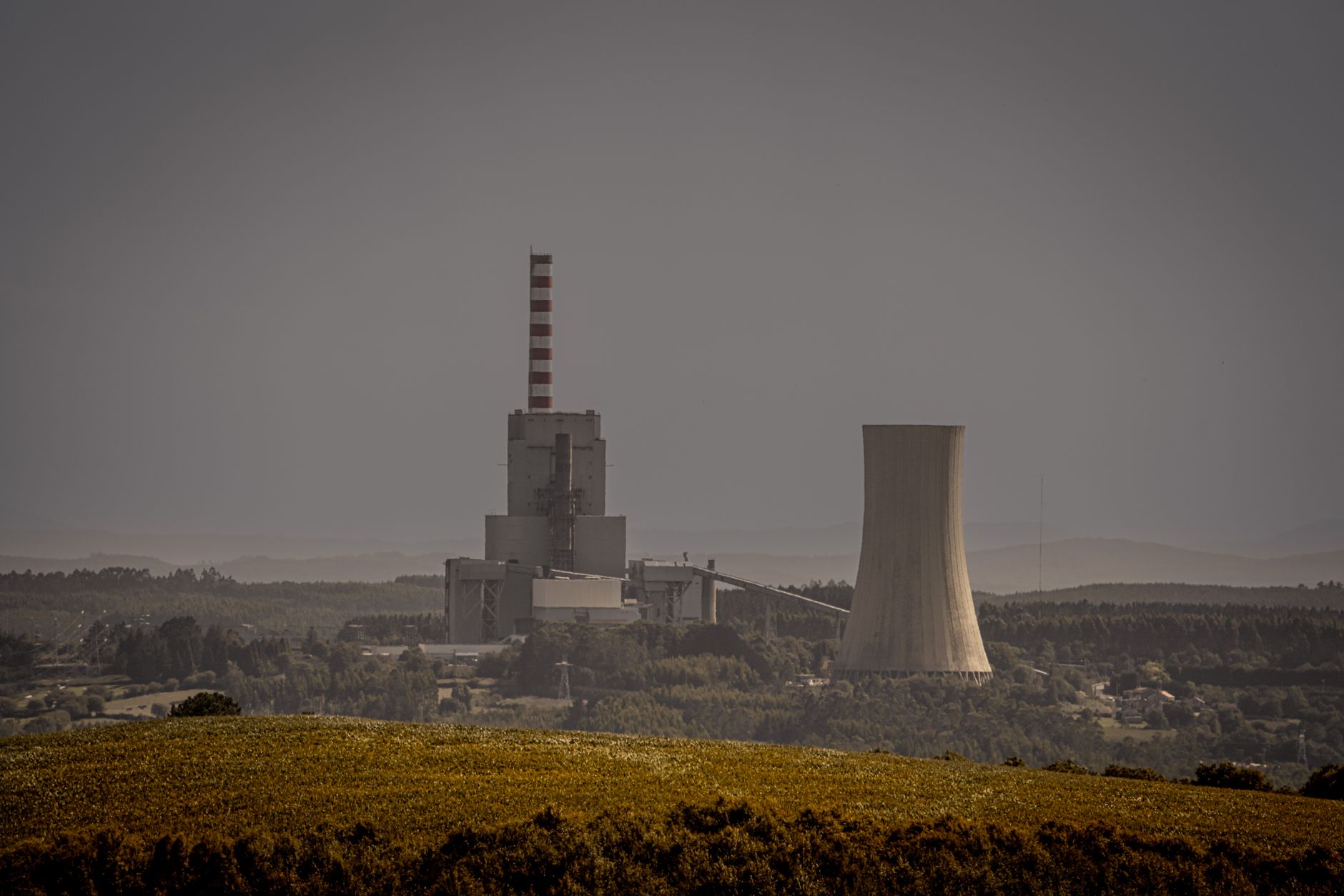
The hardware bottlenecks feeding AI infrastructure keep appearing in unexpected places, and an aircraft boneyard in the Arizona desert is now, improbably, part of the answer to where the next data center gets its power.
What remains unresolved is whether regulators monitoring data center emissions will treat this as a temporary construction-phase workaround or as evidence that the industry’s sustainability commitments have a lower priority than its build speed.