



A New Layer of Transparency, Whether People Want It or Not
Europe is on the verge of a sweeping change to how artificial intelligence announces itself – not through flashy product launches, but through mandatory disclosures buried in interfaces, content feeds, and customer interactions that hundreds of millions of people navigate every day.
What the Rules Actually Require
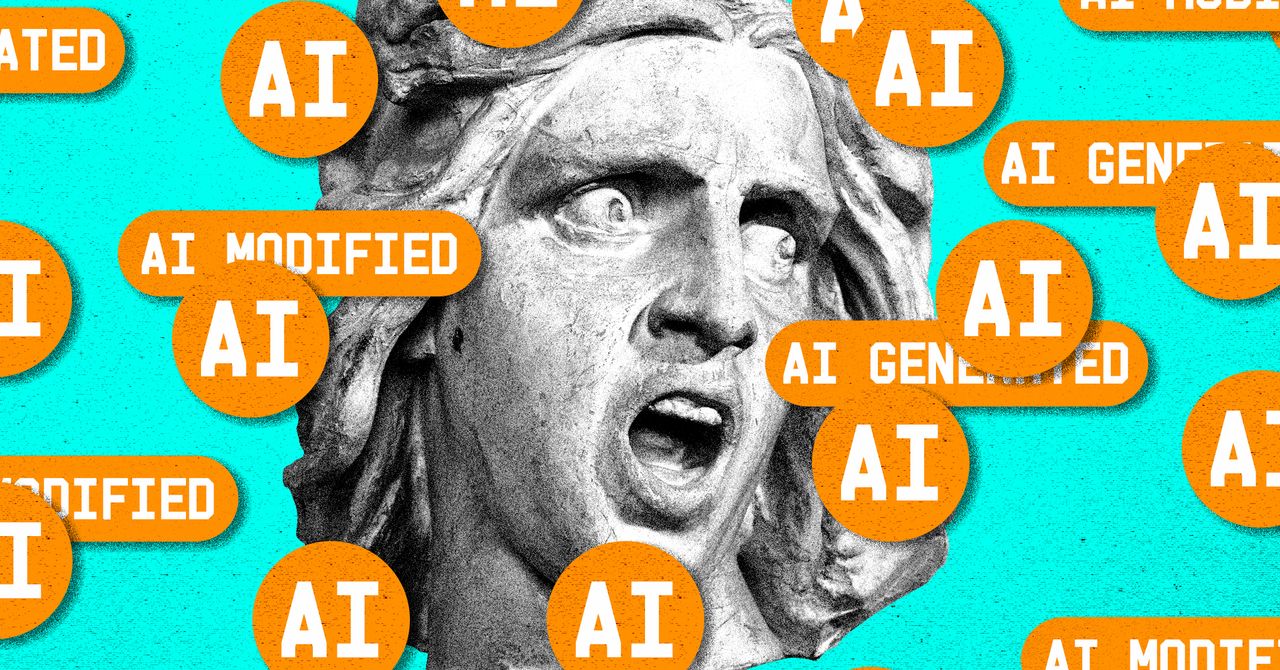
The new EU regulations are specific: people must be told when they are interacting with an AI system, and they must be informed when content they are viewing has been generated or edited by AI. This applies across a wide range of contexts – from chatbots handling customer service queries to images that have been touched up or created entirely by machine. The rules don’t carve out exceptions for minor edits or incidental AI use. If AI was meaningfully involved, disclosure follows.
That scope matters because AI has spread far wider than most casual users realize. The photo on a product listing may have been AI-enhanced. The chat window on a retail site almost certainly runs on some form of automated intelligence. The summary at the top of a search result, the email draft suggestion, the translated news article – each of these now falls into territory the EU wants flagged and labeled before users engage with it.
Enforcement falls under the EU AI Act, which has been building toward implementation for several years. The disclosure requirements represent one of the more visible consumer-facing elements of that legislation – the part ordinary people will actually encounter, as opposed to the risk-classification frameworks and compliance obligations that affect developers and businesses operating behind the scenes.
The intent behind the rules is straightforward: informed consent and awareness. If people don’t know they’re talking to a machine or looking at machine-made content, they can’t make meaningful choices about how much weight to give it, whether to push back, or whether to seek a human alternative. The EU’s position is that this awareness is a right, not a luxury.
The Problem With Telling People Everything, All the Time
The concern gaining traction among researchers, designers, and policy watchers isn’t that the disclosures are wrong – it’s that there may simply be too many of them. The phrase circulating in these conversations is “disclosure fatigue,” a condition that’s well-documented in other domains, most visibly in the history of cookie consent banners.

Cookie consent notices were themselves an EU-driven transparency measure, introduced to give users control over tracking. What happened in practice is that users learned to dismiss them as fast as possible. The notices became friction, not information. Researchers studying online behavior found that the banners rarely produced genuine informed decisions – they produced habitual clicking. The fear with AI disclosure is that history is about to repeat on a larger scale.
AI is more deeply embedded in daily digital life than cookies ever were. Cookies were a background mechanism; AI is often the interface itself. If every AI interaction requires a notice, and those interactions number in the dozens per day for an active internet user, the disclosures become wallpaper. People stop reading them. The psychological protection the regulation was designed to create dissolves into background noise, and users are technically informed but functionally no more aware than before.
There’s also the question of what “interacting with AI” even means at a granular level. A spell-checker that uses a language model – does that count? An autocomplete suggestion in a search bar? A photo that was sharpened using AI-based processing before upload? The regulation’s broad framing means businesses and developers face genuine uncertainty about where the disclosure line sits, and erring on the side of disclosure could mean labeling so many routine features that the warnings lose any signal value entirely.
Design is another pressure point. How a disclosure is presented changes everything about whether it registers. A small-print label at the bottom of a chat window is technically compliant but functionally invisible. A full-screen interstitial before every AI-assisted action would be compliant and noticed – but would also make products nearly unusable. Finding the middle ground that satisfies regulators without destroying user experience is going to absorb significant resources from companies operating across EU markets. Smaller companies without dedicated compliance teams face a steeper climb.
What makes this different from previous tech regulation is the sheer density of the AI surface area. When the EU regulated data protection under GDPR, the disclosure touchpoints were relatively defined – account sign-ups, data collection moments, targeted advertising. AI disclosure doesn’t have those natural chokepoints. It can theoretically attach to any moment in a digital experience where a model touched the output.
The Gap Between Awareness and Understanding
Even if disclosures land in front of users consistently and legibly, a separate problem waits on the other side: most people lack the context to know what an AI disclosure actually means for the content they’re looking at. Knowing that an image was “AI-edited” doesn’t convey whether that means a minor brightness adjustment or a wholesale fabrication of a scene that never happened. Knowing you’re “interacting with AI” doesn’t tell you how the system was trained, what its error rate is, or whether it has any accountability mechanism behind it.
Disclosure without comprehension is a thin form of protection. The EU’s rules create the infrastructure for awareness, but the harder work – building public literacy about what AI systems actually do and how they can fail – sits largely outside the scope of any labeling requirement. Europeans are about to see a lot more AI warnings in their daily lives. Whether those warnings produce meaningfully different behavior is a question the regulation itself cannot answer, and that the next few years of implementation will start to test.