


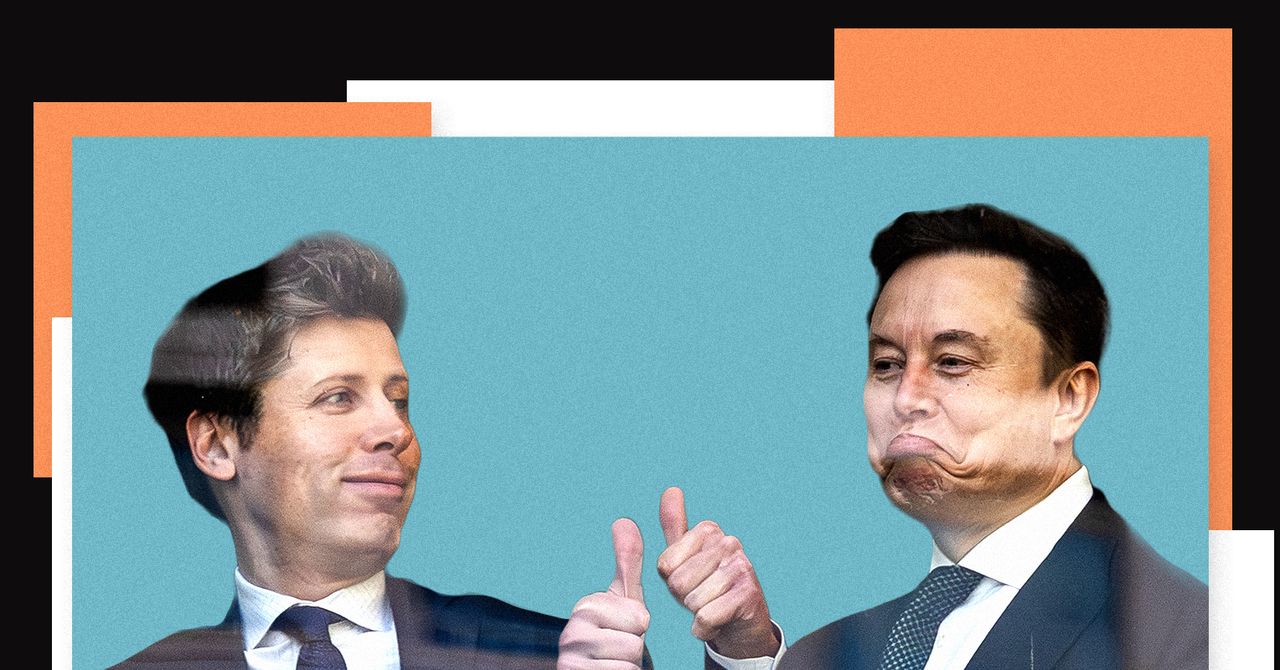
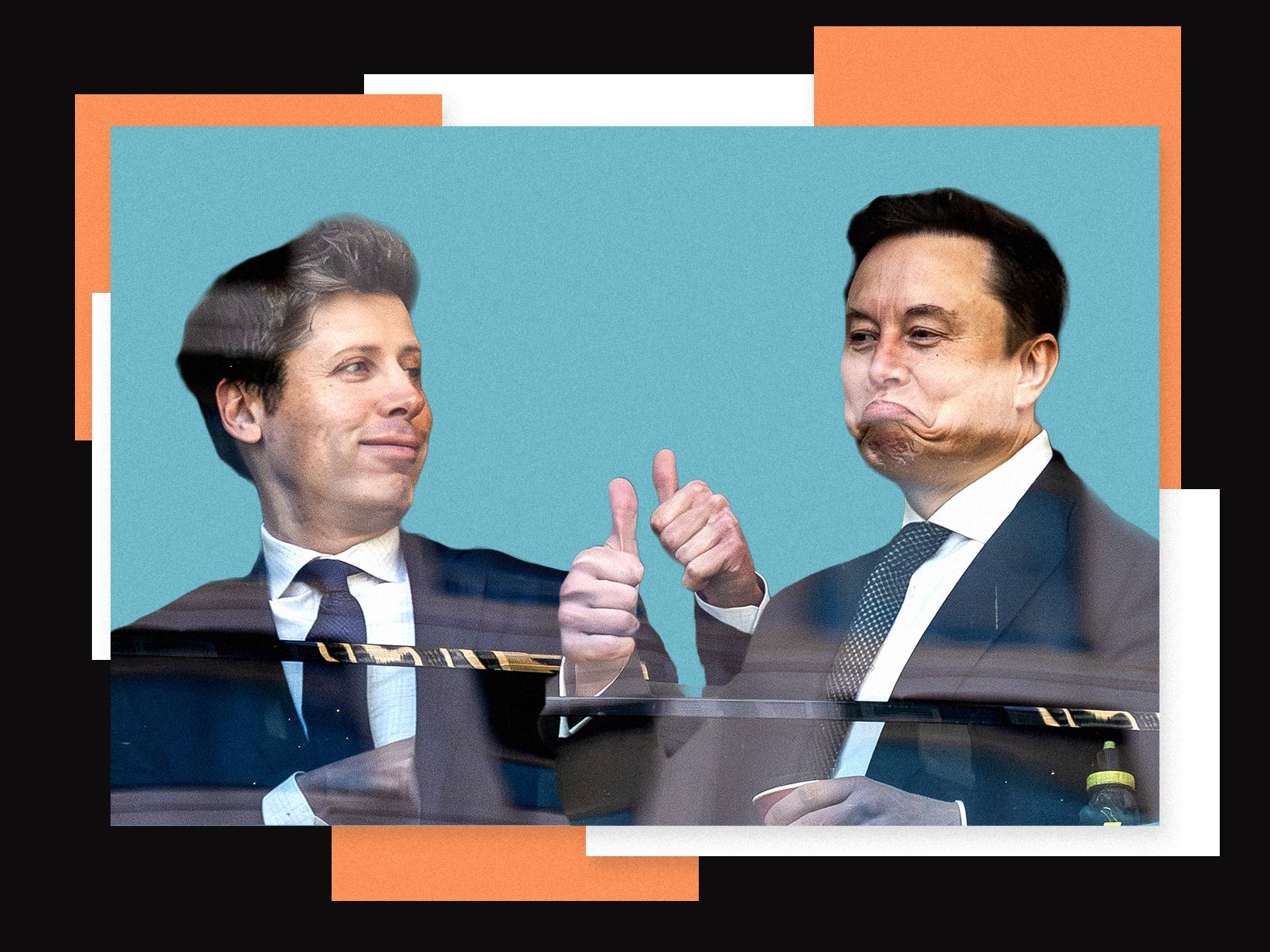
A federal jury delivered a decisive blow to Elon Musk’s legal challenge against OpenAI, rejecting his claims after deliberating for just two hours on Monday. The nine-member panel’s unanimous verdict brought an abrupt end to what many observers expected would be a prolonged courtroom battle between the Tesla CEO and the artificial intelligence company he helped establish.
The presiding judge immediately adopted the jury’s findings as her final ruling, cementing OpenAI’s victory in a case that had drawn significant attention from the tech industry. Legal experts noted the remarkably short deliberation time as a strong indicator that jurors found Musk’s arguments unconvincing.
The Foundation of Musk’s Claims
Musk’s lawsuit centered on allegations that OpenAI had deviated from its original mission as a nonprofit organization focused on developing artificial intelligence for the benefit of humanity. He argued that the company’s partnership with Microsoft and shift toward commercial products violated the founding principles he had supported with substantial financial contributions. The legal filing claimed that OpenAI’s current business model prioritized profit over the public good, directly contradicting commitments made to early investors and supporters.
The billionaire entrepreneur pointed to specific instances where he believed OpenAI had broken faith with its stated objectives. His legal team presented evidence of what they characterized as a fundamental transformation from an open-source research organization to a closed, commercially-driven enterprise.
OpenAI’s Defense Strategy
OpenAI’s legal representatives mounted a comprehensive defense that challenged both the factual basis of Musk’s claims and his standing to bring the lawsuit. They argued that the company had always reserved the right to evolve its business model as circumstances changed and technology advanced. The defense emphasized that OpenAI’s current structure still serves the public interest, even while generating revenue through commercial partnerships.
The company’s attorneys highlighted Musk’s own departure from OpenAI’s board in 2018, suggesting that his current grievances stemmed more from competitive concerns than genuine philosophical differences. They presented internal documents and communications that they claimed contradicted Musk’s version of events regarding the organization’s early commitments and operational decisions.
During testimony, OpenAI executives detailed how the company’s evolution reflected practical necessities rather than philosophical abandonment. They explained that the enormous computational costs associated with advanced AI research required sustainable funding mechanisms that traditional nonprofit models could not provide. The defense team argued that maintaining cutting-edge research capabilities ultimately served the public interest better than adhering to an outdated organizational structure.
Legal observers noted that OpenAI’s strategy effectively shifted focus from abstract principles to concrete operational realities. The company successfully demonstrated that its current approach generates measurable benefits for researchers, developers, and end users worldwide, regardless of its profit-making activities.
Industry Implications
The swift jury decision sends a clear signal about how courts view disputes over corporate mission statements and founding principles in the rapidly evolving AI sector. Legal experts suggest that the ruling establishes important precedent for how companies can adapt their business models without facing successful challenges from former associates or early supporters. This flexibility could prove essential as AI companies navigate the complex transition from research organizations to commercial enterprises.
The verdict also highlights the difficulties that high-profile individuals face when attempting to leverage past involvement in companies to influence current operations. Musk’s failure to prevail despite his significant early contributions to OpenAI demonstrates that departure from an organization typically severs legal claims to future direction or control.
Financial and Strategic Consequences
The lawsuit’s failure removes a significant legal cloud that had hung over OpenAI’s operations and future fundraising efforts. Investment analysts had closely watched the case, concerned that a successful challenge could disrupt the company’s partnerships or force costly organizational restructuring. The clear victory allows OpenAI to proceed with expansion plans and commercial initiatives without the uncertainty that prolonged litigation creates.
For Musk, the defeat represents more than just a legal setback. The case had been seen as part of his broader criticism of OpenAI’s direction and his positioning of competing AI ventures. The jury’s quick dismissal of his arguments may undermine his credibility in future disputes or policy discussions about AI development and regulation.

The two-hour deliberation suggests jurors found the evidence overwhelmingly favored OpenAI, raising questions about whether Musk’s legal team adequately prepared their case or if the underlying claims simply lacked merit. What happens next in the increasingly competitive battle for AI dominance remains to be seen, but OpenAI now operates with one fewer legal constraint on its ambitions.