



The Department of Homeland Security is preparing to deploy autonomous aircraft and ground vehicles along the US-Canada border this fall, marking the first bilateral experiment to stream real-time intelligence data over 5G networks. The initiative will test military-style reconnaissance capabilities in civilian border operations.
Officials describe the data transmission as “battlefield intelligence,” suggesting the technology mirrors systems used in combat zones. The experiment represents a significant expansion of automated surveillance along what has traditionally been considered America’s most peaceful international boundary.
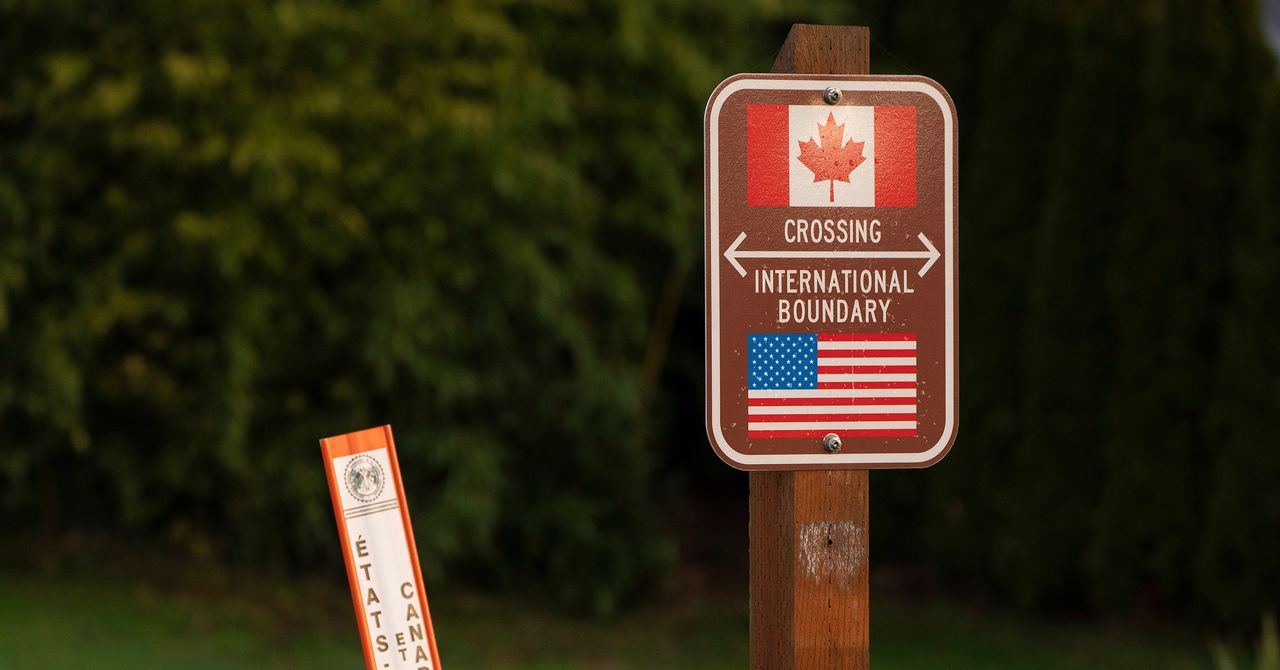
5G Networks Enable Real-Time Border Monitoring
The high-speed wireless infrastructure will allow instantaneous data sharing between American and Canadian border agencies. Traditional border surveillance relies on periodic reports and delayed analysis, but the new system promises continuous intelligence streams from multiple autonomous platforms simultaneously.
Ground-based robotic vehicles will complement aerial drones in gathering information across remote border regions. These unmanned systems can operate in harsh weather conditions and difficult terrain where human patrols face limitations. The combination of air and ground surveillance creates a comprehensive monitoring network that officials believe will detect unauthorized crossings more effectively than current methods.
Military Technology Adapts to Civilian Border Control
The terminology surrounding the project reflects its military origins. DHS documents reference “battlefield intelligence” capabilities, indicating the surveillance systems draw from combat-tested technologies developed for overseas operations. This adaptation of military reconnaissance tools for domestic border security continues a trend that began after the September 11 attacks.
Autonomous drones have proven their effectiveness in military theaters, where they provide continuous surveillance without risking human operators. The technology’s migration to border security applications was perhaps inevitable, given the vast distances and remote locations that characterize much of the US-Canada frontier. Border Patrol agents currently struggle to monitor the 5,525-mile boundary effectively using conventional methods.
The bilateral nature of the experiment suggests both countries recognize the need for enhanced border monitoring. Canadian authorities will participate in the testing, sharing intelligence data through the same 5G network infrastructure. This cooperation indicates that border security concerns extend beyond American interests alone.
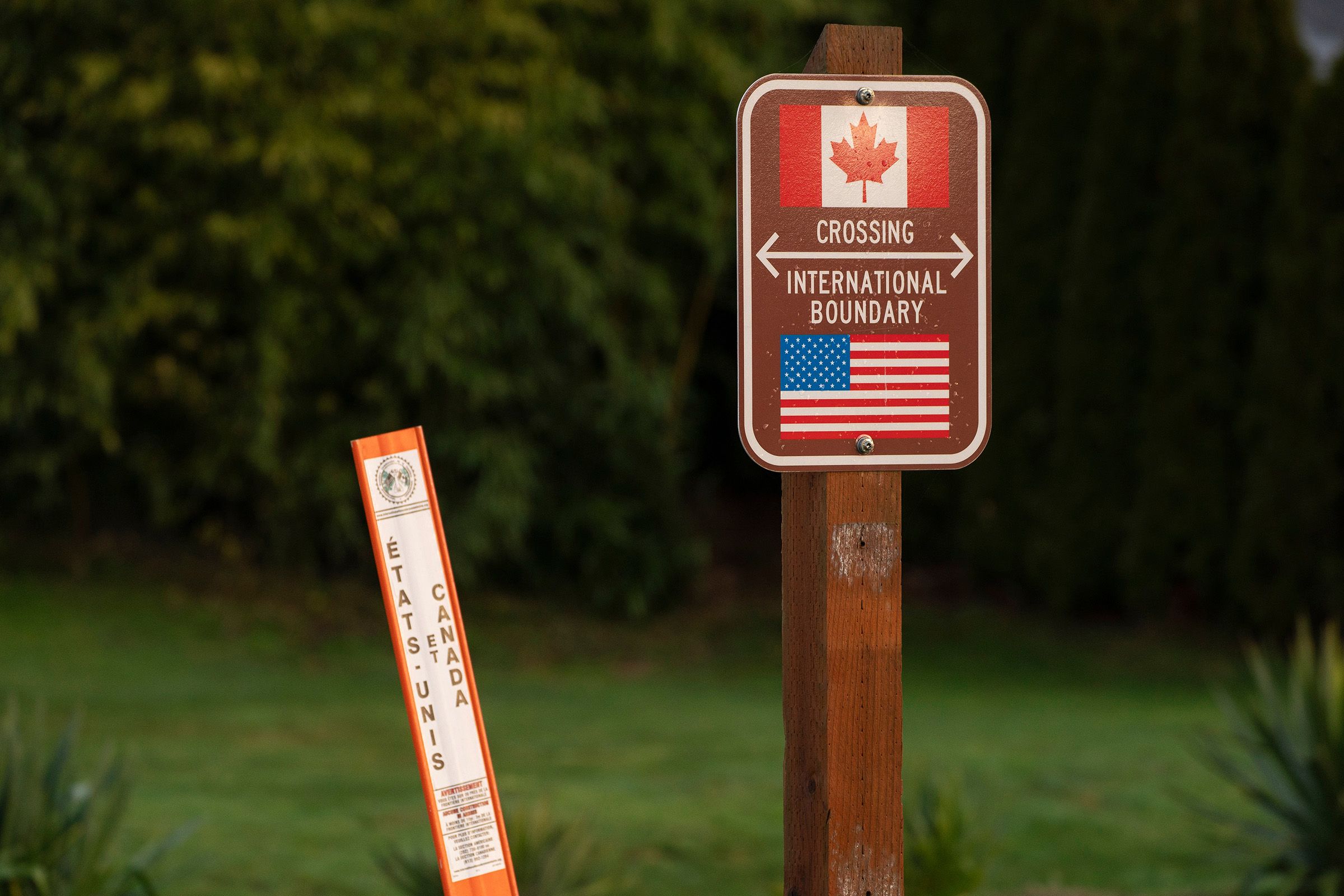
Technical specifications for the drones and ground vehicles remain classified, but the emphasis on autonomous operation suggests sophisticated artificial intelligence systems guide their movements. These platforms must navigate complex terrain, identify potential security threats, and transmit relevant data without human intervention. The challenge lies in programming systems that can distinguish between legitimate border crossers and potential security risks.
Privacy Concerns Emerge as Technology Advances
Civil liberties organizations have raised questions about surveillance capabilities along the northern border, where millions of Americans live within the drone monitoring zone. The technology’s ability to collect detailed information about individuals and vehicles in border regions creates potential privacy implications that extend far beyond immigration enforcement.
The 5G data transmission capability means that surveillance information can be shared instantaneously across multiple agencies and potentially with international partners. This real-time intelligence sharing raises questions about data storage, access controls, and the long-term retention of information collected about American citizens near the border.
Testing Phase Precedes Broader Deployment
The fall experiment will determine whether the technology can function effectively in real-world conditions along the northern border. Success metrics likely include detection accuracy, system reliability, and the quality of intelligence data transmitted over 5G networks. DHS officials will evaluate whether the autonomous platforms can operate independently for extended periods without technical failures.
Weather conditions along the US-Canada border present significant challenges for autonomous vehicles and aircraft. Winter temperatures, heavy snow, and limited daylight hours during certain months will test the durability and effectiveness of the surveillance systems. The experiment’s timing in fall positions it to encounter some of these challenging conditions before full winter sets in.
Budget considerations may ultimately determine the program’s future scope. Military-grade autonomous surveillance systems require substantial initial investment and ongoing maintenance costs. DHS must demonstrate that the technology provides security benefits that justify its expense compared to traditional border patrol methods. Will the intelligence gathered prove actionable enough to warrant the technological complexity and associated costs?