


The electric vehicle charging race has become the defining factor for mainstream EV adoption, and nowhere is this more evident than in the head-to-head battle between Tesla’s Model Y and Ford’s Mustang Mach-E. While both vehicles promise impressive range and performance, their charging capabilities tell dramatically different stories that could make or break your next road trip.
Tesla’s Supercharger network advantage has long been considered untouchable, but Ford’s strategic partnerships and aggressive charging infrastructure investments are reshaping the landscape. The Model Y continues to dominate sales charts, while the Mach-E has carved out its own loyal following among traditional American car buyers making their first electric transition.
Tesla Model Y Charging Performance
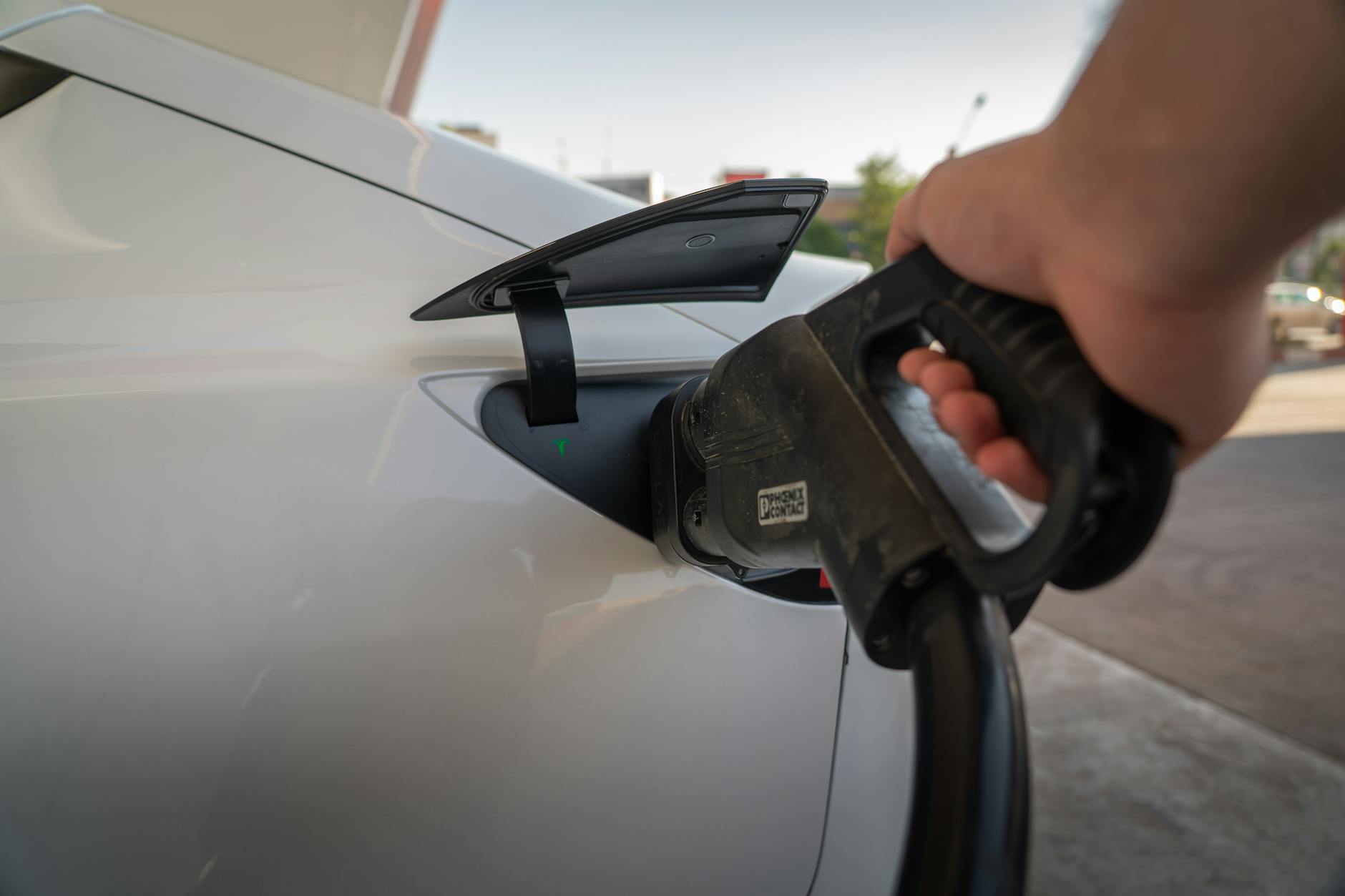
The Tesla Model Y delivers peak DC fast charging speeds up to 250 kW under optimal conditions, though real-world performance typically ranges between 150-200 kW depending on battery temperature, state of charge, and charger availability. Tesla’s thermal management system preheats the battery when navigating to a Supercharger, ensuring maximum charging efficiency upon arrival.
Model Y owners benefit from access to over 50,000 Supercharger stalls globally, with the network’s reliability consistently rating above 95% uptime. The vehicle’s charging curve is particularly impressive, maintaining higher speeds longer than many competitors. From 10% to 80% battery capacity, the Model Y typically requires 25-35 minutes at peak charging rates.
Tesla’s integrated charging experience eliminates the need for separate apps or payment methods. The vehicle automatically communicates with Superchargers, handles payment through the owner’s account, and provides real-time charging status updates directly to the car’s touchscreen. This seamless integration extends to trip planning, where the navigation system automatically routes through Supercharger locations and preconditions the battery for optimal charging speeds.
The Model Y’s home charging capabilities support up to 48 amps on a 240V outlet using Tesla’s Mobile Connector or Wall Connector, delivering approximately 44 miles of range per hour of charging. Tesla’s charging equipment consistently receives high marks for build quality and reliability.
Ford Mustang Mach-E Charging Capabilities
Ford’s Mustang Mach-E supports DC fast charging up to 150 kW, with the extended range variants typically achieving peak speeds around 115-130 kW in real-world conditions. While lower than Tesla’s maximum rates, the Mach-E maintains competitive charging times for most daily driving scenarios.
The Mach-E’s charging strategy focuses on network diversity rather than proprietary infrastructure. Ford partnered with Electrify America for preferred charging rates and integrated BlueOval Charge Network access, providing over 63,000 charging points across North America. This approach offers more charging location options but requires multiple apps and payment methods.
Ford’s FordPass app centralizes much of the charging experience, allowing owners to locate stations, check availability, and initiate charging sessions remotely. The Mach-E features intelligent charging curves that optimize battery longevity over maximum speed, resulting in slightly longer charging times but potentially better long-term battery health.
Home charging for the Mach-E supports up to 48 amps using Ford’s Connected Charge Station, delivering similar overnight charging capabilities to the Model Y. Ford includes a mobile charging cord with every vehicle, though the standard 120V charging is notably slow for daily use.
Recent software updates have improved the Mach-E’s charging performance, with Ford actively working to optimize charging curves and thermal management. The vehicle now better preconditions the battery when navigating to fast chargers, though this feature isn’t as refined as Tesla’s system.
Real-World Charging Speed Comparison
Independent testing reveals notable differences in charging performance between these vehicles. The Model Y consistently achieves faster charging speeds across various temperature conditions and state-of-charge levels. In cold weather testing, Tesla’s superior thermal management maintains charging speeds while the Mach-E experiences more significant reductions.
Peak charging speeds tell only part of the story. The Model Y’s charging curve remains more aggressive longer, maintaining speeds above 100 kW until approximately 60% state of charge. The Mach-E’s more conservative approach drops below 100 kW around 45-50% charge level, resulting in longer overall charging sessions.
Network reliability significantly impacts real-world charging experiences. Tesla Superchargers consistently deliver advertised speeds with minimal downtime, while third-party networks used by the Mach-E show greater variability in performance and reliability. However, Ford’s diverse network access means more charging options in many locations.
Road trip scenarios highlight these differences most clearly. A 500-mile journey typically requires one additional charging stop in the Mach-E compared to the Model Y, primarily due to the combination of slower charging speeds and more conservative charging curves. This translates to roughly 20-30 minutes additional charging time on long trips.
The charging cost equation varies significantly by region and network. Tesla Supercharging rates have increased substantially, while Electrify America and other networks often offer competitive or lower per-kWh pricing. Ford’s Electrify America partnership provides discounted rates for Mach-E owners, partially offsetting the longer charging times.
Future Charging Infrastructure Developments
The charging landscape continues evolving rapidly, with significant implications for both vehicles. Tesla recently opened Supercharger access to other manufacturers, though Ford owners currently need adapters and separate accounts. This development could level the playing field considerably once fully implemented.
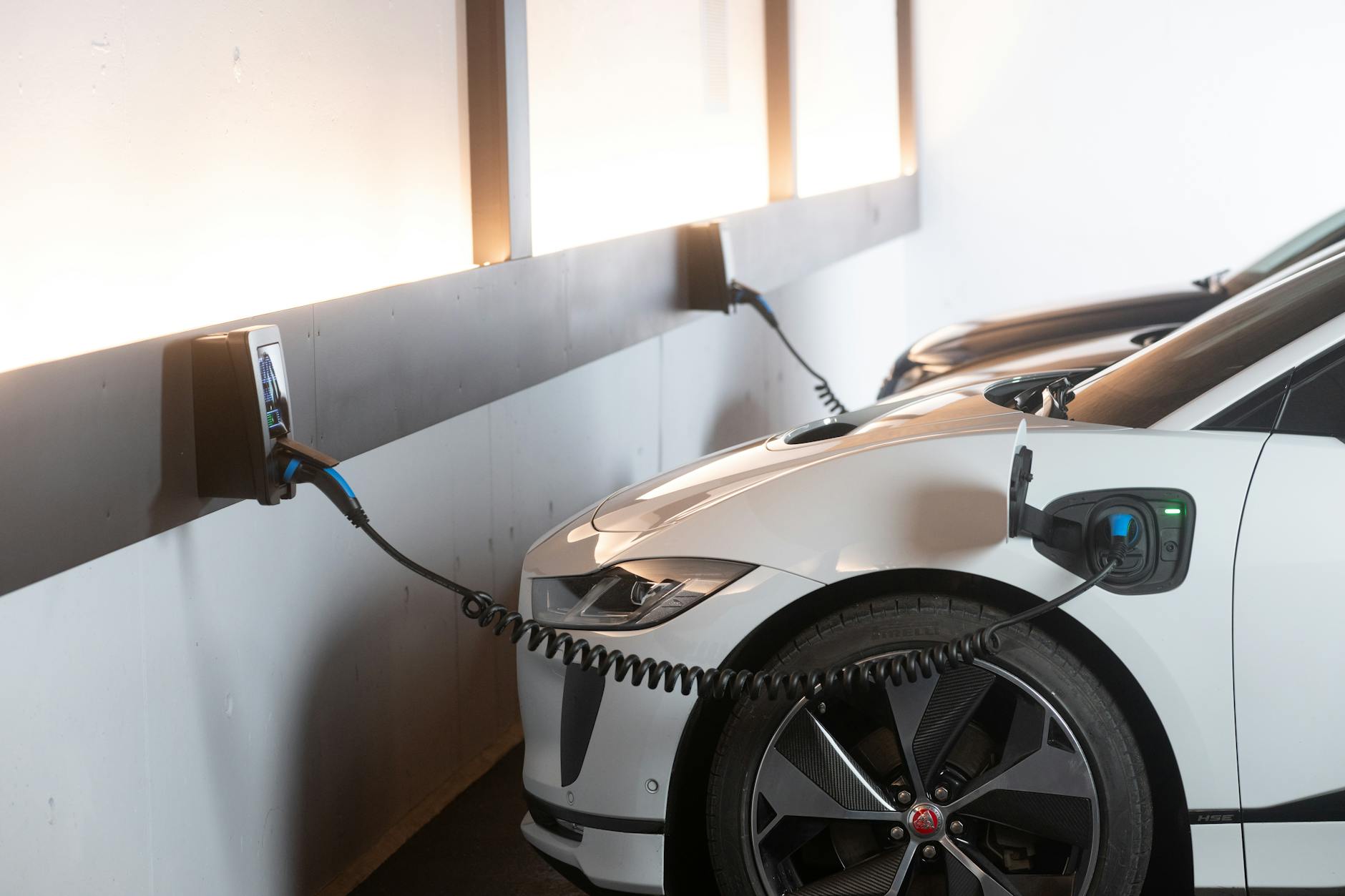
Ford announced plans to adopt Tesla’s North American Charging Standard (NACS) for future vehicles, potentially giving Mach-E successors direct Supercharger access. Current Mach-E owners will receive adapter access, though the timeline remains unclear.
Infrastructure expansion continues accelerating across all networks. Electrify America plans to double its charging locations by 2025, while Tesla maintains its aggressive Supercharger expansion globally. These developments should reduce charging anxiety for owners of both vehicles.
Similar to our recent comparison of high-performance consumer devices in our iPad Pro M4 vs Samsung Galaxy Tab S9 analysis, the charging speed battle demonstrates how infrastructure and ecosystem integration often matter more than raw specifications.
The Tesla Model Y currently maintains a clear charging speed advantage, but Ford’s strategic network partnerships and upcoming NACS adoption suggest the gap will narrow significantly. For immediate purchases, Tesla’s integrated charging experience offers undeniable convenience and speed benefits. However, Ford’s diverse network access and competitive pricing present compelling alternatives for buyers prioritizing charging flexibility over maximum speed.
Frequently Asked Questions
How fast does Tesla Model Y charge compared to Ford Mach-E?
Tesla Model Y charges up to 250 kW peak vs Mach-E’s 150 kW, with Model Y typically 20-30 minutes faster on road trips.
Which electric vehicle has better charging network access?
Tesla has more reliable Supercharger network, while Ford offers broader third-party network access through partnerships.