

A car seat with sensors and an app sounds like a good idea until the price tag shows up, and Wired’s latest review asks whether the extra tech earns it.
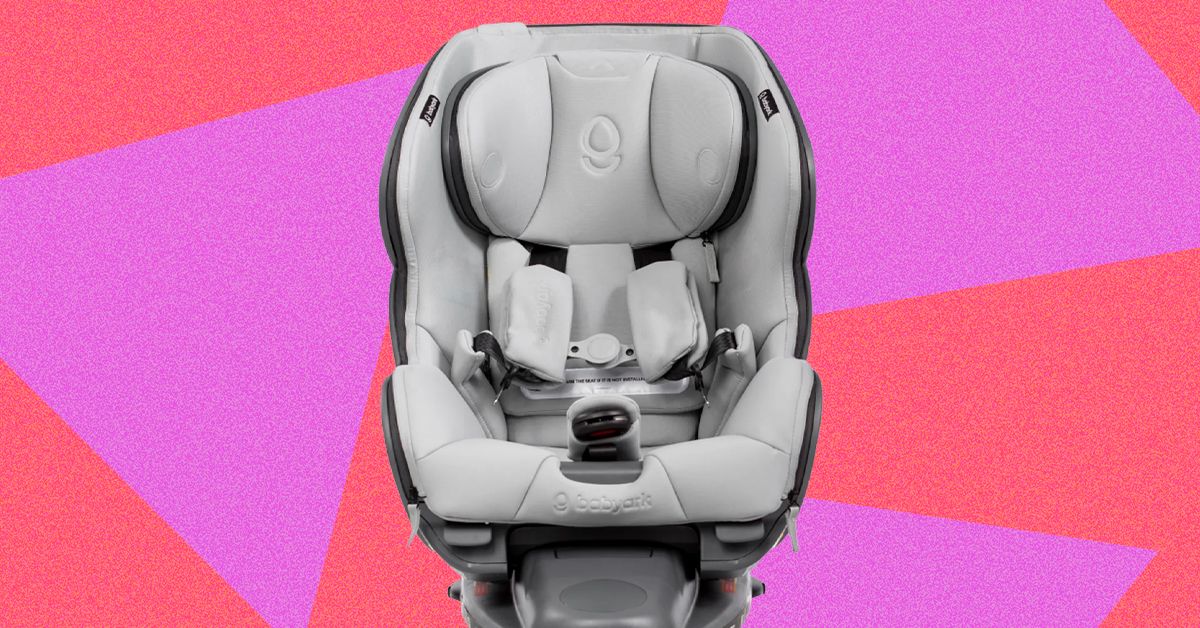
Two seats, two kids, one practical question
The reviewer tested the Babyark Classic and the Cybex Cloud G Pro with their two children, using both seats in ordinary family routines rather than in a lab. The review sets out what the added technology did in daily use and closes with the writer’s own list of priorities for anyone shopping for a seat. This piece doesn’t reproduce that full list. It looks at the question the review raises: where connected features fit in a purchase that is mostly about physical safety.
Car seats are an odd category for gadget thinking. Most consumer tech is optional, and if the app is bad you shrug and move on. A car seat is used every day, by someone who is often tired, rushed, or dealing with a child who doesn’t want to be there. The product has one job, and the “smart” layer sits on top of it.
That layer usually means electronics: sensors, alerts, and sometimes a phone connection that reports on what the seat is doing. Smart models generally carry a premium over basic ones, so the extra cost has to be weighed against what the electronics actually change.
Testing two seats with two kids gives the review something a spec sheet can’t. Children differ in size, patience, and how they respond to being strapped in. A feature that sounds useful in a product description can turn out to be irrelevant in a hallway at 7 a.m., or more useful than expected.
What sensors can do, and what they can’t
The strongest argument for smart features is that they address human error. Parents make mistakes, especially in the first months, and a seat that signals when something is off can catch a slip before the car moves. An unlatched buckle or a misrouted strap is easy to miss when you’re juggling a diaper bag and a crying infant. A sensor doesn’t get distracted, and for a new parent that is a real benefit.
The limits are just as real. A sensor can report on the things it was built to measure, and that list is short next to everything that can go wrong with a child restraint. It can’t tell you whether the harness is snug enough on this particular child, or whether the seat is installed tightly enough in this particular vehicle. Those judgments still rest with the adult, and an alert that says “all clear” can quietly encourage someone to stop checking.
Then there is the practical cost of adding electronics to something that lives in a car. Batteries need attention. Apps need updates and a phone that is nearby and working. Alerts can misfire, and a seat that chirps for no reason teaches people to ignore it, which is worse than having no alert at all. Every connected feature adds something that can fail, and a car seat is not a product where failure is a minor annoyance.
The better question is whether a feature makes the correct behavior easier or just adds a second thing to monitor. A seat that makes proper installation more obvious earns its keep. One that sends notifications to a phone while the basic fit remains fiddly is spending its engineering budget in the wrong place.
That is the test any smart seat should face, and it explains why a review built around real family use matters more than a feature checklist. Features look identical on a product page, but they feel different after a few hundred buckle-ups. A seat you can adjust and secure quickly, even on a bad morning, protects better than one with a longer feature list that people get tired of using.
How to weigh the tech when you shop
Start with the unglamorous parts: whether the seat fits your child, whether it fits your car, and whether you can install it correctly without a struggle. Those factors decide how well the seat works on the road. Treat connected features as a tiebreaker between seats that already clear that bar, not as a reason to pick one that doesn’t. The review’s own buying priorities are worth reading in full on Wired.
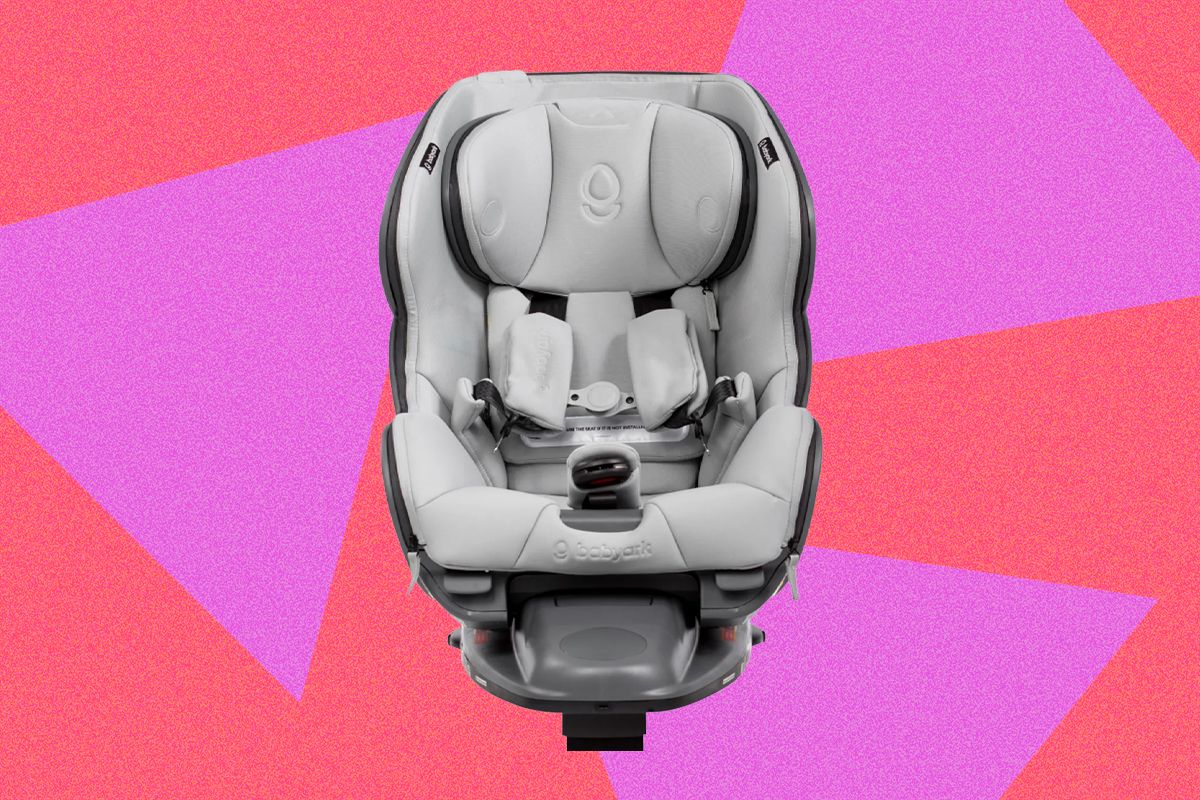
If you are comparing the Babyark Classic and the Cybex Cloud G Pro, or any other pair of seats, ask the same thing of each: which one will you use correctly on the days you are least prepared? A reminder on your phone is only worth paying for if it changes what happens at the car door. Would you rather trust an app alert at the end of a long day, or a seat that is simply hard to buckle wrong?