


A Sound Upgrade for Race Day
Apple TV is bringing Dolby Atmos audio to its Formula 1 coverage, with the US Grand Prix in Texas serving as the first race to carry the upgraded sound format.
What Dolby Atmos Actually Changes for Viewers
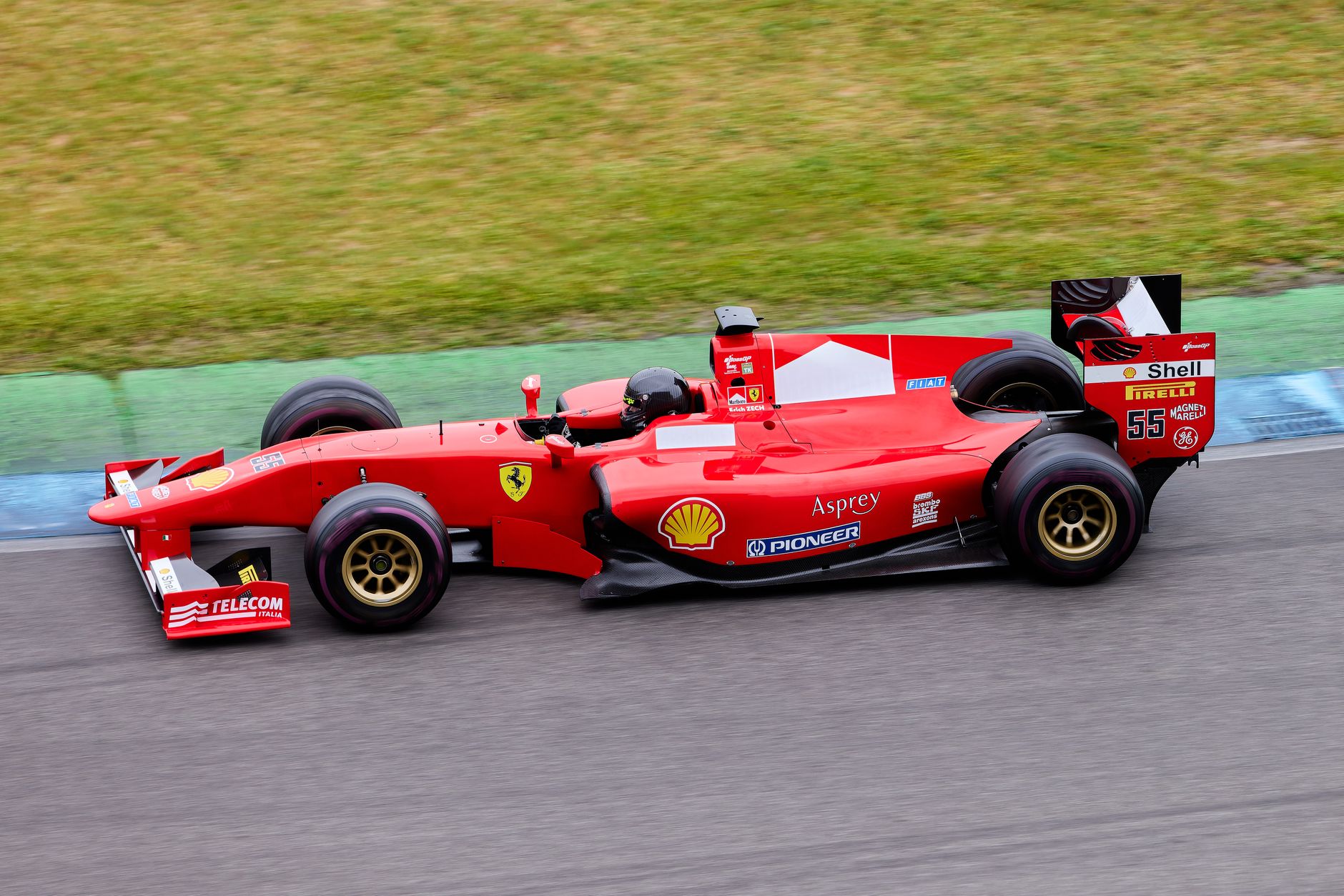
Dolby Atmos is a spatial audio format that places sound in three-dimensional space rather than routing it through fixed left-right stereo channels or standard surround configurations. For motorsport specifically, that distinction matters more than it might for a drama or a documentary. Engine notes, tire squeal, pit crew radio chatter, and crowd noise all occupy distinct physical space on a real circuit – and a format built to recreate that kind of layered, directional audio has more raw material to work with than almost any other live sport.
Apple TV has been building its F1 presence steadily, and audio has lagged behind its video investment until now. The platform already streams races in 4K, so adding Atmos brings the audio side closer to parity with the picture quality viewers have come to expect. Whether your setup can take full advantage depends on your hardware – Dolby Atmos delivers its most dramatic results through a speaker array that includes height channels, though compatible soundbars and headphones also process the object-based audio in ways that standard stereo cannot.
The US Grand Prix at Circuit of the Americas in Texas is where the rollout begins. That race falls later this month, giving Apple a high-profile domestic event to anchor what is effectively a feature launch. COTA draws one of the largest American F1 crowds on the calendar, which adds a practical dimension: the ambient sound captured at that venue will be dense, and Atmos has more to work with when a grandstand is full.
Apple has not announced which subsequent races will carry Atmos support beyond the US Grand Prix, or whether the format will apply to every remaining event on the calendar. That gap in the announcement leaves open questions about consistency – specifically, whether viewers tuning in from race to race will need to check each event individually to know what they’re getting.
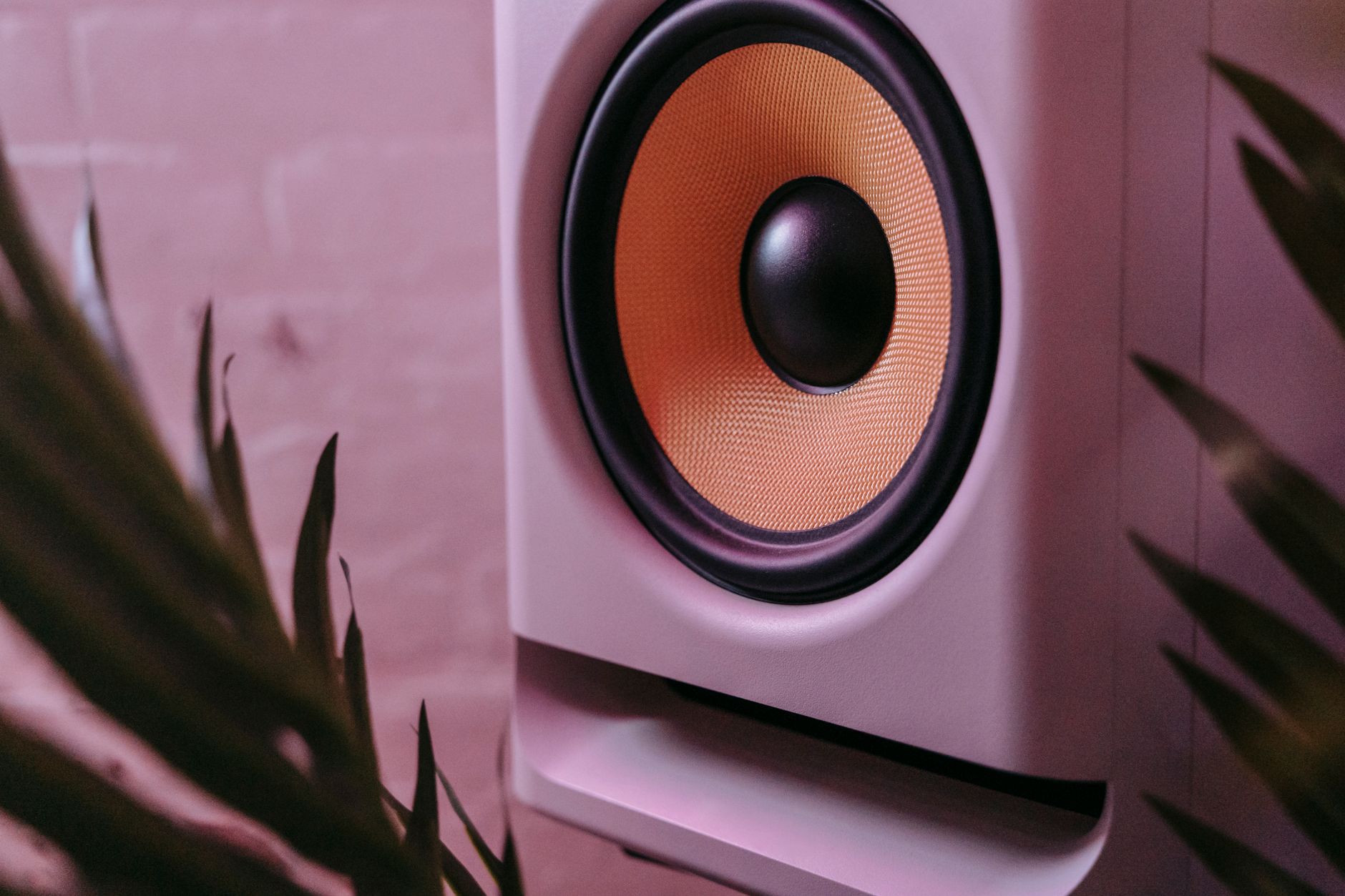
The Hardware Side of the Equation
Getting Dolby Atmos out of Apple TV requires more than the platform flipping a switch on the broadcast. On the viewer’s end, the signal chain has to support it at every point – the Apple TV hardware itself, the HDMI connection, the television or receiver, and the speakers or headphones. Apple TV 4K supports Dolby Atmos passthrough, meaning it can hand the encoded signal off to a compatible AV receiver or soundbar without decoding it internally, which is the preferred path for anyone with dedicated home theater equipment.
For viewers using AirPods Pro or AirPods Max, Apple’s own spatial audio processing kicks in to simulate the effect, which is a notably different experience from a proper speaker arrangement but still audibly wider than standard stereo. Apple has put considerable engineering into head-tracked spatial audio on its headphones, and live sports content – which is inherently dynamic and multi-directional – is a reasonable test case for that technology.
Apple TV on other devices, including iPhones, iPads, and smart TVs running the Apple TV app, may handle the Atmos signal differently depending on the hardware manufacturer’s implementation. The cleanest Atmos experience remains on the dedicated Apple TV 4K box connected to compatible playback hardware, which is a meaningful caveat for anyone assuming the upgrade applies uniformly across every screen they use.
There is also a content production dimension here that sits upstream of everything viewers control. Capturing and encoding a live broadcast in Dolby Atmos requires specialized microphone arrays, mixing infrastructure, and encoding pipelines that are separate from the standard broadcast feed. Apple or its broadcast partners have to build that production chain for each race, which may explain why the company has started with a single event rather than announcing full-season Atmos coverage immediately.
Formula 1 as a sport has leaned into premium audio presentation in other contexts – the official F1 app, for instance, offers multi-channel audio options including team radio feeds. Apple bringing Atmos to live race broadcasts adds another layer to that pattern, and positions its F1 streaming product as something more than a functional alternative to traditional broadcast.

Timing and What Comes Next
The US Grand Prix timing is pointed. Formula 1’s American audience has grown sharply over the past several years, and Apple TV’s domestic subscriber base makes the COTA race a logical place to debut a feature intended to raise the platform’s profile among sports viewers. A splashy audio upgrade at a race that American fans are already paying close attention to carries more visibility than a quieter rollout at a European round.
What remains unclear is whether Apple expands Atmos across its full F1 broadcast slate or treats it as a selective offering tied to specific markets or venues. The difference between “Atmos at select races” and “Atmos for every race” is large enough to affect how much weight viewers should assign to their equipment decisions – and right now, only one race has been confirmed.