


A Week Where the Biggest Names Took the Biggest Hits
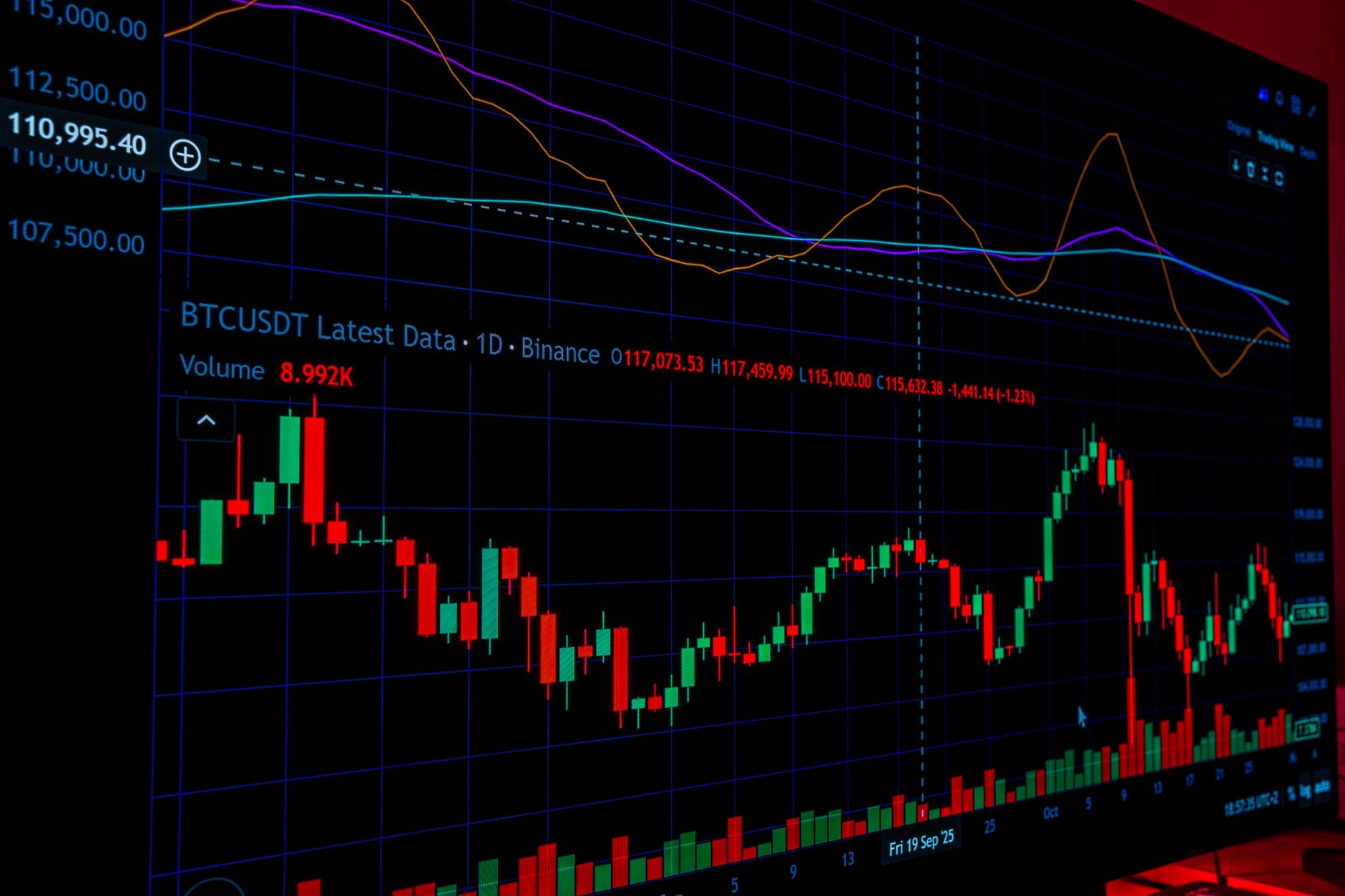
Two of the most significant financial shocks in recent tech history landed within days of each other. Alphabet shed $500 billion in market value after AI-driven competition began eating into its core search advertising revenue – a structural wound, not a market blip. At the same time, Binance confirmed the largest crypto hack ever recorded, with $6.3 billion in assets affected and all deposits and withdrawals suspended as the exchange scrambled to contain the fallout.
Neither event arrived without warning signs, but the scale of both still registered as a jolt. Amazon and Intel added further drag to an already falling tech sector, compounding what analysts are calling one of the sharpest single-week corrections among large-cap technology companies in recent memory. The common thread running through it all: the compounding risks of building trillion-dollar businesses on assumptions that are now actively being tested.
The Binance Breach and What $6.3 Billion Gone Actually Means
Analysts have pointed fingers at North Korea for the Binance breach – a familiar attribution in high-value crypto heists, though the exchange has not confirmed that conclusion publicly. What Binance did confirm is the scale: $6.3 billion in assets touched, an amount that eclipses every prior hack in the history of cryptocurrency exchanges. The stolen Bitcoin, according to Bloomberg, will almost certainly never be recovered.
That last detail matters more than it might seem. Unlike a bank fraud case where clawbacks, insurance, and regulatory intervention can restore at least partial losses, crypto theft above a certain threshold becomes effectively permanent. The blockchain records every transaction in immutable detail, which means investigators can watch stolen funds move in real time – and still be powerless to stop it. Binance’s suspension of deposits and withdrawals is a damage-containment measure, but it also underscores how vulnerable even the largest exchange infrastructure remains when a sophisticated state-level actor targets it directly.
The hack lands during an already edgy period for crypto markets, with the US midterms approaching and regulatory posture toward digital assets still unsettled. A Democratic Congress could shift the legislative environment for American science funding broadly – Nature has noted those elections could curb Trump’s existing science cuts – but crypto’s regulatory fate hangs in a separate and more chaotic balance. For Binance, the immediate problem is not policy. It is trust, and the math on rebuilding that after a $6.3 billion breach is not straightforward.
A parallel financial crime story involving a pastor whose crypto scheme cost investors millions, covered separately by MIT Technology Review, illustrates that the threat landscape runs from sophisticated state actors all the way down to retail-level fraud. The industry’s vulnerability operates at every altitude simultaneously.

Alphabet’s Search Problem Is an AI Problem
Alphabet’s $500 billion market value loss traces directly to one pressure point: AI is redirecting the kind of search behavior that has funded Google’s dominance for two decades. When users get answers from large language models instead of clicking through ad-supported search results, the revenue model that built one of the most valuable companies in history starts to compress. That compression is now visible in the stock price.
The irony is that Alphabet has invested heavily in its own AI products – Gemini, its search generative experience, and various enterprise AI tools – but those investments haven’t yet replaced the ad revenue that traditional search generated at scale. Hyperscalers broadly are sitting on what MIT Technology Review has described as a trillion-dollar gamble: the bet that AI infrastructure spending will eventually yield returns large enough to justify the capital outlay. For Alphabet, that gamble is now being priced in real time by the market, and the verdict so far is a half-trillion-dollar markdown.
Nvidia, Spies, and the Geopolitics of Chip Access
Separately, Nvidia found itself at the center of an intelligence story that underscores how aggressively foreign actors are pursuing access to advanced semiconductor technology. An executive at a Singapore data center firm has been identified as a suspect in an alleged Chinese espionage operation targeting Nvidia CEO Jensen Huang. US intelligence believes the suspect worked to cultivate ties with Huang, and her company had already drawn scrutiny over alleged chip diversion – the practice of routing restricted chips to unauthorized end users.
Nvidia’s response was terse: the dealings were “normal.” That characterization may be technically accurate while simultaneously missing the point that US intelligence agencies are drawing. The chip access question – who gets Nvidia’s most powerful processors, through what channels, and under what oversight – has become one of the defining geopolitical fault lines in the AI era. Diversion schemes, whether or not any specific executive is ultimately found culpable, represent the market’s answer to export controls: find the gaps and route around them.
The Pentagon added another dimension to the week’s security concerns when it disclosed suspicions that freezers at military bases had been hacked, with the malfunctions spoiling food. Gizmodo connected those incidents to similar attacks on French supermarkets, suggesting a pattern of infrastructure targeting that extends well beyond traditional IT systems. Critical infrastructure – including the mundane kind, like refrigeration – is now part of the threat surface.

Forever Chemicals, Eating Disorders, and the Stories Running Underneath
While markets absorbed the week’s financial shocks, several slower-moving but equally consequential stories continued developing. PFAS – per- and polyfluoroalkyl substances, known colloquially as “forever chemicals” – remain embedded in soil and water systems globally after decades of use in nonstick cookware and firefighting foams. They are linked to fertility challenges, developmental delays, cancer, and reduced immune response. Technology for scrubbing PFAS from contaminated soil exists in early form, and pulling the chemicals out of water systems can limit further buildup, but the field remains in its infancy. How close the world actually is to a real remediation solution is still an open question – and one without a satisfying answer yet.
On the biotech side, GLP-1 weight-loss drugs – already among the most consequential pharmaceutical developments of the past decade – are drawing concern from clinicians who see them potentially worsening eating disorders. A new report found that global incidence of anorexia nervosa and bulimia nervosa rose 71% between 1990 and 2023. Clinicians are already observing GLP-1s exacerbating that trend in active patients. The drugs that reshaped conversations about obesity and metabolic health may be creating a separate clinical problem at exactly the moment eating disorder rates are climbing – and nobody has a clean answer for how to weigh those risks against each other.