


When Earbuds and Open Audio Both Fail
Falling asleep has never been simple for people who struggle with insomnia rooted in chronic overthinking. The mind needs occupation – something to latch onto while the body winds down – and audio has long been the go-to solution, whether that’s podcasts, YouTube compilations, or rain sounds looped through the night.
The problem is delivery. Earbuds press against the ear canal during side-sleeping, creating discomfort that compounds the very restlessness they’re meant to fix. Playing audio through a phone speaker works until there’s another person in the room, at a hotel, or anywhere that personal sound becomes a shared imposition. A thin speaker designed to sit beneath a pillow cuts directly through that impasse.
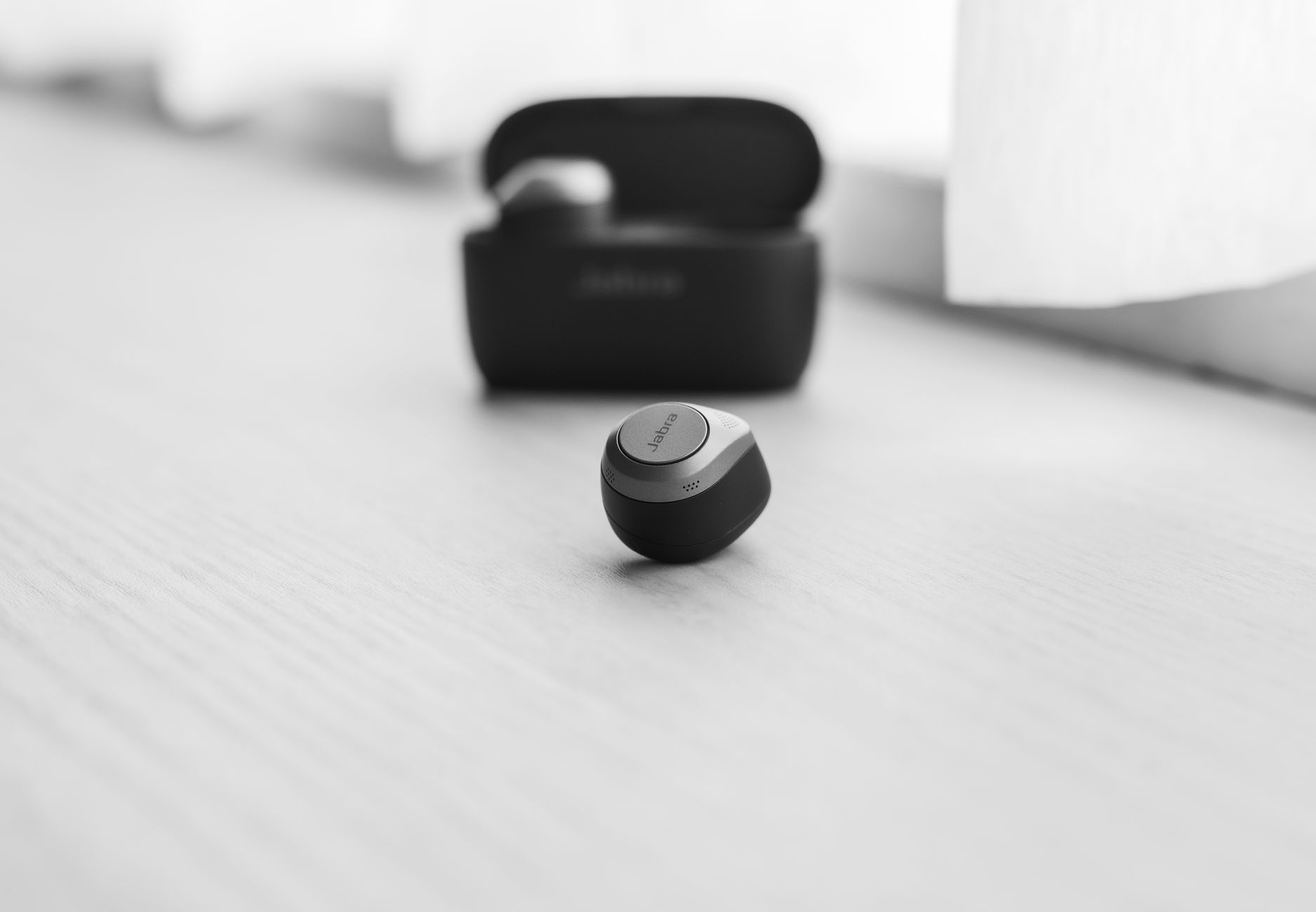
The Case Against Earbuds for Sleep
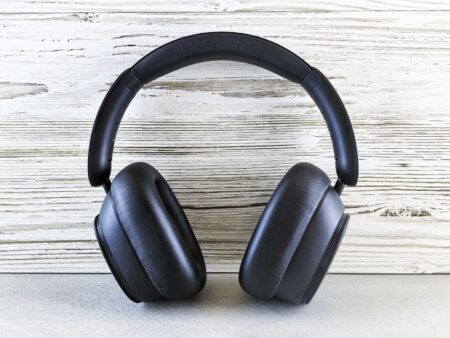
Earbuds built for daytime use – even the smallest, most low-profile models – weren’t designed around hours of lateral pressure between an ear and a mattress. Over-ear headphones are worse. Sleep-specific headphones exist, usually as padded headbands with flat drivers, but they shift during the night and can feel restrictive. For anyone who already has trouble staying asleep, that physical friction is not a minor inconvenience.
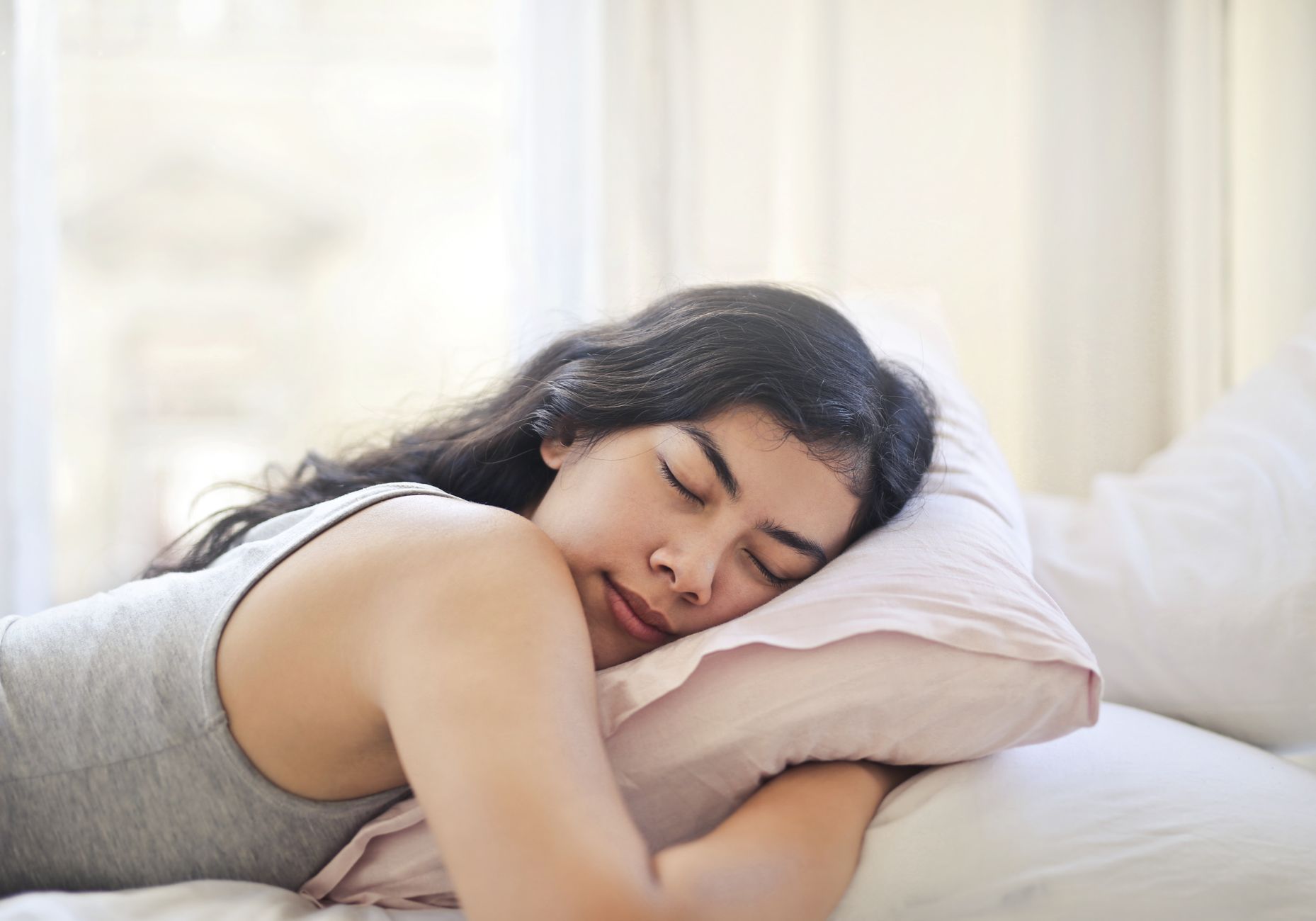
The other option, open audio, has its own ceiling. Rain sounds at a volume low enough not to disturb a partner or hotel neighbor are often too faint to actually mask the ambient thoughts that keep an insomniac awake. The audio needs to be present enough to hold attention, which puts it at direct odds with basic consideration for anyone else in the space. That tension is what an under-pillow speaker is specifically built to resolve – the audio travels through the pillow material directly to the sleeper’s ear, staying contained rather than projecting outward.
It’s a simple mechanical principle: proximity replaces volume. By positioning the driver inches from the ear rather than feet away, the speaker can run at low output while still delivering audio clearly enough to hold a wandering mind. The sleeper hears it. The person next to them largely doesn’t.
What the Product Actually Delivers
The speaker reviewed at TechCrunch – used by a writer who has dealt with insomnia since childhood – is thin enough to slide under a standard pillow without creating a noticeable lump or tilt. That physical profile matters more than any spec on a product page. A speaker that changes the feel of the pillow defeats its own purpose, because the point is to let the sleeper forget the hardware is there at all.
The use case is narrow but real: someone who falls asleep to audio, shares a sleeping space or travels frequently, and has given up on earbuds after too many nights of waking up with one lodged painfully against the side of their head. For that specific person, the under-pillow form factor removes friction from a nightly routine that already carries enough of it.
A Niche That Earbuds Never Actually Owned
The sleep audio market has seen wireless earbuds positioned as the obvious answer for years, largely because the same devices people use for commuting and exercise get repurposed for the bedroom. That repurposing comes with compromises that no firmware update can fix – the physical shape of an earbud is determined by daytime use cases, not by eight hours of pressure against a pillow.
Dedicated sleep audio hardware has existed on the margins for a while, mostly through headband-style products marketed directly to insomniacs and light sleepers. The under-pillow speaker takes a different approach by removing the hardware from the body entirely. There’s nothing to wear, nothing to adjust in the dark, and nothing to find tangled in the sheets in the morning. The pillow itself becomes the interface.
Personal favorites like rain sounds – the kind of sustained, non-narrative audio that gives the brain just enough texture to stop generating its own – translate particularly well to this format. Podcasts and long-form YouTube audio work too, since the under-pillow setup handles voice frequencies cleanly enough to follow speech without needing to raise volume. The audio stays personal without requiring anything be inserted into the ear.
Battery life, connectivity range, and whether the speaker survives a full night of being pressed under a weighted pillow are the practical questions that determine whether a product like this holds up past the first week. A speaker that sounds fine on the nightstand but distorts under pillow compression, or dies before a full night ends, reverts the user back to the same earbud tradeoff they were trying to escape.
The writer at TechCrunch found it worked. That’s a limited data set, but it’s the one that matters most to the person who can’t sleep.