


Devices You Own Are Being Recruited Into Power Infrastructure
Utilities across the United States have been quietly enrolling household gadgets – smart thermostats, EV chargers, home batteries, solar panels – into coordinated networks that function like distributed power plants. The programs already cover millions of homes, and the financial incentives for participation are real enough to warrant attention.
What a Virtual Power Plant Actually Does to Your Home
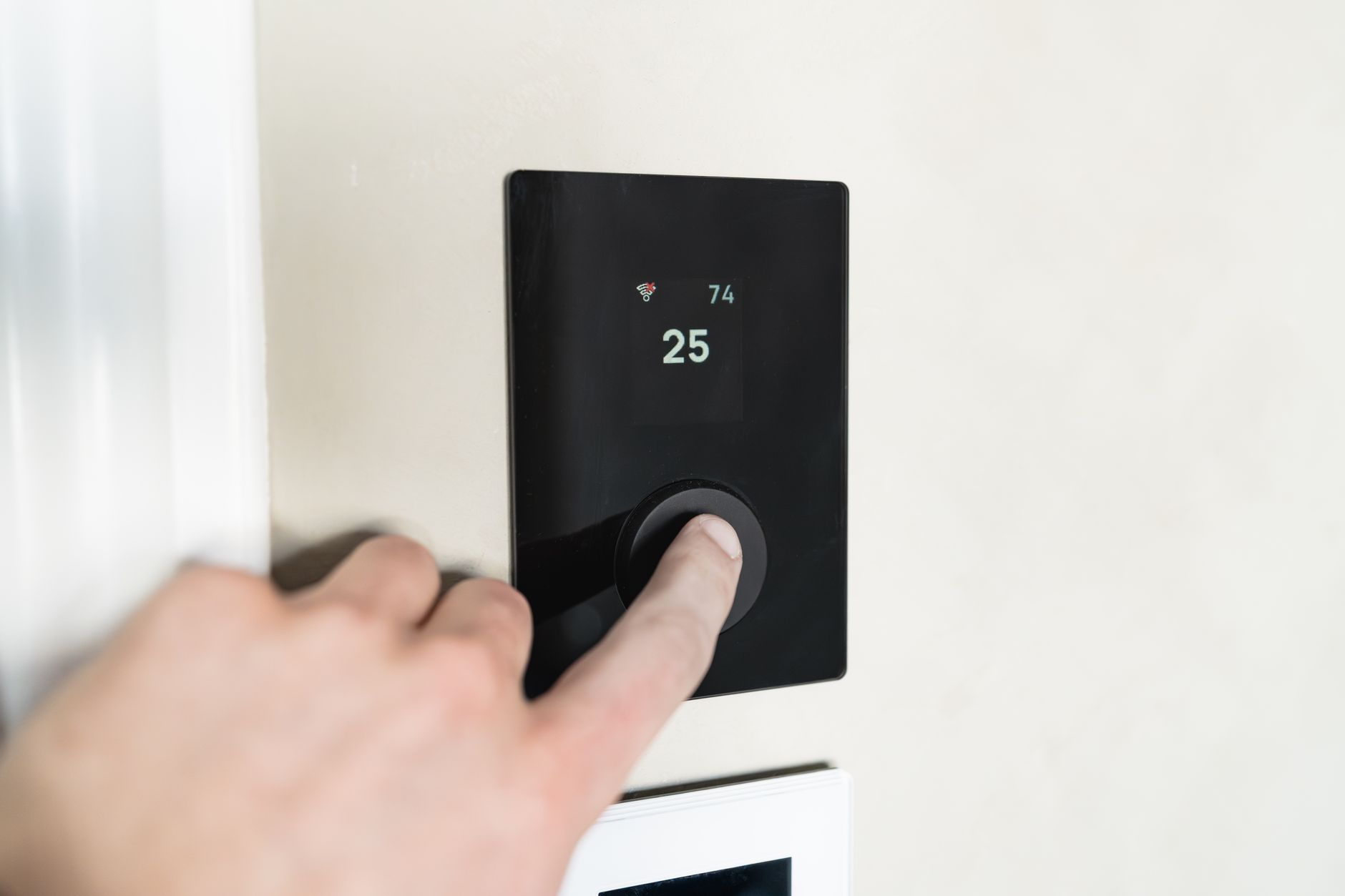
The term “virtual power plant” describes something more mundane than it sounds. A utility company gains limited remote control over enrolled devices, using that control to reduce electricity consumption during high-demand periods. In practice, that might mean your thermostat gets nudged a few degrees, or your EV charging slows down or pauses for an hour on a hot summer afternoon. The utility doesn’t take over your home – it shaves small amounts of load across thousands of households simultaneously.
Seth Frader-Thompson, CEO and cofounder of EnergyHub, a software company that builds VPP management platforms for utility companies, describes the math behind why utilities pursue this: “When you put it together at the scale of hundreds of thousands, or millions, it has a pretty profound impact,” he says, equivalent to “firing up a power plant.” The individual reduction per home is modest. The aggregate effect is not.
As of 2023, more than 500 VPP programs were operating in the US, and that count has grown since – partly driven by large technology companies, including Google, investing in VPP infrastructure to offset the electricity demands of their data centers. An estimated 4 million households with smart thermostats were enrolled in these programs as of last year. That’s a substantial installed base for a concept that still registers as obscure to most people who are technically participating in one.
The financial structure varies by device type. According to Frader-Thompson, smart thermostat programs typically offer an initial enrollment bonus of $50 to $150, plus $25 to $50 annually. Home batteries and EV chargers sit in a different category – those devices can yield hundreds or thousands of dollars in annual savings, depending on the program and local electricity rates. The asymmetry makes sense: a battery or EV charger represents far more flexible load than a thermostat.
The Risks Are Real, and Enrollment Is Less Obvious Than It Should Be
Severin Borenstein, faculty director of UC Berkeley’s Energy Institute at Haas and a member of the board of governors of the California Independent System Operator – the body that manages most of California’s electric grid – offers a measured assessment. When a program is implemented poorly, a utility may miscalculate when VPP participants were going to use electricity anyway, and end up paying people for reductions that were never going to happen. That outcome shifts costs to non-participants, effectively raising energy bills for households that chose not to enroll. The risk isn’t theoretical; it’s a known failure mode in demand-response program design.
That said, Borenstein’s view isn’t dismissive. “If we do it well, I think it can really be a benefit,” he says – one that could help utilities avoid expensive grid upgrades or emergency conservation measures during periods of peak stress. The distinction between a well-run VPP and a poorly-run one comes down to the accuracy of baseline consumption modeling, which requires data and analytical precision that not every utility has invested in equally.
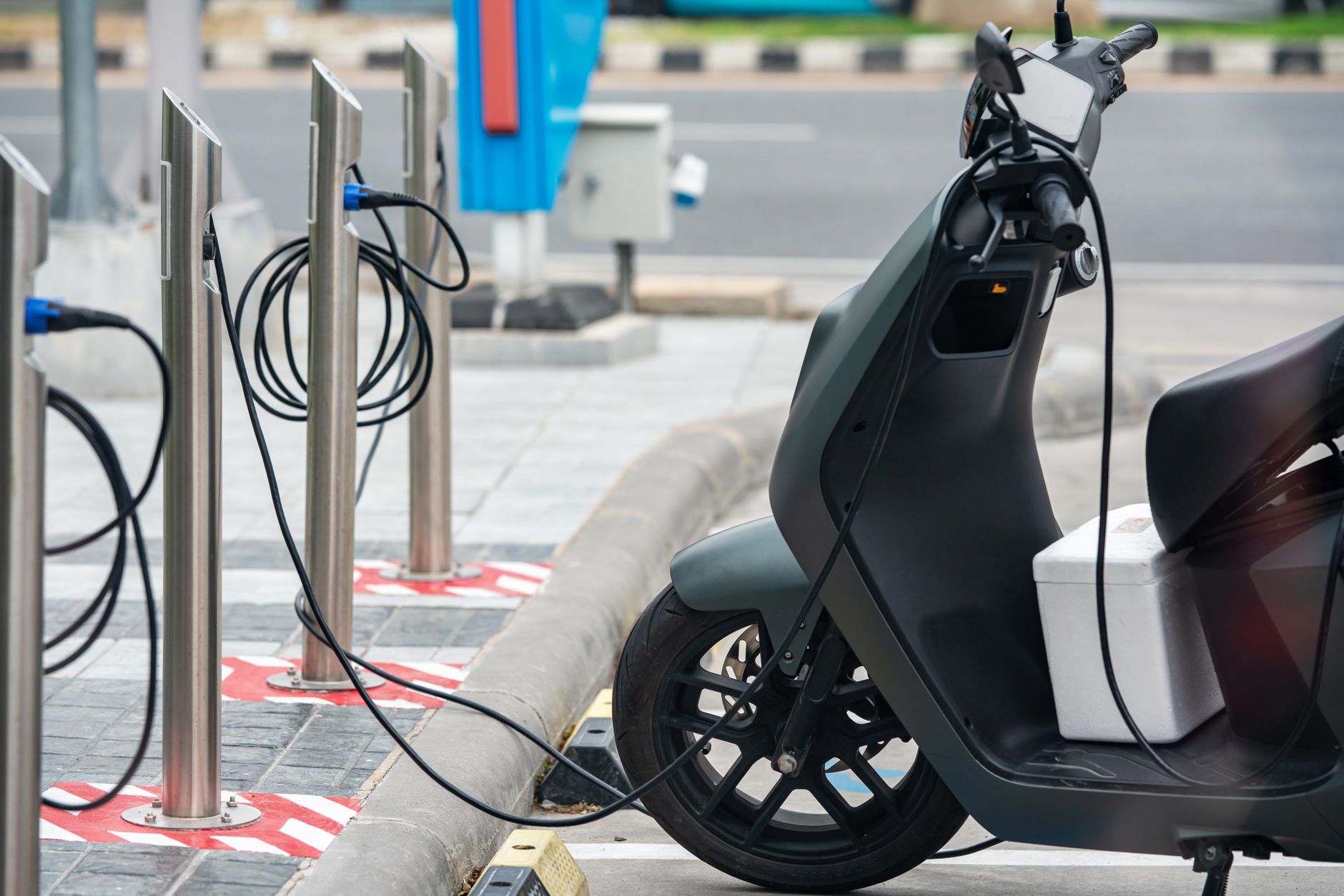
Most consumer-facing VPP programs today don’t involve sending electricity back to the grid from your battery or EV. They work in one direction: reducing draw. But battery-to-grid programs are expanding, and they represent a potentially larger value proposition for consumers who own home battery systems. A household that can discharge stored energy into the grid during peak demand hours could earn far more than one simply accepting a thermostat adjustment. Those programs remain less common, but the infrastructure supporting them is being built out actively.
Finding a VPP program that covers your devices requires some effort, and the terminology is intentionally fragmented. Utilities rarely advertise these programs under the “virtual power plant” label. Searching your utility’s website for terms like “demand response,” “peak rewards,” “connected solutions,” “battery storage,” “smart thermostat rewards,” “managed charging,” or “bring your own device” will surface relevant programs more reliably. Device compatibility matters too – supported brands and models vary program by program, so finding a program and confirming your specific hardware qualifies are two separate steps.
Frader-Thompson points out that most people who actually enroll don’t start from the utility side at all. “The way most people actually learn about this and sign up is through the manufacturer of the device they have,” he says. That means the enrollment offer might arrive through a Nest app notification, an email from your EV manufacturer, or a prompt inside your home battery’s management software. The enrollment process itself is typically straightforward once located – clicking through an app, confirming account details, or completing a third-party enrollment page. EV drivers may be able to review terms and payment structures directly within their vehicle’s app before committing.
A Growing System with Uneven Guardrails
The gap between well-implemented and poorly-implemented programs is where consumer risk lives. A utility with sophisticated baseline modeling and clear terms of participation is a different proposition than one running a newer program still working through design problems. Borenstein’s caveat – that some programs “may still have some kinks to work out” – is worth taking seriously before enrolling, particularly for households that could end up subsidizing a badly calibrated system through higher base rates.
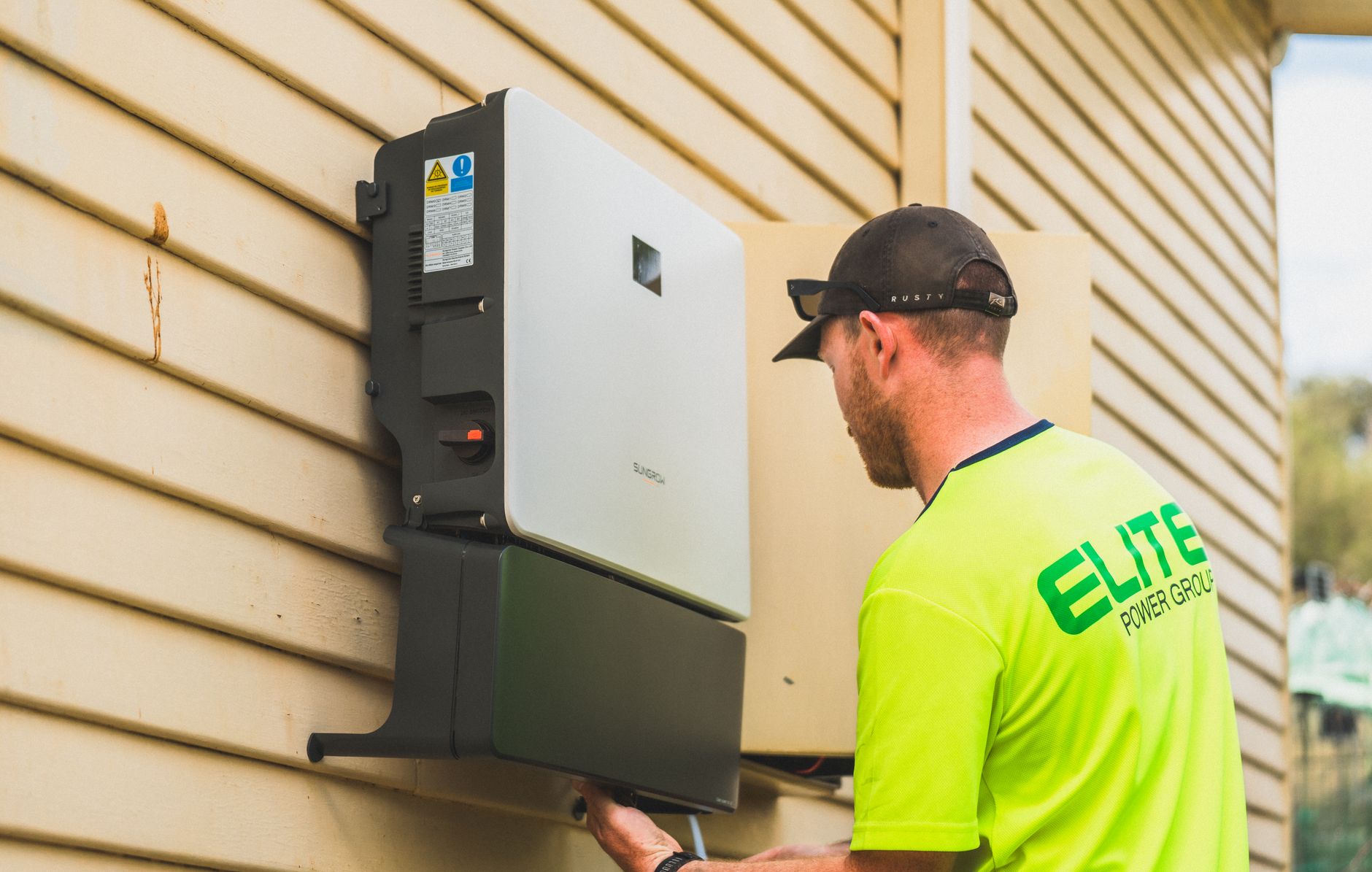
What makes the decision genuinely complicated is that the programs with the highest upside – those involving home batteries and bidirectional EV charging – are also the least standardized. A thermostat program is low-stakes; the utility adjusts your temperature slightly and pays you a modest annual sum. A battery-to-grid arrangement involves your equipment, your warranty terms, your software permissions, and your utility’s specific payment schedule. For households running an EV alongside a home battery in a state with volatile peak pricing, the financial calculus could tip significantly – but only if the program design actually reflects real consumption patterns rather than optimistic projections built on incomplete data.