

Waymo’s autonomous vehicles now operate with enhanced caution when encountering flooded roadways, following a software recall aimed at addressing water-related navigation issues. The Alphabet subsidiary deployed the update to its entire fleet of robotaxis operating in commercial service.
The recall targets specific scenarios where the vehicles’ sensor systems struggled to properly assess water depth and road conditions during flooding events.
Company engineers are developing what they describe as a “final remedy” to address the underlying detection problems that prompted the recall notice.
Detection Systems Under Scrutiny
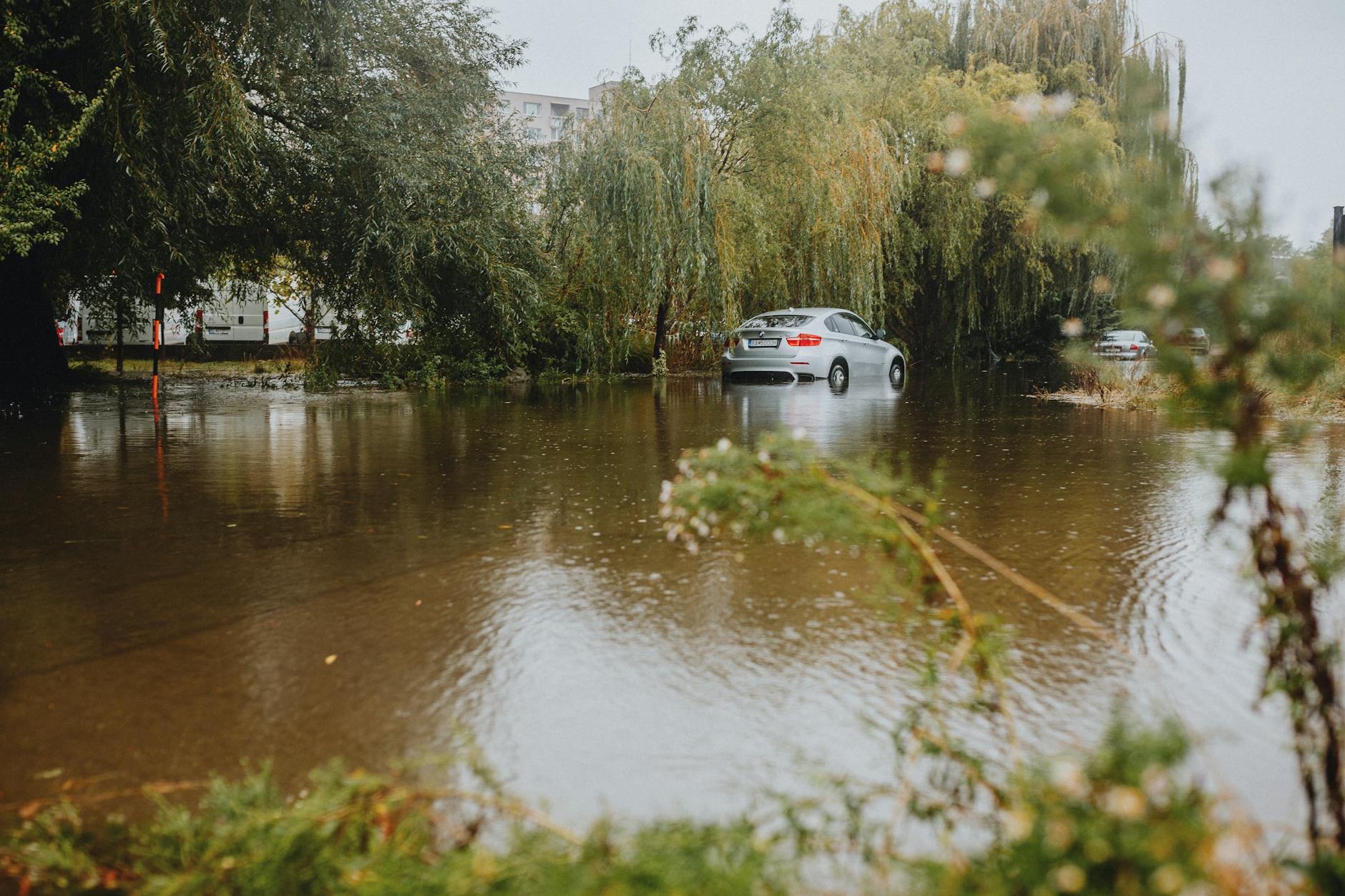
The software modification adjusts how Waymo’s vehicles interpret sensor data when water accumulates on roadways. Current systems rely on a combination of lidar, cameras, and radar to build three-dimensional maps of the driving environment, but flood conditions can interfere with these measurements. The updated algorithms now flag potentially hazardous water levels more conservatively, causing vehicles to seek alternate routes or request remote operator assistance.
Waymo operates commercial robotaxi services in Phoenix, San Francisco, and Los Angeles, with plans to expand to Austin later this year. The company has logged millions of autonomous miles across these markets, but flooding presents unique challenges that differ from typical weather conditions like rain or fog.
Water depth assessment requires precise sensor calibration because even shallow flooding can disable vehicle electronics or create dangerous driving conditions. The recall affects the decision-making protocols that determine when a robotaxi should proceed through standing water versus avoiding the area entirely. Engineers found that previous software versions occasionally underestimated flood risks in certain lighting and weather combinations.
Regulatory Response and Industry Impact
The National Highway Traffic Safety Administration oversees recalls for autonomous vehicle software just as it does for traditional automotive components. Waymo filed the recall voluntarily after internal testing revealed the detection limitations, rather than waiting for regulatory intervention or incident reports from active service areas.
Other autonomous vehicle developers face similar challenges with weather-related edge cases, though flooding scenarios occur less frequently than other environmental factors. Tesla’s Full Self-Driving beta has encountered criticism for its handling of various weather conditions, while Cruise suspended operations last year partly due to safety concerns in complex urban environments. The industry watches how established players like Waymo address these technical hurdles as they work toward broader deployment.
Safety advocates have long argued that autonomous vehicles must demonstrate superior performance in adverse conditions before gaining widespread acceptance. Flooding represents one of many scenarios that human drivers navigate through experience and intuition, capabilities that remain difficult to replicate in artificial systems. The recall highlights ongoing challenges in translating human judgment into algorithmic responses.

Waymo’s engineering teams continue testing the permanent solution in controlled environments before rolling it out to the commercial fleet. The timeline for implementing this “final remedy” remains unspecified, leaving the current cautious approach as the interim standard for flood detection.