


A Federal Denial Shuts Down an EV Business Model
Polestar dealers in the United States who spent years building out their operations around the Swedish electric vehicle brand are now facing a wall. The federal government denied an authorization that would have allowed Polestar to sidestep a ban on Chinese-connected technology – and without that authorization, the company cannot legally sell vehicles in the US market next year.
The result is abrupt and financially damaging for the dealers caught in the middle. They invested in a brand, built infrastructure, trained staff, and aligned their businesses around Polestar’s growth trajectory in North America. Now, through no commercial failure of their own, that business is gone.
What the Chinese Tech Ban Actually Does
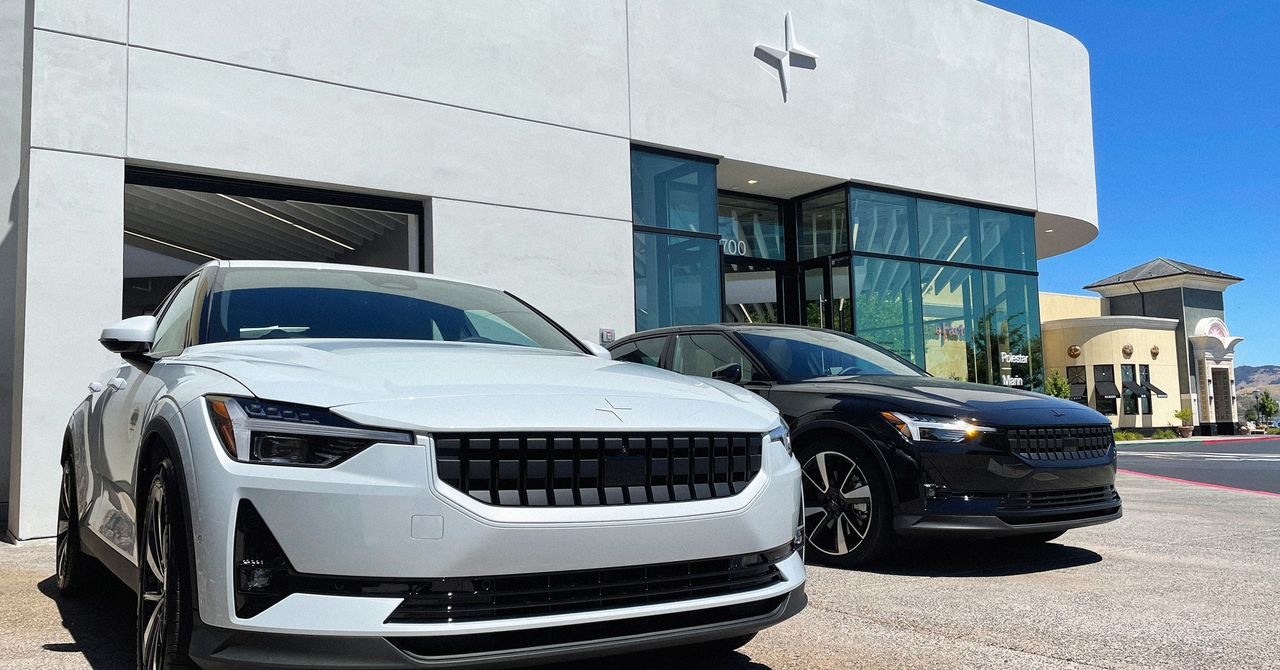
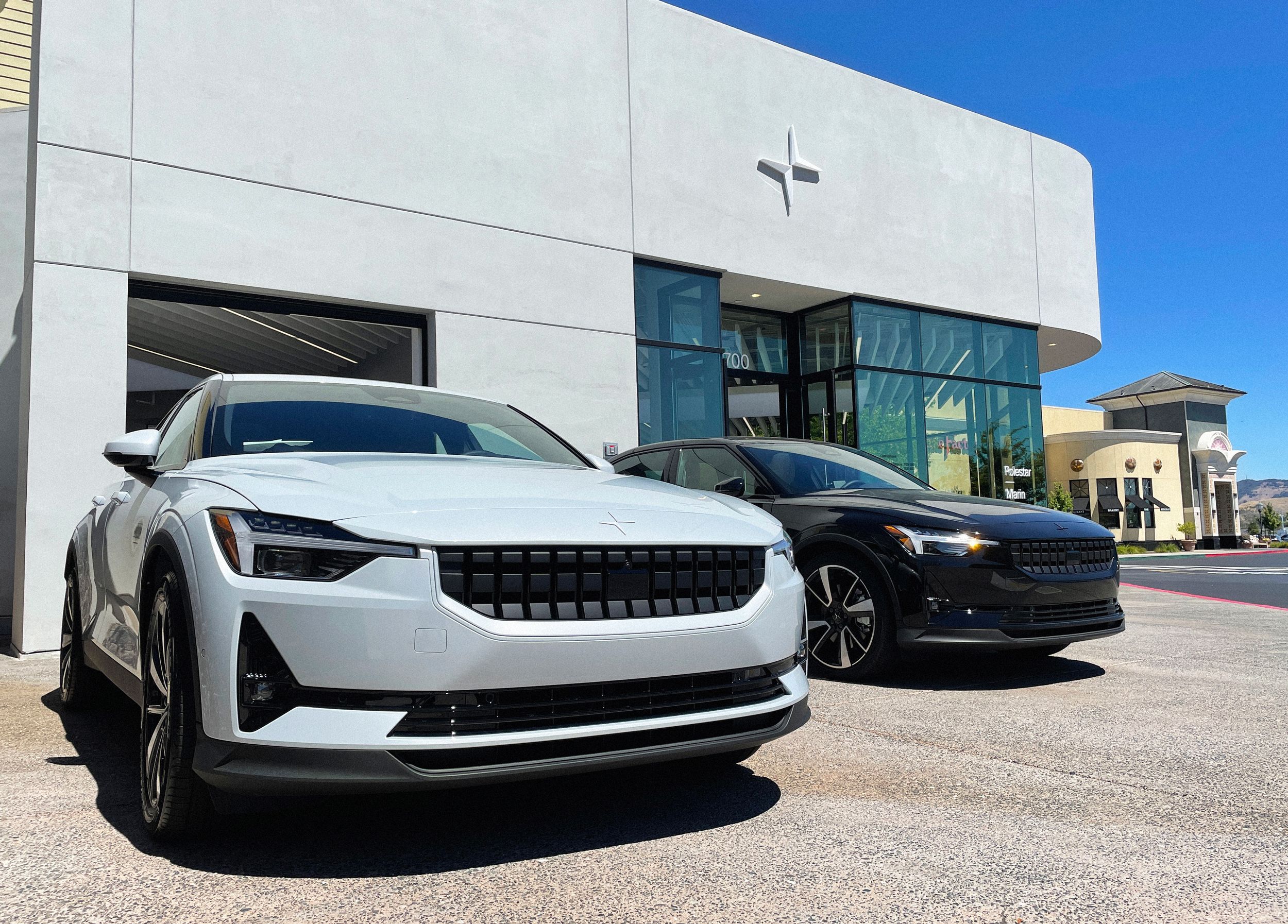
The ban at the center of this situation targets technology with Chinese origins embedded in connected vehicles. Polestar, though headquartered in Sweden and publicly traded in the US, is majority-owned by Geely, the Chinese automotive conglomerate. That ownership structure, and the technology supply chain that comes with it, put the brand directly in the crosshairs of the federal restriction.
The authorization Polestar sought would have provided a legal pathway to continue US sales despite those Chinese technology connections. When the federal government denied that request, it removed the only available off-ramp. There is no workaround sitting in reserve. The denial is the end of the road for Polestar’s US sales operation as currently structured – and by extension, the end of the road for the dealers who built their livelihoods around it.
Dealers Bear the Cost of a Geopolitical Decision
The dealers in this situation did not make a reckless bet. Polestar had a functioning US retail presence, a growing product lineup, and the kind of brand credibility that made investment reasonable. Choosing to carry Polestar wasn’t a gamble on an unproven startup – it was a calculated business decision that happened to run directly into an expanding federal policy framework targeting Chinese technology in connected vehicles.
That policy framework has been building for years, tightening as US-China tensions over technology transfer, data security, and supply chain control have intensified. The Biden administration moved aggressively to restrict Chinese-connected vehicle technology, and the rules have continued under the current administration. Polestar’s situation reflects exactly what those restrictions were designed to prevent – but the dealers absorbing the financial hit didn’t design the supply chain or the ownership structure they’re now penalized for.
The Polestar case also illustrates a structural problem in how EV brand distribution works in the US. Dealers take on real capital risk – showroom upgrades, EV charging infrastructure, specialized technician training, marketing commitments – in exchange for the right to sell a brand. When that brand loses its legal ability to operate in the market, the dealers have no recourse built into the system that compensates them for those sunk costs.
This isn’t unique to Polestar. The EV market has already shown how quickly circumstances can shift for dealers and investors tied to specific brands, but the mechanism here is different – it’s not market failure or production problems, it’s a direct government decision removing a company’s ability to do business.
The Scope of What’s Being Banned
The federal rules targeting Chinese vehicle technology focus on connected systems – the software, sensors, communications hardware, and data infrastructure that make modern vehicles function as networked devices. These aren’t peripheral features. Connectivity is now foundational to how vehicles operate, update, and interact with infrastructure. Removing or replacing Chinese-origin components in that stack isn’t a straightforward engineering task, and for a brand like Polestar, deeply integrated into a Chinese-owned manufacturing and technology ecosystem, it may not be feasible at the pace regulators require.
The denial of Polestar’s authorization request suggests federal reviewers weren’t satisfied that the company could adequately separate itself from the technology the ban covers. What that means practically is that Polestar cannot sell in the US next year unless something changes – a new authorization pathway opens, the rules shift, or the company undertakes significant restructuring of its technology supply chain.
What Comes Next for Affected Dealers
For dealers who invested in Polestar, the immediate question is what assets retain value and what doesn’t. EV charging infrastructure, for instance, has utility beyond any single brand. Showroom investments are harder to repurpose. Staff trained specifically in Polestar vehicles and systems face an uncertain transition. None of this happens cleanly or quickly.

The broader EV retail environment makes the timing worse. Dealers across the industry have navigated choppy demand, changing consumer incentives, and shifting manufacturer strategies over the past two years. Walking into that environment with a Polestar-specific operation and no product to sell is a particularly difficult position. Some dealers may be able to pivot to other brands. Others built specifically around Polestar and face a more complicated path forward.
What remains unresolved is whether Polestar pursues any restructuring that could reopen the US market – and how long that would take relative to the financial runway dealers have left. The company has operations across Europe and other markets that continue normally. The US ban is geographically contained but commercially significant, especially for a brand that had positioned North America as a core growth region. The dealers who believed that positioning are now waiting to see if Polestar finds a way back in, or whether next year’s closure becomes permanent.