


Pet hair turns even the cleanest homes into fur-covered battlegrounds. While traditional vacuums struggle with embedded pet hair, the latest robot vacuum cleaners promise to win this daily war automatically. After weeks of testing five leading models across homes with cats, dogs, and combinations of both, the results reveal which robots actually deliver on their pet hair promises.
The testing environment included homes with golden retrievers, Maine coon cats, and mixed breeds – representing the full spectrum of shedding challenges. Each robot faced identical conditions: hardwood floors with area rugs, carpeted bedrooms, pet beds, and the dreaded under-furniture zones where tumbleweeds of fur gather.
Suction Power Meets Real-World Pet Hair
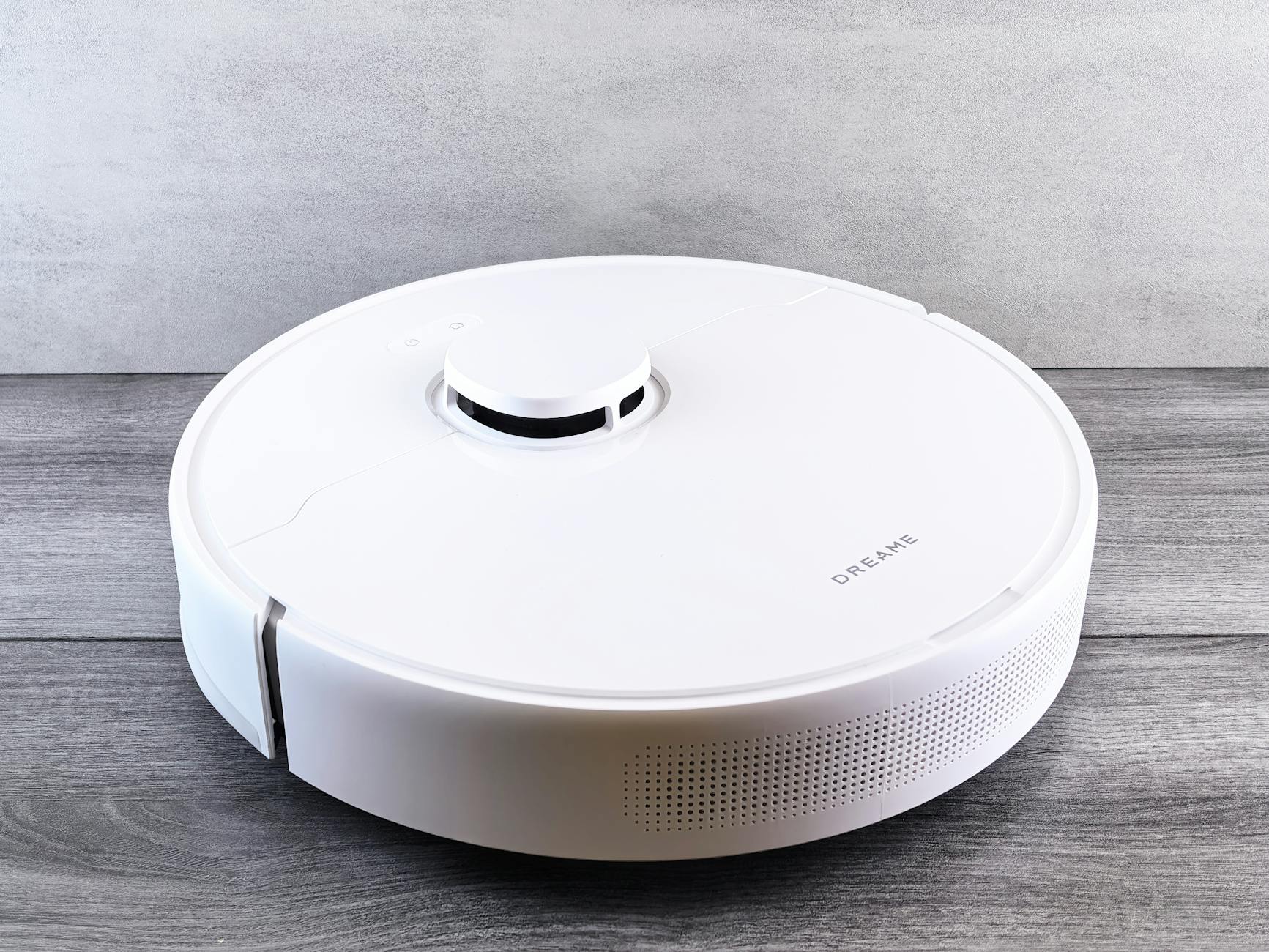
Raw suction power tells only part of the story. The Roomba j7+ delivered impressive results on hardwood floors, efficiently collecting surface hair and debris. Its obstacle avoidance technology proved particularly valuable in pet-heavy homes, navigating around toys and water bowls without getting stuck.
However, the real test came with embedded hair in carpets and rugs. The Shark IQ Robot AV1010AE excelled here, thanks to its self-cleaning brush roll that actively cuts through tangled hair. During testing, this feature prevented the dreaded hair wrap that stops many robots mid-clean.
The Eufy RoboVac X8 Hybrid surprised with consistent performance across all surface types. While lacking some premium features, its dual turbine design maintained steady suction throughout extended cleaning cycles – crucial for homes where pets shed continuously throughout the day.
Navigation and Coverage in Pet-Focused Homes
Pet owners need robots that reach every corner where fur accumulates. The iRobot Roomba s9+ mapped test homes with remarkable precision, creating detailed floor plans that prioritized high-traffic pet areas. Its corner-sweeping brush design proved effective at capturing hair from baseboards and tight spaces.
The Roborock S7 MaxV Ultra demonstrated superior navigation intelligence, automatically increasing suction when detecting pet hair concentrations. Its obstacle recognition accurately identified pet toys, beds, and litter boxes, adapting cleaning patterns accordingly.
Testing revealed a critical insight: robots that simply follow random patterns missed significant fur deposits. The most effective models used systematic room-by-room cleaning, ensuring complete coverage of areas where pets spend the most time.
Maintenance and Long-Term Performance
Pet hair creates unique maintenance challenges that separate excellent robots from mediocre ones. The Shark model’s self-cleaning brush roll proved its worth during extended testing, requiring minimal manual intervention even after heavy shedding periods.
Traditional brush rolls became hair-wrapped disasters within days. The Roomba j7+ required weekly brush cleaning sessions, while budget models needed attention every few uses. This maintenance factor significantly impacts real-world usability for busy pet owners.
The most impressive maintenance feature appeared in higher-end models: automatic dirt disposal systems. The Roomba s9+ and Roborock S7 MaxV Ultra emptied themselves into larger containers, reducing human interaction with accumulated pet hair – a blessing for allergy sufferers.
Like our recent testing of tech accessories for busy professionals, consistency proved more valuable than peak performance. Robots that maintained steady cleaning schedules without frequent interventions delivered better overall results than those with superior specifications but high maintenance requirements.
Smart Features That Actually Help Pet Owners
Beyond basic cleaning, the best robot vacuums integrated genuinely useful smart features. The Roomba models offered scheduling based on shedding seasons, automatically increasing frequency during spring and fall when pets shed most heavily.
Voice control integration proved surprisingly practical. Simple commands like “clean the living room” became invaluable when unexpected guests arrived or after particularly active pet playtime sessions.
The Roborock S7 MaxV Ultra included a camera-based monitoring system that sent notifications about pet activities during cleaning cycles. While privacy-conscious owners might disable this feature, it provided valuable insights into pet behavior and helped optimize cleaning schedules.
App-based customization allowed fine-tuning for specific pet needs. Setting no-go zones around sensitive pet areas, adjusting suction for different room types, and receiving maintenance alerts created a truly personalized cleaning experience.

The robot vacuum landscape has matured significantly, with several models now genuinely effective at managing pet hair. The Shark IQ Robot AV1010AE emerged as the best overall value, combining effective hair management with reasonable maintenance requirements. For premium features and maximum automation, the Roomba s9+ justified its higher price point through superior navigation and hands-off operation.
As artificial intelligence continues advancing, future robot vacuums will likely predict shedding patterns, coordinate with smart home systems, and require even less human intervention. For pet owners ready to reclaim their weekends from constant vacuuming, today’s leading robots finally deliver on their long-standing promises.
Frequently Asked Questions
Do robot vacuums really work for pet hair?
Yes, but effectiveness varies greatly by model and requires choosing robots with self-cleaning brushes and strong suction systems.
How often should robot vacuums run in homes with pets?
Daily operation works best for heavy shedders, with increased frequency during seasonal shedding periods.