


Real estate photography has transformed dramatically with drone technology, and the DJI Mini 4 Pro stands out as a game-changer for property professionals. This compact powerhouse delivers professional-grade aerial shots without the bulk and complexity of larger drones, making it an attractive option for real estate agents, photographers, and property developers looking to showcase listings from stunning new perspectives.
The Mini 4 Pro represents DJI’s latest evolution in the sub-250-gram category, featuring significant upgrades over its predecessors. Its lightweight design means no FAA registration required in many areas, while still packing advanced features typically found in heavier, more expensive models. For real estate professionals who need to capture multiple properties quickly and efficiently, this drone promises to deliver cinema-quality footage with minimal setup time.

Image Quality and Camera Performance
The DJI Mini 4 Pro excels in the areas that matter most for real estate photography. Its camera captures sharp, detailed images that showcase properties in their best light. The drone’s ability to shoot in multiple formats gives real estate professionals flexibility in post-production, whether they’re creating quick social media posts or high-end marketing materials.
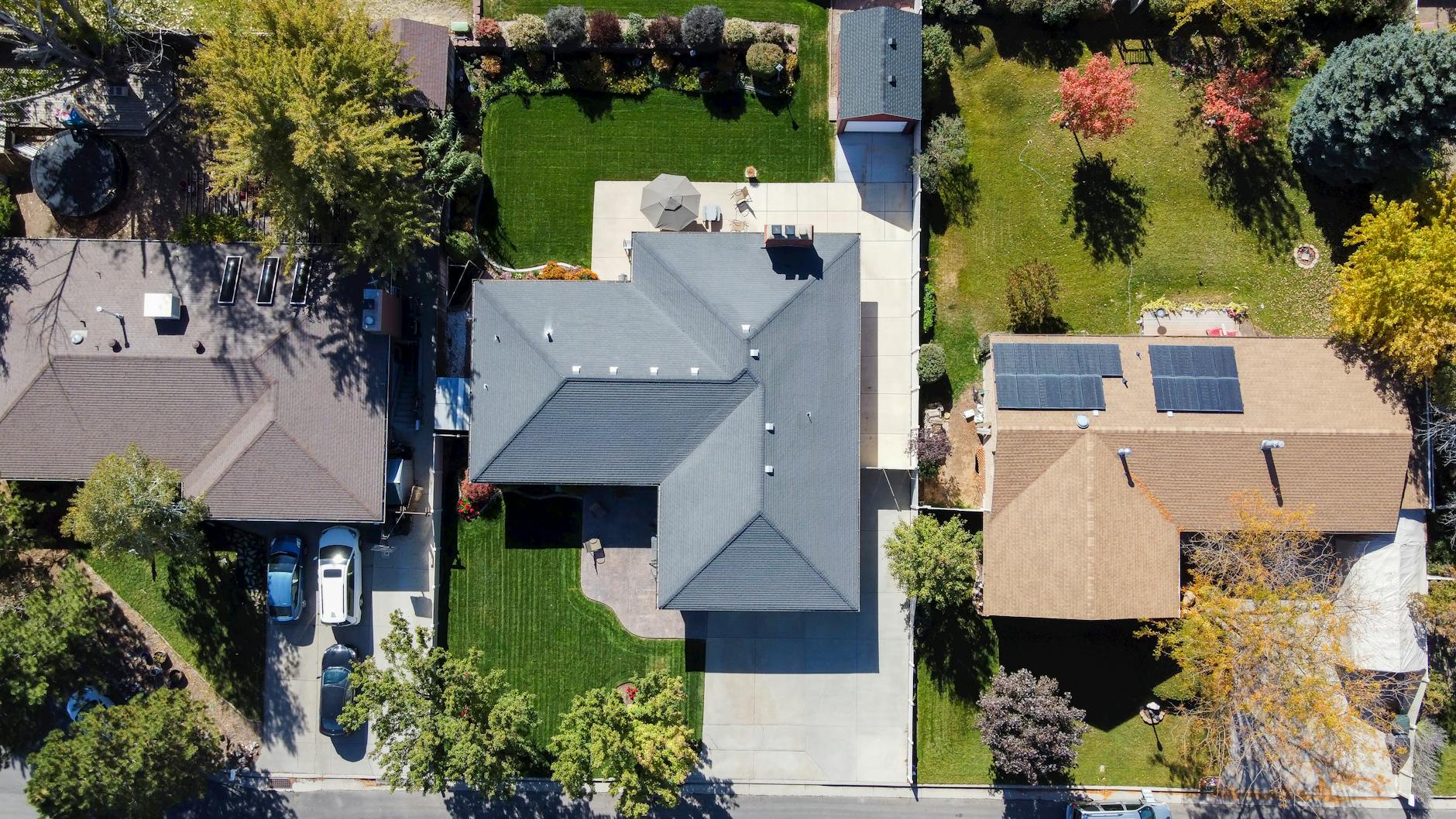
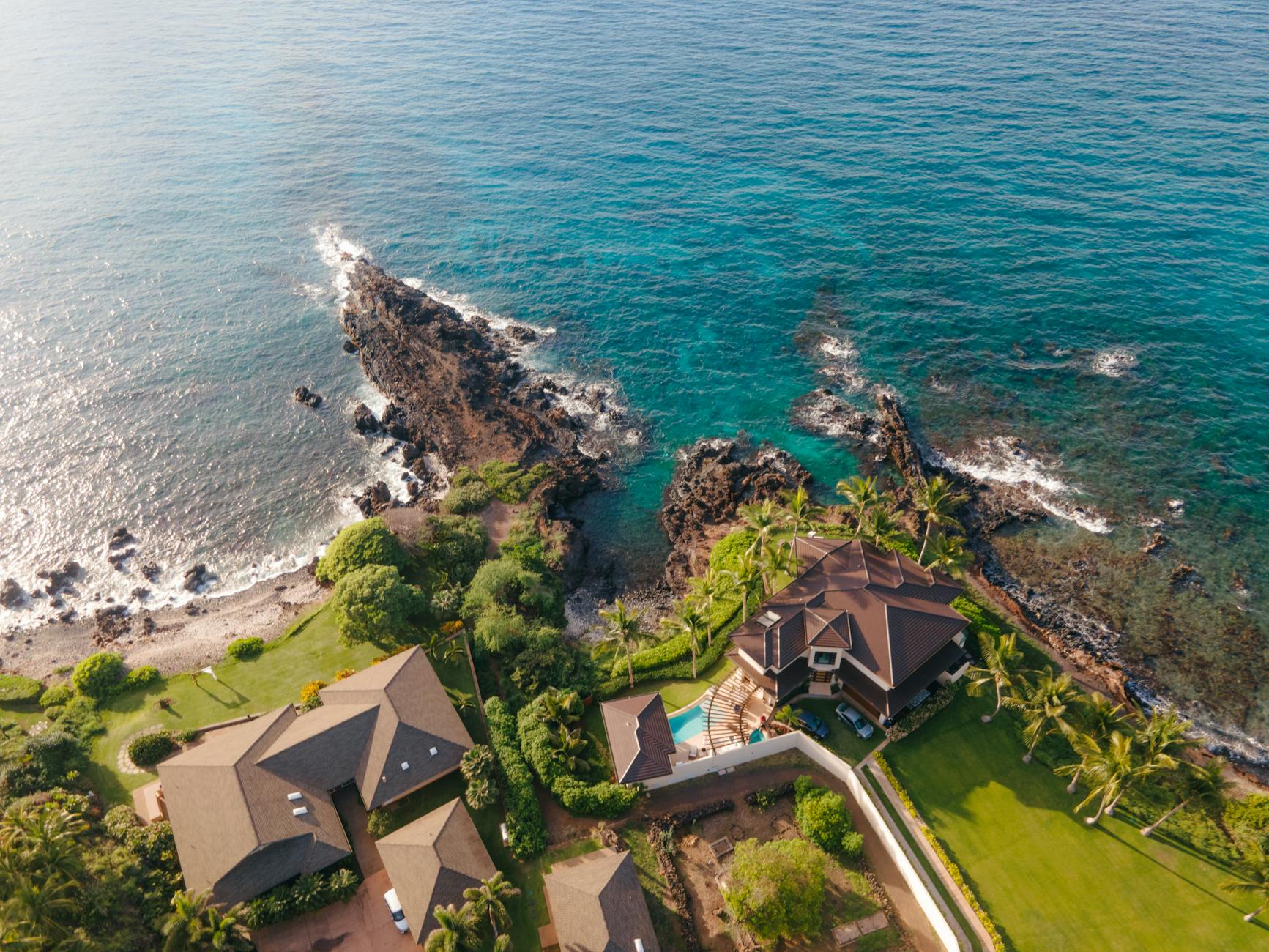
Color reproduction proves particularly impressive for exterior shots, accurately capturing the warmth of brick facades, the richness of landscaping, and the clarity of pool water. The camera handles challenging lighting conditions well, maintaining detail in both shadowed areas under eaves and bright sky portions of the frame. This dynamic range capability reduces the need for extensive post-processing, saving valuable time for busy real estate photographers.
The drone’s stabilization system performs exceptionally during movement, crucial for creating smooth reveal shots that start with neighborhood context and gradually focus on the target property. These cinematic movements, once requiring expensive equipment and experienced operators, now become accessible to real estate professionals with basic piloting skills.
Video capabilities shine particularly bright for virtual tours and social media content. The smooth footage quality allows for professional-looking property walkthroughs from angles impossible with traditional photography. Agents report that listings featuring drone footage receive significantly more online engagement and inquiries compared to standard ground-level photography.
Flight Performance and Usability
The Mini 4 Pro demonstrates remarkable stability even in moderate wind conditions, essential for consistent real estate photography. Its compact size initially raises concerns about wind resistance, but field testing reveals solid performance in typical suburban environments where most residential properties sit.
Battery life proves adequate for most single-property shoots, typically allowing 25-30 minutes of active flight time. Real estate photographers can usually capture all necessary angles and shots within this timeframe, though having backup batteries becomes essential for multi-property days or complex commercial shoots.
The drone’s obstacle avoidance systems work reliably around typical residential hazards like power lines, tall trees, and building overhangs. However, operators still need situational awareness, particularly around properties with multiple structures or dense landscaping. The sensors perform well but shouldn’t replace careful pre-flight planning and visual observation.
Range performance exceeds the needs of most real estate applications. The drone maintains stable connection and video transmission well beyond typical property boundaries, allowing for wide establishing shots that capture neighborhood context and nearby amenities like parks, schools, or shopping centers.
Practical Considerations for Real Estate Use
Setup time remains minimal compared to larger drone systems, crucial for real estate professionals juggling tight schedules. The Mini 4 Pro unfolds quickly, connects to smartphones reliably, and typically achieves GPS lock within minutes. This efficiency allows photographers to capture aerial shots without significantly extending property shoot times.
The included controller feels solid and responsive, though some users with larger hands report minor comfort issues during extended sessions. The smartphone integration works smoothly with most current devices, providing clear live view and intuitive control options that don’t require extensive technical training.
Storage and transportation prove effortless thanks to the drone’s compact folded size. The unit fits easily in standard camera bags alongside other real estate photography equipment, eliminating the need for dedicated transport cases that larger drones require. This portability advantage becomes particularly valuable for agents who handle their own photography or work with mobile photographers.
Legal compliance remains straightforward for most residential applications, thanks to the sub-250-gram weight classification. However, real estate professionals should still familiarize themselves with local airspace restrictions, particularly around airports or military installations that might affect certain property locations.
Weather limitations do exist, particularly in windy or rainy conditions. Smart real estate photographers plan backup indoor shots for challenging weather days, ensuring property marketing stays on schedule regardless of flight conditions.
Value and Competition Analysis
The Mini 4 Pro positions itself competitively against both lighter consumer drones and heavier professional models. For real estate applications, it strikes an effective balance between capability and practicality that serves most property marketing needs without unnecessary complexity or cost.
Compared to smartphone-based solutions or traditional ground photography, the investment pays dividends through enhanced listing presentations and faster sales cycles. Properties showcased with quality aerial photography consistently perform better in competitive markets, justifying the equipment cost for active real estate professionals.
The drone’s durability holds up well under regular professional use, though standard precautions around propeller protection and careful handling remain important. Replacement parts availability and service support from DJI provide confidence for business-critical applications.
Training requirements remain minimal for basic real estate photography, though mastering advanced flight patterns and cinematic techniques benefits from practice and potentially formal instruction. Most real estate photographers achieve competency within several practice sessions, much faster than larger, more complex drone systems require.
The DJI Mini 4 Pro proves itself as a capable, practical tool for real estate photography that delivers professional results without professional complexity. Its combination of image quality, flight stability, and operational simplicity makes it accessible to real estate professionals who want to enhance their property marketing without becoming drone specialists.
For agents and photographers ready to elevate their listings with aerial perspectives, the Mini 4 Pro offers an entry point that grows with developing skills and changing needs. As property marketing continues evolving toward more visual, engaging content, tools like this drone become less luxury and more necessity for competitive real estate professionals.
The technology continues advancing rapidly, with each generation bringing improvements in battery life, image quality, and intelligent features. Early adopters of drone technology in real estate consistently report competitive advantages that justify both the initial investment and ongoing skill development required to maximize these tools’ potential.
Frequently Asked Questions
Does the DJI Mini 4 Pro require FAA registration for real estate use?
No, the Mini 4 Pro weighs under 250 grams, so it doesn’t require FAA registration for most residential real estate applications.
How long does the battery last during real estate photography sessions?
The battery typically provides 25-30 minutes of active flight time, sufficient for most single-property shoots.