



A Rocket That Traveled Thousands of Miles Won’t Be Coming Home Anytime Soon
SpaceX launched Starship 40 from its facility in Texas on a test flight that sent the vehicle thousands of miles downrange, ultimately ending with the rocket’s recovery in the Indian Ocean. Getting it there took hours. Getting it back will take months – and the reasons behind that timeline say as much about the practical limits of operating the world’s largest rocket program as they do about the ambition behind it.
The sheer distance involved is only part of the problem.

The Indian Ocean is not a convenient place to recover a rocket. Unlike the Gulf of Mexico or the Atlantic seaboard – waterways with established shipping lanes, port infrastructure, and quick turnaround access to SpaceX’s Starbase facility in South Texas – the Indian Ocean puts significant logistical distance between the hardware and the engineers who need to inspect, refurbish, and potentially refly it. A hardware recovery operation of this scale isn’t simply a matter of loading a rocket onto the nearest available ship. It requires the right vessel, the right port access, and coordination across international waters and regulatory environments that don’t move at the speed SpaceX’s launch cadence demands.
Why the Return Trip Is More Complicated Than the Launch
Starship 40 covered thousands of miles in the span of a single test flight – a journey that, in the context of the mission, was the point. SpaceX deliberately sent the vehicle on a long downrange trajectory to test flight performance, thermal protection, and reentry behavior under real conditions. That kind of testing requires distance. Distance, however, creates a recovery problem that no amount of engineering ingenuity immediately solves.
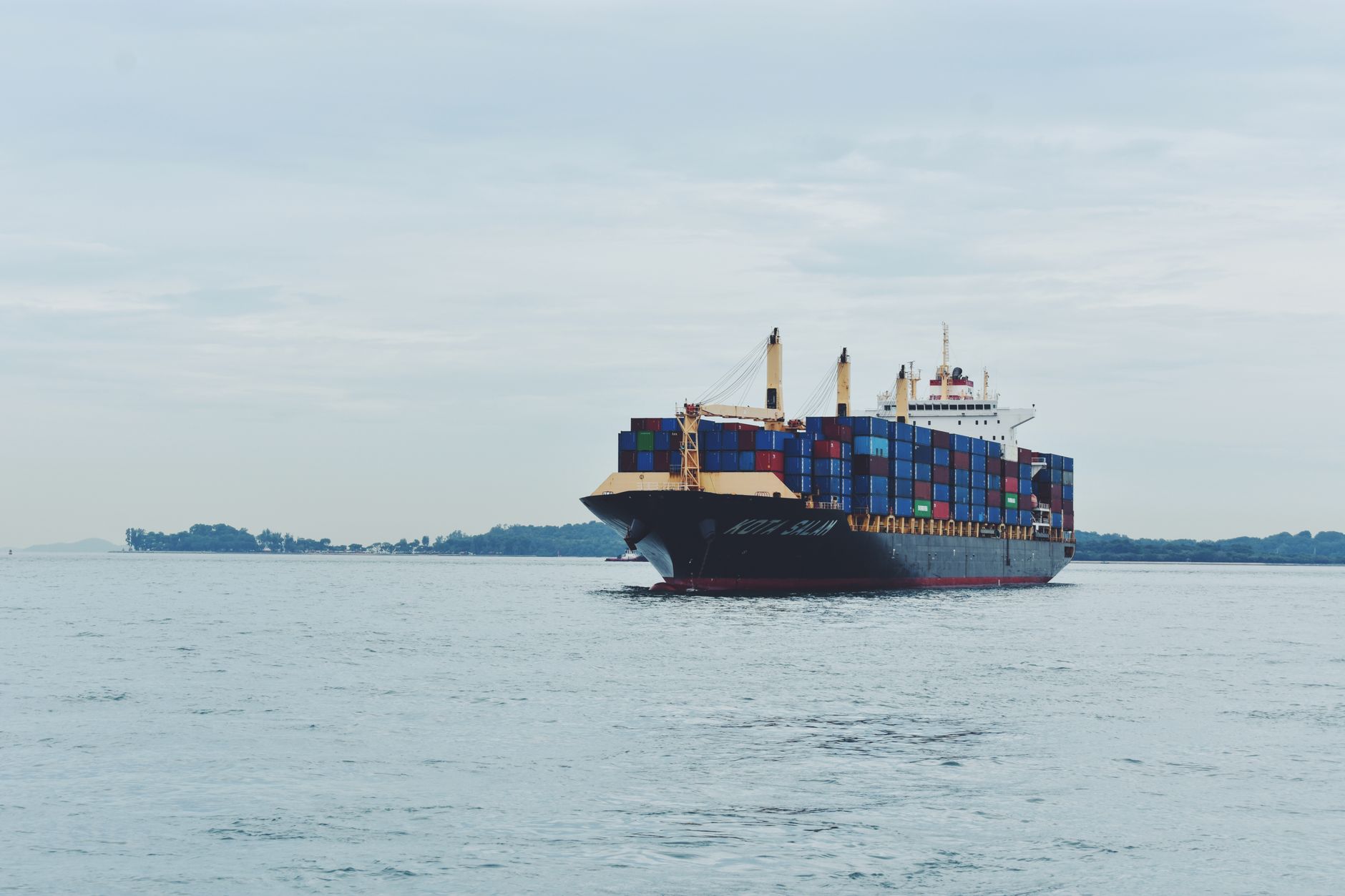
Shipping a structure the size of Starship’s upper stage – the Ship component – across open ocean is not a standard freight operation. The vehicle’s dimensions alone limit which ships can transport it, which ports can receive it, and which routes make geographic or logistical sense. SpaceX has been developing marine infrastructure to support Starship recovery, but that infrastructure is concentrated around the Gulf of Mexico, not the Indian Ocean. Moving the hardware into position to even begin the return journey requires coordinating assets that weren’t originally staged for a recovery this far from home.
Beyond transportation, there’s the question of what condition the vehicle is in after reentry and ocean recovery. Saltwater exposure is corrosive to aerospace hardware, and even a short soak can complicate inspections and refurbishment timelines. Every day Starship 40 spends in transit is a day SpaceX’s engineers aren’t able to run hands-on diagnostics, strip thermal protection tiles for inspection, or assess whether specific components can be reused. The months-long return estimate reflects that accumulated delay – not a single bottleneck, but several stacked on top of each other.
What This Means for SpaceX’s Broader Starship Plans
SpaceX has been open about its goal of making Starship rapidly and fully reusable, with Elon Musk describing a future where the vehicle can be reflown with minimal turnaround time – potentially within hours in an idealized scenario. Starship 40’s situation is a concrete reminder of how far the program still sits from that vision in practical terms. A vehicle that takes months to return from a single test flight cannot yet anchor the kind of high-frequency launch cadence the company is targeting for missions to the Moon, Mars, or commercial orbital operations.
That said, recovery in the Indian Ocean rather than outright loss of the vehicle is itself a data point SpaceX will treat as progress. Each recovered Ship provides hardware that engineers can study – thermal protection performance, structural integrity after reentry loads, the condition of the engines and propellant systems. Even if Starship 40 arrives back in Texas months from now in a condition that makes it unsuitable for reuse, the physical vehicle still carries information that computer simulations and telemetry alone can’t fully replicate. SpaceX has consistently treated hardware recovery as an engineering tool as much as a cost-recovery measure.
For context, NASA’s own experience managing hardware recovery and transport across long maritime distances – including with programs like the Swift Observatory situation – illustrates how even well-resourced space agencies treat ocean-based hardware logistics as a slow, resource-intensive discipline that doesn’t easily compress on timeline.

SpaceX has not specified the exact return route for Starship 40, which ports the recovery vessel will use, or the precise timeline beyond the general estimate of months. The company’s Starbase operations in South Texas remain the destination – the same facility where the vehicle was built, stacked, and launched – but the path between the Indian Ocean and South Texas is long, and the infrastructure along it wasn’t built with Starship in mind.
The Gap Between Vision and Logistics
SpaceX has made the argument, repeatedly and with some validity, that its iterative test-to-destruction approach accelerates development compared to conventional aerospace programs that protect hardware at the cost of data. Starship 40’s months-long return trip is the other side of that equation – the part where testing hardware at extreme range and scale creates recovery and refurbishment challenges that the rapid-iteration model doesn’t automatically solve. Building a rocket capable of reaching the Indian Ocean in one flight is the engineering achievement. Figuring out how to get it home efficiently, repeatedly, and cheaply enough to sustain a commercial launch program is the operational problem that comes after.
Starship 40 is currently somewhere between the Indian Ocean and an answer to that question.