



Hours of Sky-View Video, Now Visible Beyond the Department
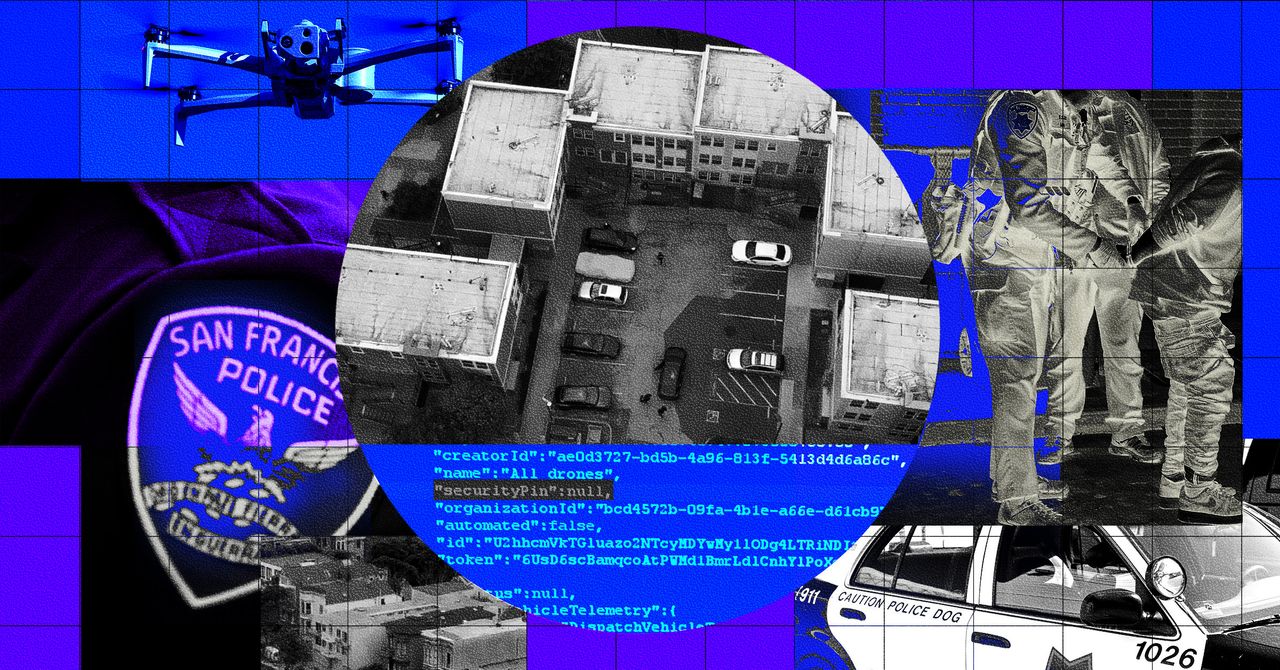
The San Francisco Police Department has been operating drones equipped with Skydio’s platform to monitor the city from above, and a leak of that footage has pushed what was once internal surveillance material into public view. The exposure covers hours of aerial video, showing the scope of how SFPD has been watching San Francisco’s streets, crowds, and neighborhoods through a camera mounted several hundred feet in the air.
What the leak illustrates is not just a privacy incident – it is a window into how police departments are now conducting routine aerial observation of American cities, and what happens when the systems holding that footage fail to contain it. The Skydio platform sits at the center of this story, both as the technology enabling the surveillance and as the system whose output ended up beyond the department’s control.
Skydio’s Role and the Scale of What Was Captured
Skydio is one of the more prominent drone manufacturers operating in the U.S. law enforcement market. The company’s platforms are designed for professional and public safety applications, offering automated flight capabilities and high-resolution imaging that agencies like SFPD have adopted for patrol, crowd monitoring, and incident response. When a department accumulates hours of footage from regular drone operations, the volume alone signals how frequently this kind of aerial observation is being used – not as a special-event tool, but as a standard layer of city monitoring.
The leaked footage from SFPD does not represent a single mission or targeted operation. It covers broad stretches of the city, capturing footage that, by its volume and variety, suggests drones are functioning less like a specialized resource and more like a persistent eye operating above San Francisco. That distinction matters because it changes the nature of what surveillance means in practice. A tool deployed rarely for emergencies carries different implications than one logging hours of footage across regular operations.
When Internal Footage Stops Being Internal
Law enforcement drone programs generate data – video, metadata, flight logs – that departments typically treat as internal records. The assumption built into these systems is that footage remains within departmental custody, accessible to officers and, through legal processes, potentially to oversight bodies or courts. What the SFPD leak demonstrates is that assumption is fragile. Once footage exists on a platform, it is exposed to the same failure modes as any digital data: mismanagement, unauthorized access, or procedural lapses that push material outward.
The fact that hours of video from Skydio’s platform ended up spilling online forces a direct question about data governance inside police drone programs. Departments that deploy these systems are accumulating large libraries of surveillance footage, and not all of them have built the storage, access-control, and retention policies that scale to that volume. The leak at SFPD is a case study in what that gap looks like when it becomes visible.
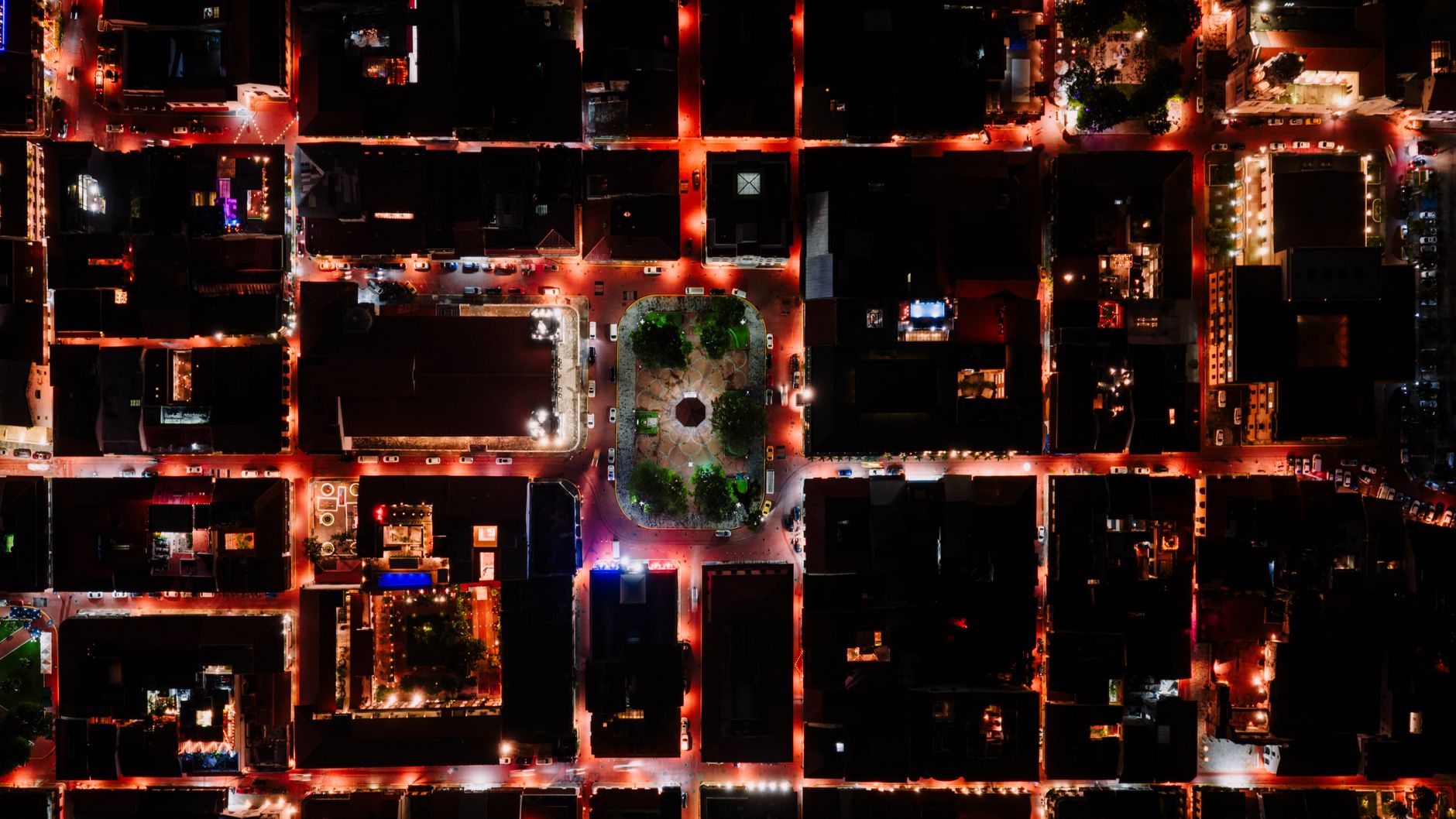
There is also the question of what the footage actually shows. Aerial video of a city captures more than incidents. It captures people going about their day – walking, driving, gathering – with no awareness that a drone is overhead logging their movements. The accumulated footage from hours of patrol-style operations is not a targeted record; it is an indiscriminate one, and its exposure online extends that indiscriminate reach further still.
San Francisco has been a recurring site of tension between technology companies, city government, and residents over surveillance infrastructure. The city has previously debated and restricted facial recognition use by police. Drone programs operate in a related but distinct regulatory space, and the SFPD’s use of Skydio’s platform had not generated the same level of public scrutiny – at least not until footage from those operations became accessible outside the department.
The Broader Pattern in Law Enforcement Drone Adoption
SFPD is not unusual in its adoption of drone technology. Police departments across the United States have expanded their use of unmanned aerial vehicles over the past several years, drawn by decreasing hardware costs, improving imaging quality, and platforms like Skydio’s that reduce the piloting skill required to operate them effectively. What varies is the transparency around how those programs run – how often drones fly, over what areas, with what retention policies for the footage they collect.
The leak from SFPD lands in the context of ongoing national debate over police surveillance tools and the legal frameworks – or absence of them – governing their use. Unlike body cameras, which most departments now treat as subject to specific retention and disclosure rules, drone footage often falls into grayer territory, managed under general records policies that were not written with hours of aerial video in mind.

What Accountability Looks Like When Data Escapes
Once surveillance footage moves beyond its intended container, the options for controlling it narrow significantly. Departments can issue statements, initiate internal reviews, or work with platforms to understand how the exposure happened. What they cannot do is retrieve footage that has already circulated. The leak from SFPD’s Skydio operations is now part of the public record in a way the department did not intend and cannot reverse.
Skydio, as the platform provider, sits in a position that drone manufacturers are increasingly going to find familiar: their technology generates data that becomes a liability when it escapes the custody of the agency using it. How platform companies build access controls, audit trails, and breach response protocols is becoming as relevant a question as the flight performance of the drones themselves.
The hours of footage now associated with this leak cover San Francisco from an angle its residents rarely see and rarely consented to being recorded from. That footage existed before the leak. The leak did not create the surveillance – it just made it harder to ignore.