



A Traffic Crisis Becomes a Policy Flashpoint
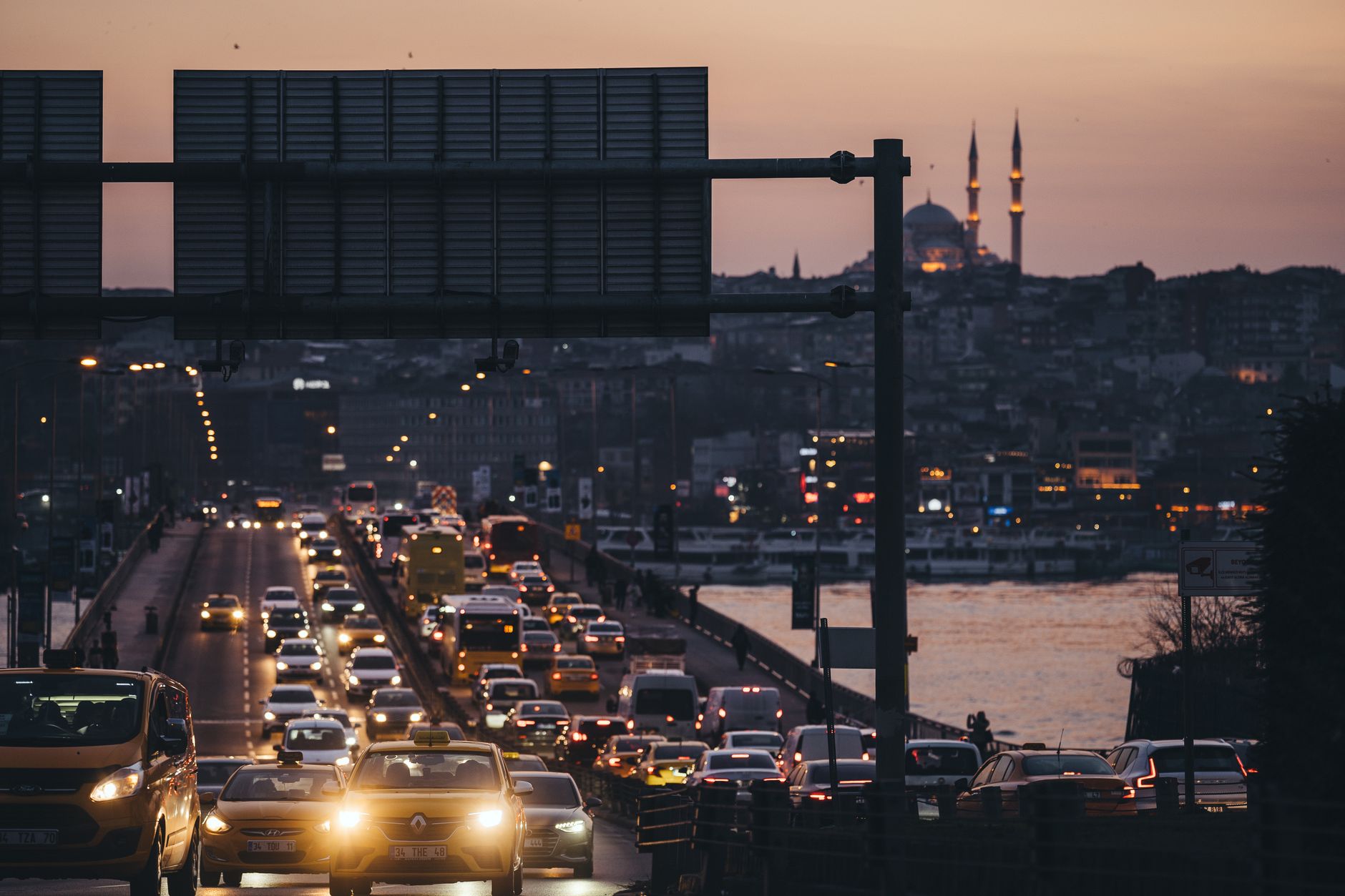
San Francisco Mayor Daniel Lurie has formally called on state regulators to impose stricter requirements on robotaxi operators, with Waymo squarely in his sights. The move follows a hours-long gridlock event that paralyzed portions of the city and reignited a debate that Bay Area officials have been circling for years: who bears responsibility when autonomous vehicles malfunction at scale?
The incident exposed something the optimistic deployment timelines of autonomous vehicle companies rarely account for – the cascading, real-world cost of a system failure measured not in server downtime, but in blocked intersections, delayed emergency vehicles, and thousands of frustrated commuters sitting in traffic with no clear explanation from the company responsible.
Lurie’s intervention marks a notable escalation in the city’s posture toward Waymo, which has operated in San Francisco longer than any other commercial robotaxi service and has often cited the city as proof that autonomous vehicles can coexist with dense urban infrastructure.
What the Mayor Is Actually Asking For
Lurie directed his demands toward state-level regulators, recognizing that San Francisco’s authority over robotaxi operations is limited. California’s regulatory framework places oversight of autonomous vehicle deployment largely with state agencies – a structure that has historically left city governments watching from the sidelines while companies expand operations block by block.
The gridlock event demonstrated exactly why that arrangement has become untenable for local officials. When Waymo vehicles contributed to hours of immovable traffic, the city had few immediate levers to pull. There was no local kill switch, no direct line of enforcement, and no mechanism to hold the company accountable in real time. Lurie’s push is partly about changing that balance – getting requirements written into state-level operating conditions that give cities more than just a complaint hotline.
The specific requirements Lurie is pushing for have not been fully detailed in public statements, but the underlying demand is structural: robotaxi operators should face tougher operational rules before they can run fleets at the scale Waymo has reached in San Francisco. The company currently operates hundreds of vehicles across the city, a footprint that makes any widespread system error considerably more disruptive than it would have been during earlier, smaller-scale testing phases.
Waymo’s Complicated Relationship With San Francisco
Waymo has long positioned San Francisco as its flagship market – the city where it proved autonomous vehicles could handle real urban complexity. That narrative now has a significant dent in it. A hours-long traffic fiasco is not a minor anomaly that public relations teams can quietly footnote; it’s the kind of event that defines how regulators, politicians, and the public calibrate their trust in a technology.
The company has faced regulatory friction in San Francisco before. Earlier expansions drew pushback from city departments and community groups concerned about safety data transparency and the pace of scaling. Those objections were eventually navigated, with state regulators largely greenlighting Waymo’s growth. Mayor Lurie’s intervention suggests the political calculus has shifted – that a single, visible failure now carries enough weight to reopen conversations that companies and their advocates had considered settled.
There is also a competitive dimension worth noting. Waymo is not the only company watching how regulators respond to this episode. Any new requirements imposed in California set a benchmark that shapes the operating environment for every autonomous vehicle company with ambitions in the state. Stricter rules born from one bad day in San Francisco could reshape deployment strategies far beyond the Bay Area.
What Comes Next
State regulators now have a direct, public request from the mayor of California’s fourth-largest city asking them to act. Whether they treat Lurie’s intervention as a serious mandate for new requirements or as political noise generated by a high-profile traffic jam will say a great deal about how California intends to govern the autonomous vehicle industry as it moves from novelty to infrastructure.
For Waymo, the next few weeks involve a familiar but uncomfortable exercise: defending operational decisions to regulators while trying to avoid admissions that could invite liability or set unfavorable precedent. The company has handled regulatory scrutiny before, but usually in the context of incremental expansion debates – not in the aftermath of an event that gave thousands of San Franciscans a visceral, firsthand reason to question whether these vehicles are ready for the scale at which they are already operating.
Mayor Lurie made his position clear. The question sitting with Sacramento now is whether one gridlock event – however long and disruptive – is enough to move the needle on rules that Waymo and its peers have spent years, and considerable lobbying resources, helping to shape.