



Designed for the Cloud, Not Your Build
Samsung has announced its next generation of 3D memory and storage technology, and if you were hoping this would finally make DDR5 affordable for your desktop, prepare to be disappointed.
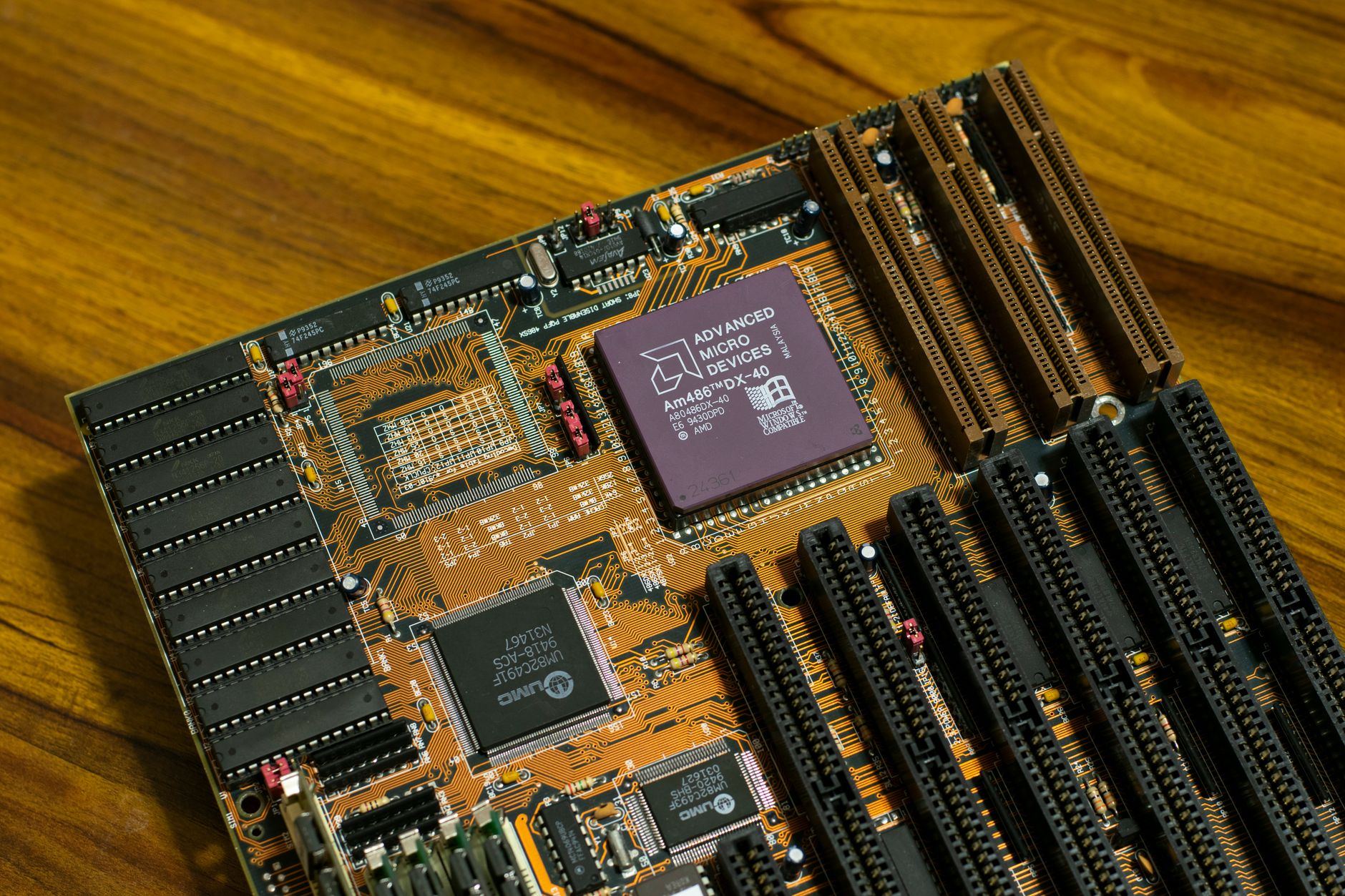
The announcement centers on hardware built almost entirely for data centers – the massive, power-hungry server farms that run AI workloads, cloud services, and enterprise infrastructure. Consumer devices like gaming PCs, laptops, and consoles are not the intended audience here. Samsung is chasing the most profitable segment of the memory market, and right now that means selling to hyperscalers and AI companies, not to someone upgrading their home rig.
That gap between where Samsung is investing and what everyday buyers actually need has become harder to ignore. DDR5 RAM, which was supposed to be the new standard for consumer PCs, remains expensive relative to DDR4, and availability at reasonable price points has been inconsistent. Meanwhile, Samsung is announcing layered 3D memory architectures that will sit inside data center servers, far from any consumer motherboard.
The memory industry has always had a commercial logic that runs against consumer interest. Manufacturers can charge premiums to enterprise buyers who have little choice but to pay, which reduces pressure to drop prices at the consumer level. Samsung’s latest announcement follows that logic precisely – the company is pushing its most advanced engineering toward buyers with the deepest pockets.
This does not mean the technology is unimpressive. The 3D memory architecture Samsung is developing represents a significant engineering investment, stacking memory cells vertically to increase density and bandwidth within a smaller physical footprint. That kind of density matters enormously when you are filling server racks, where space, power draw, and thermal output are constant constraints.
What the Tech Actually Does
The core premise of 3D memory is straightforward: instead of spreading memory cells across a flat surface, you build upward. More layers mean more capacity without expanding the chip’s physical dimensions. For data centers trying to pack maximum compute into limited rack space, that vertical density translates directly into cost efficiency and performance per watt.
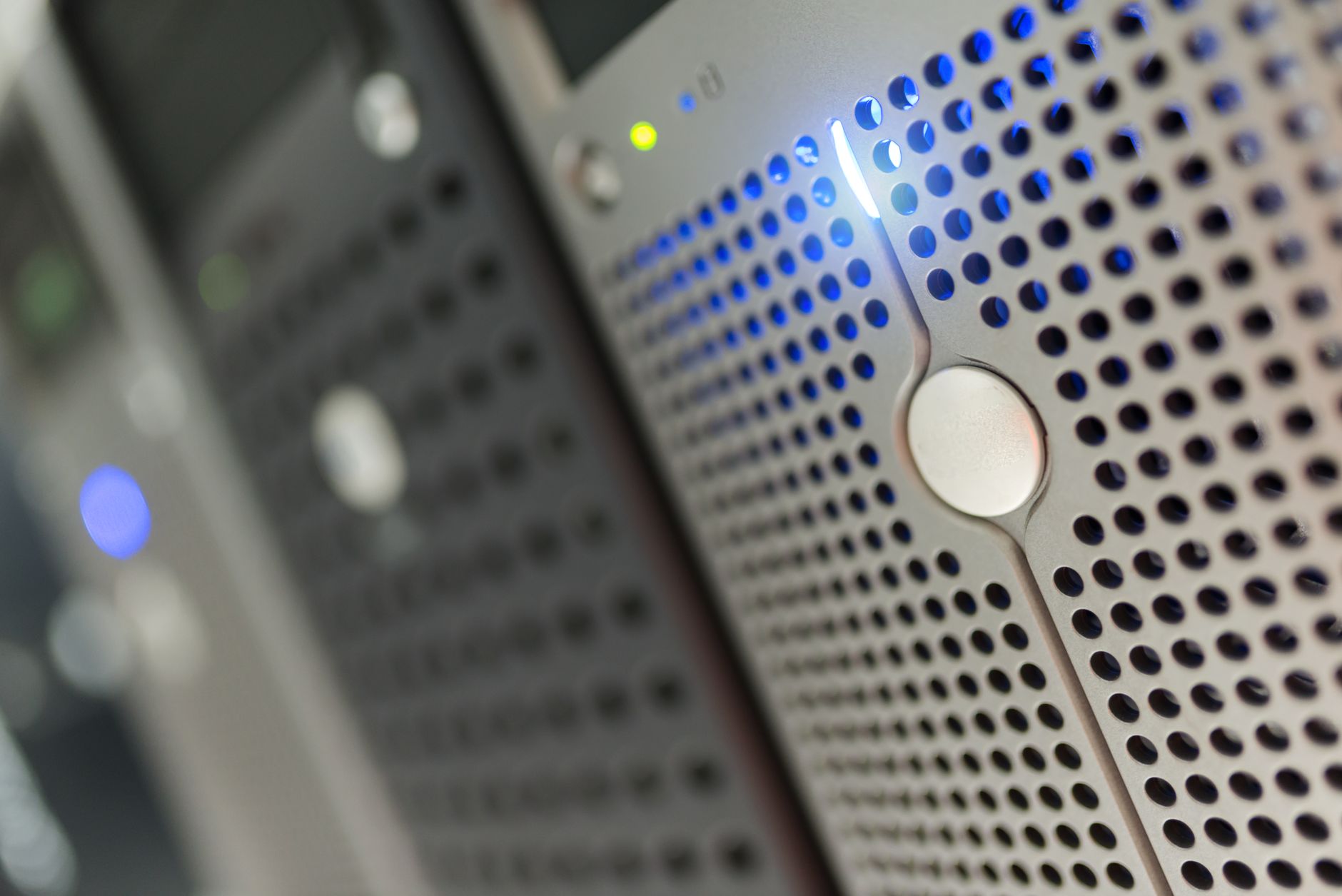
Samsung’s next-gen approach is specifically calibrated for AI inference and training workloads, which are extraordinarily memory-intensive. Large language models and image generation systems require rapid, sustained access to enormous datasets. Bandwidth bottlenecks at the memory level can throttle the performance of even the most powerful AI processors, so improving memory architecture is not a secondary concern for data center operators – it directly determines how fast and cheaply they can run AI jobs.
Storage technology is also part of Samsung’s announcement package. The company’s data center-focused NAND and SSD developments follow a similar direction, optimizing for the sequential read speeds and endurance profiles that server workloads demand. These are not the same specifications that matter for a gaming SSD, where burst performance and affordable price-per-gigabyte are the relevant metrics.
Samsung is not alone in this direction. The entire memory industry – including SK Hynix and Micron – has been aggressively redirecting its highest-bandwidth products toward AI infrastructure. SK Hynix has made significant ground with High Bandwidth Memory used in Nvidia’s AI chips, and that success has pushed every major memory maker to treat AI data centers as the primary growth market. Samsung’s announcement fits squarely inside that competitive race.
The downstream effect on consumer pricing is a genuine concern. When fabrication capacity and R&D resources concentrate on high-margin enterprise products, the incentive to optimize manufacturing for cheaper consumer RAM weakens. Prices do not have to rise outright – they can simply stop falling at the pace buyers expect. DDR5 adoption in mid-range PCs has been slower than anticipated partly because the price premium over DDR4 never compressed quickly enough to make upgrading obvious.
There is also a technical trickle-down argument that Samsung and others would offer in response. Memory innovations developed for data centers do eventually migrate toward consumer products, sometimes within a product generation or two. Higher-density packaging, improved error correction, and more efficient power profiles all have consumer applications. The timeline, though, is measured in years, and the consumer versions often arrive stripped of the features that made the data center versions worth building in the first place.
The Frustration Is Reasonable
For PC builders and console enthusiasts watching Samsung announce cutting-edge memory architecture, the reaction is understandable. The hardware exists. The engineering capability clearly exists. What does not exist is a market incentive for Samsung to point that capability at affordable consumer DDR5 right now, when AI data center contracts are generating far more revenue per wafer.
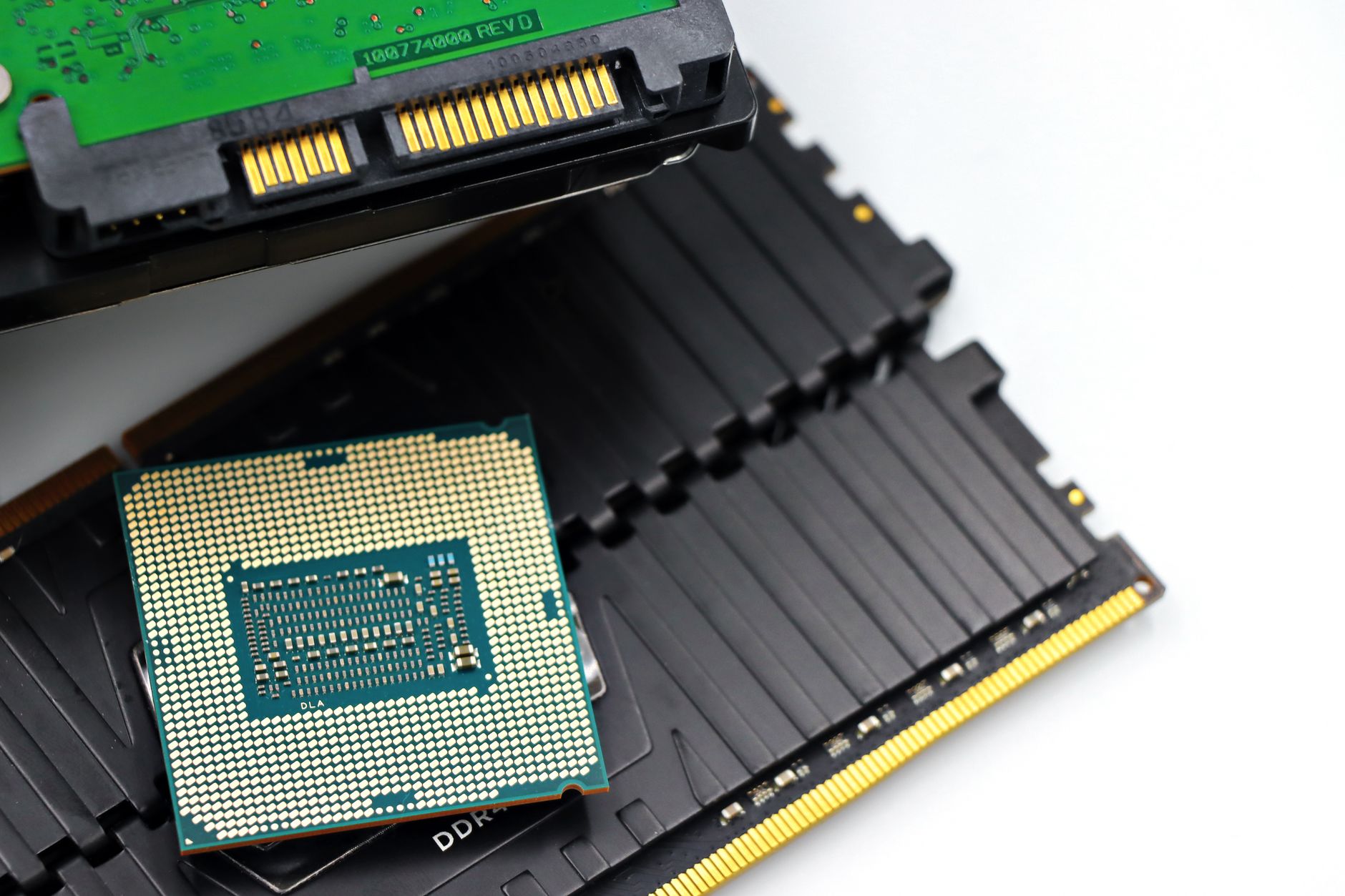
Samsung’s memory and storage roadmap will continue advancing, and data center customers will get faster, denser, more efficient products on a consistent schedule. Whether that momentum ever produces a genuinely affordable DDR5 ecosystem for mainstream PC builders depends less on the technology and more on whether competitive pressure eventually forces prices down – or whether the AI infrastructure boom keeps enterprise demand high enough that Samsung never really has to care.