



A Federal Agency Reorders Its Mission
NOAA announced new agency priorities last week, framing the changes as a commitment to “cutting bureaucracy, modernizing our science, and putting our fishing communities first.” The announcement follows President Donald Trump’s “Restoring American Seafood Competitiveness” executive order, signed in April 2025, and positions the agency’s restructuring as an operational roadmap to fulfill that directive.
What reads as regulatory modernization on paper carries significant downstream consequences for marine ecosystems, according to conservation scientists tracking the changes. The agency’s new direction, critics argue, subordinates fisheries science to commercial yield – a rebalancing that would affect not just fish populations but the broader web of species that depends on healthy ocean habitats.
The Policy Shift, Piece by Piece
The NOAA priority update does not arrive in isolation. In July, the Trump administration formally reduced protections for endangered leatherback turtles, sea lions, and whales – categorizing incidental harm to those species as acceptable collateral in pursuit of expanded ocean commerce. The new NOAA priorities build on that posture at the agency level.
The self-described “operational roadmap” signals that fishing community interests will now sit at the top of NOAA’s priority stack. That ordering matters in practice: when fisheries managers weigh economic access against conservation thresholds, the agency framework determines which interest yields. Shifting that framework changes regulatory outcomes before a single new rule is written.
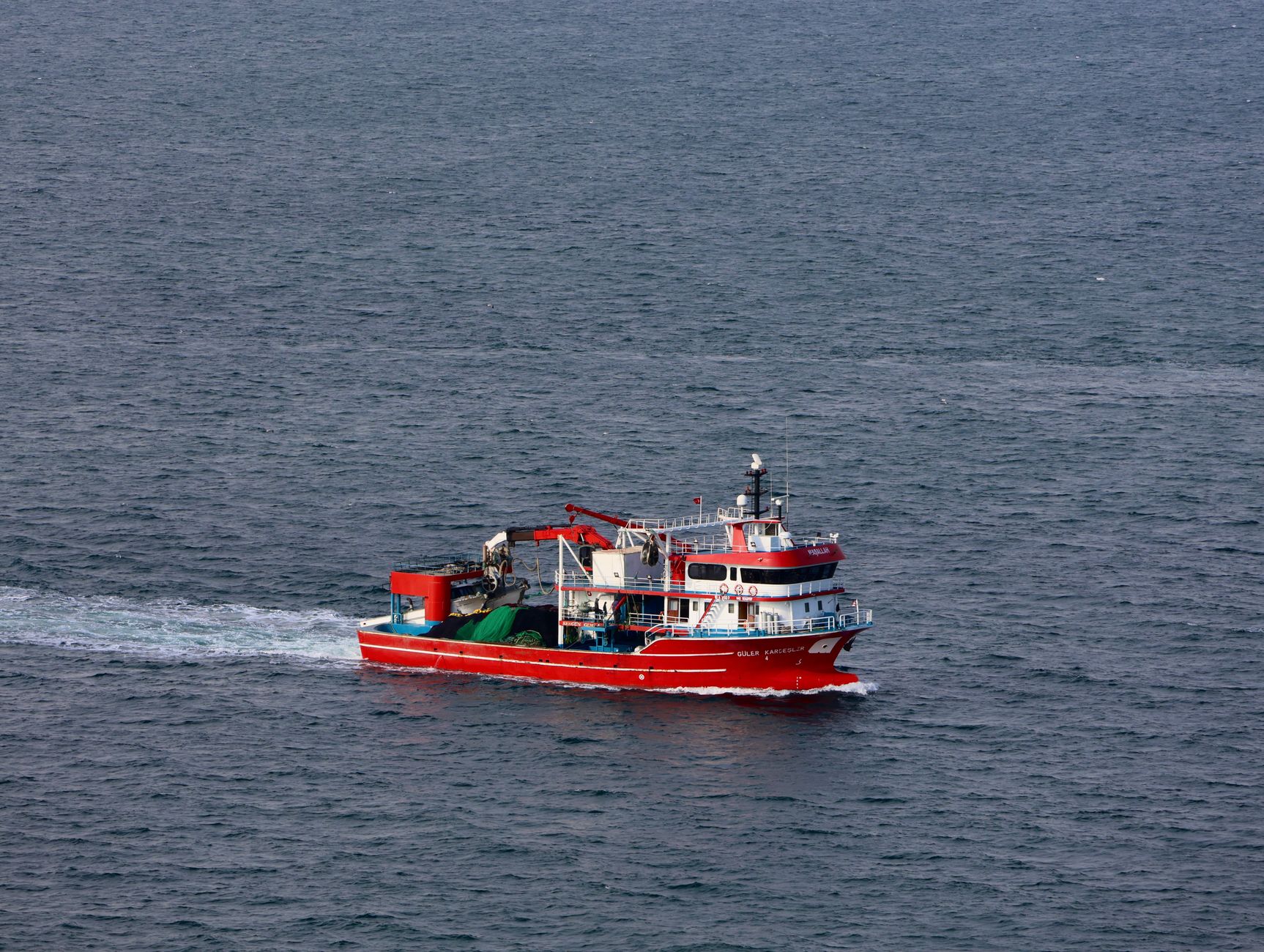
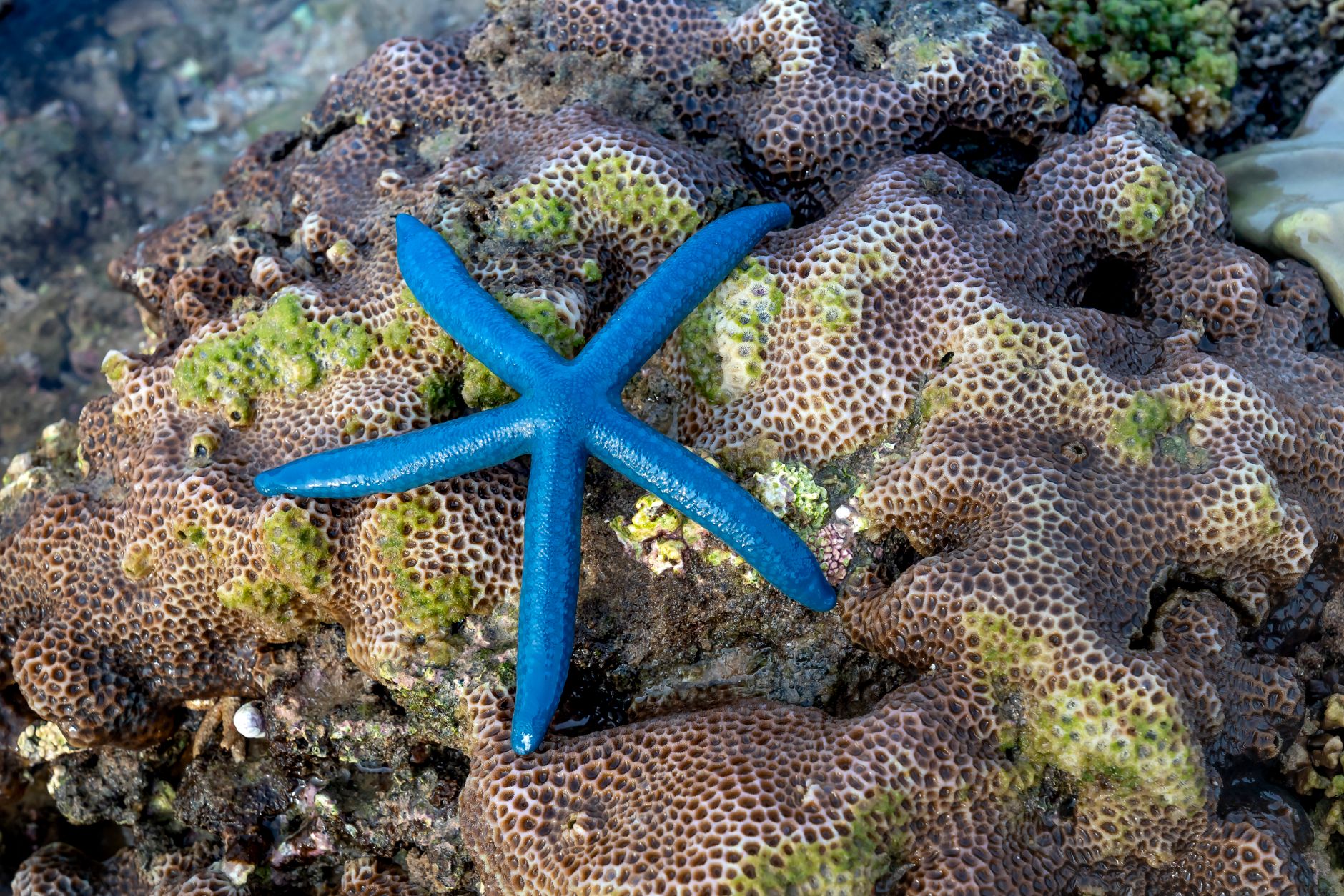
Among the specific concerns raised by those monitoring the changes: fish stocks face erosion under reduced scientific oversight, endangered species encounter increased exposure to commercial gear, and marine habitats become more accessible to bottom trawlers – vessels that drag weighted nets across the seafloor, disrupting sediment layers and destroying slow-growing coral and sponge structures that took decades to form.
Bottom trawling, in particular, has long been a fault line between the commercial fishing industry and marine biologists. The method is efficient at scale and economically attractive to large fishing operations, but its physical impact on seafloor ecosystems is well-documented. Expanding access for trawlers without corresponding scientific guardrails strips away the buffer that kept those impacts bounded.
Science Budgets and Institutional Erosion
Beyond the policy reordering, fisheries science itself is now in the administration’s crosshairs. NOAA’s scientific capacity – the stock assessments, population surveys, and ecosystem monitoring that underpin regulatory decisions – becomes harder to defend institutionally when the agency has publicly reframed its identity around commercial output rather than scientific stewardship.
That framing has real consequences for how resource conflicts get resolved. When NOAA deploys science as a secondary consideration rather than a governing one, the agency’s internal scientists lose standing in disputes with industry representatives over catch limits, seasonal closures, and habitat designations. The bureaucratic weight shifts.
What the Endangered Species Angle Reveals
The July decision to treat leatherback turtles, sea lions, and whales as acceptable losses in commercial fishing operations was not framed as a rollback – it was framed as regulatory relief. That language pattern matters because it shapes how subsequent agency actions get received, both by Congress and by the courts, where legal challenges to these changes are already a predictable next step.
Leatherback sea turtles are among the largest reptiles on Earth and are listed as endangered under the Endangered Species Act. Sea lions and whales carry their own federal protections under the Marine Mammal Protection Act. Granting commercial fishing operations expanded latitude to harm those species requires navigating – or reinterpreting – those statutory frameworks, not simply issuing new agency guidance.
The administration’s approach has been to use executive orders and agency priority memos to establish a policy environment that then shapes how those statutes get interpreted and enforced at the operational level. The “Restoring American Seafood Competitiveness” order, signed in April 2025, is the anchor document for that approach – it gives NOAA its mandate and gives industry advocates a legal hook to push back against conservation-oriented restrictions.

Who Actually Benefits, and at What Scale
The “fishing communities first” language in NOAA’s announcement is worth examining closely. Commercial fishing in the United States is not a monolithic industry. Small-scale, community-based fishermen operating inshore often depend on the same healthy ecosystems that conservation regulations are designed to protect. The structural beneficiaries of reduced oversight and expanded trawling access tend to be larger industrial operations with the capital to scale up rapidly when regulatory pressure eases.
Healthy fish stocks are what make fishing communities economically viable over any meaningful time horizon. Overfishing a stock to its collapse does not benefit the community that fishes it – the history of Atlantic cod, Pacific sardines, and other commercially exploited species illustrates what depletion looks like on the back end. Those collapses do not reverse quickly; some have not reversed at all after decades.
The NOAA priority memo positions itself as serving American seafood competitiveness, but the species listed as acceptable collateral damage – leatherbacks, sea lions, whales – are not the ones impeding fishing yields. They are indicator species for ecosystem health, and their protection has historically functioned as a proxy for the broader conditions that productive fisheries require. The administration has chosen to treat that relationship as bureaucratic overhead.