



Still Standing, Still Charging
Nintendo Switch Online has been a fixture of the Nintendo ecosystem long enough now that most Switch owners have either committed to it or found ways around it. In 2026, with the Switch hardware itself aging and the gaming subscription landscape more competitive than ever, the question of whether Nintendo’s service earns its keep deserves a harder look than it usually gets.
The service still sits at the same core proposition it launched with: pay a recurring fee, get online multiplayer access, and pick up a rotating library of classic games along the way. Whether that deal holds up depends almost entirely on how you use your Switch – and how honest you are with yourself about it.

What You Actually Get
The base Nintendo Switch Online tier covers online play for supported games, cloud save backups, and access to a library of NES and Super NES titles. The Expansion Pack tier – the pricier option – layers on Nintendo 64 and Sega Genesis games, along with add-on content for select titles including the Animal Crossing: New Horizons DLC and the Expansion Pass for Mario Kart 8 Deluxe. On paper, the Expansion Pack sounds like a strong value proposition. In practice, it only makes financial sense if you were planning to buy that DLC anyway.
Cloud saves are genuinely useful, and it’s worth being direct about why: losing dozens of hours of progress in a game like Pokémon Scarlet or Tears of the Kingdom because of a failed system transfer is exactly the kind of catastrophe Nintendo Switch Online protects against. That said, Nintendo’s cloud save system isn’t universal – some games, including certain Pokémon titles historically, have restricted or excluded cloud saves entirely due to the company’s anti-cheat concerns. That inconsistency has frustrated subscribers for years.
The Classic Games Library: Depth vs. Novelty
The NES and SNES libraries have been largely static for some time. Nintendo added titles steadily in the early years of the service, but the pace slowed considerably. By 2026, subscribers who joined in 2019 or 2020 have already worked through most of what genuinely interested them in those catalogs. For a new subscriber today, there’s a deep bench of classics – titles like Super Metroid, Kirby Super Star, The Legend of Zelda: A Link to the Past on SNES, and Punch-Out!!, Super Mario Bros. 3, and Castlevania on NES – but “deep” doesn’t mean “constantly refreshed.”
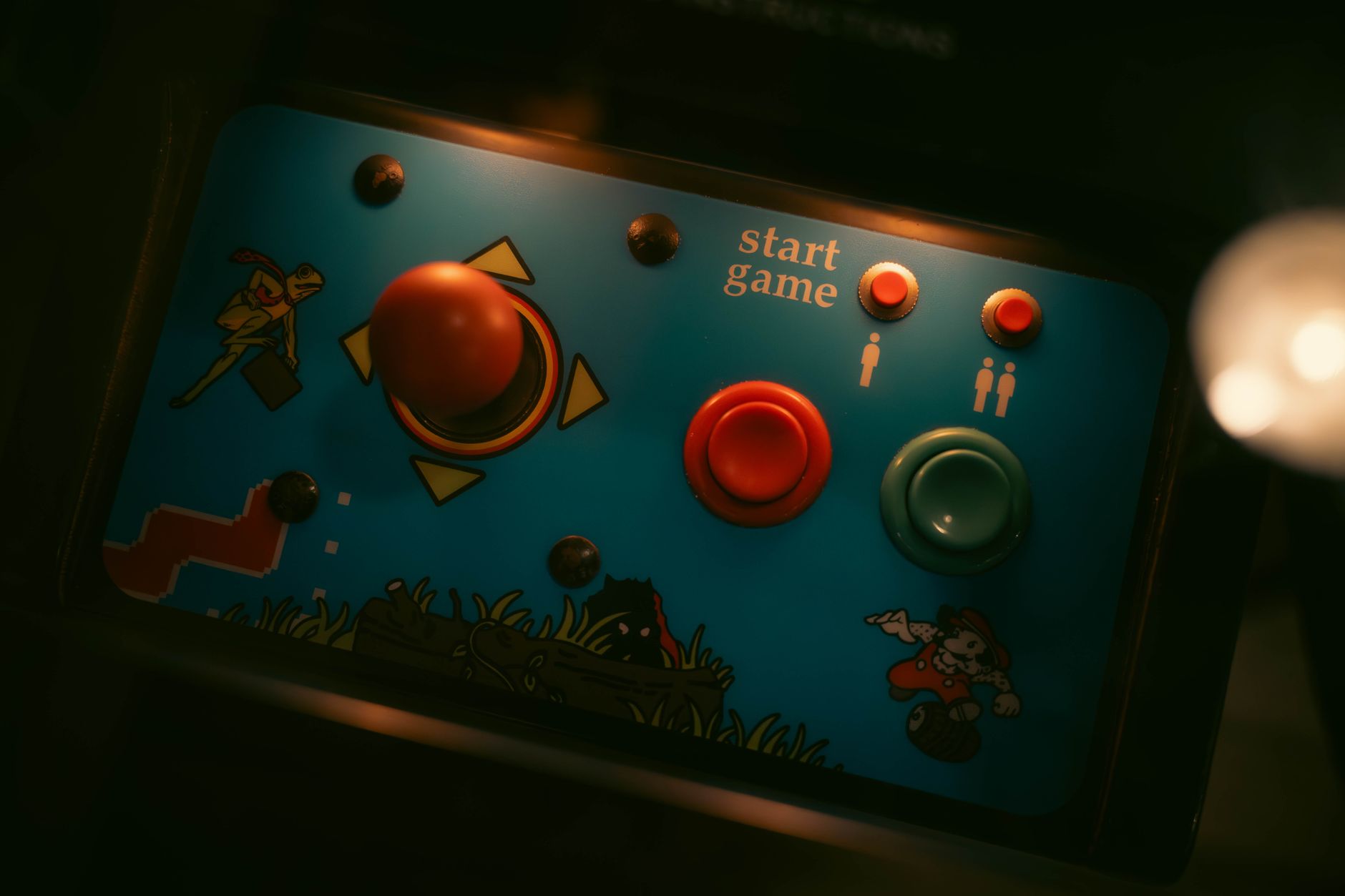
The Nintendo 64 library, locked behind the Expansion Pack, has been one of the more contentious elements of the service. Nintendo has added titles including Banjo-Kazooie, GoldenEye 007, and Pokémon Snap, but the emulation quality drew criticism at launch and required patches to address performance issues. For players who grew up with the N64, the nostalgia factor is real. For anyone else, many of these titles haven’t aged in ways that make them easy to recommend without qualification.
Sega Genesis titles on the Expansion Pack add another dimension – classics like Sonic the Hedgehog 2, Streets of Rage 2, and Castlevania: Bloodlines – but this is also territory where standalone compilations exist. Sega’s own Genesis Classics collection is available on multiple platforms and covers more ground. Nintendo Switch Online’s Sega offerings don’t have exclusive claim to any of these games in a way that makes the service the only path to them.
For Game Boy and Game Boy Advance fans, Nintendo eventually brought titles from both platforms to the service, including Metroid Fusion, The Legend of Zelda: The Minish Cap, and Kirby & The Amazing Mirror from GBA, alongside Game Boy staples like Tetris, the original Pokémon titles in Red and Blue, and Links Awakening DX. The GBA library in particular has been the strongest argument for the service in recent years – emulation is solid, the games hold up, and several of them have never been easy to play legally without original hardware.
The Special Offers section, which gives subscribers access to limited-time discounts and exclusive items in Nintendo’s own store, rounds out the package. These deals are inconsistent in their appeal, and banking a subscription decision on them would be a mistake. Occasionally genuinely good, more often forgettable.
Pricing and the Math Problem
Nintendo Switch Online’s individual plan costs $3.99 per month, $7.99 for three months, or $19.99 per year. The Expansion Pack runs $49.99 per year for an individual, or $79.99 for a family plan covering up to eight accounts. The family plan for the base service is $34.99 per year.
At $19.99 annually, the base service is cheap enough that it’s hard to argue against it if you play online multiplayer with any regularity. Mario Kart 8 Deluxe alone has kept subscriptions active for millions of players. Online play for games like Splatoon 3, Super Smash Bros. Ultimate, and Pokémon titles requires the subscription, and there’s no workaround – this is a hard gate.

Who Should – and Shouldn’t – Subscribe
The straightforward cases first: if you play online multiplayer games regularly, you need Nintendo Switch Online. There’s no version of online Splatoon 3 or Mario Kart that works without it. If your Switch sits docked and offline and you play exclusively single-player games with no interest in the classic library, the service adds almost nothing to your experience. Cloud saves matter if you’re paranoid about data loss or if you switch between multiple devices – and if you’ve ever lost a save file to hardware failure, you already know whether it matters to you.
The Expansion Pack question is harder. $49.99 per year is a real commitment for a catalog that hasn’t expanded dramatically. If you haven’t bought the Animal Crossing: New Horizons Expansion Pass – which retails for $24.99 on its own – or Mario Kart 8 Deluxe’s Booster Course Pass – $24.99 standalone – the Expansion Pack starts to look like an efficient bundle. Own both already? The N64 and Genesis libraries need to carry the remaining value on their own, and that’s a shakier case.
Nintendo has kept Switch Online prices lower than Microsoft’s Xbox Game Pass Core or PlayStation Plus Essential tiers, a fact that works in its favor without making it automatically worth the money. The service reflects a company that built its online infrastructure later than its competitors and has never fully closed that gap – online lobbies are less polished, voice chat is still routed through a separate app on mobile, and the game library additions have slowed. At $19.99 a year for the base tier, those rough edges are tolerable. At $49.99 for the Expansion Pack, the math gets tight, and whether it clears that bar depends on a very specific combination of games you’ve already bought and the ones you haven’t.