
From Crowdfunding Bet to Keyboard Brand
In 2017, Keychron launched on Kickstarter with little more than a bet that typists, coders, and desk enthusiasts would pay for a mechanical keyboard that didn’t look like it belonged in a server room. That bet paid off. Nearly a decade later, the company has grown from a crowdfunding campaign into a recognizable name in the mechanical keyboard market, with a lineup that spans price points and materials.
The mechanical keyboard category itself has quietly refused to die despite membrane keyboards dominating office environments and laptop typing taking over for millions of remote workers. Keychron’s staying power is partly a product of timing and partly a product of range – the company now makes everything from budget-accessible boards to models dressed in actual wood.
What Keychron Actually Sells
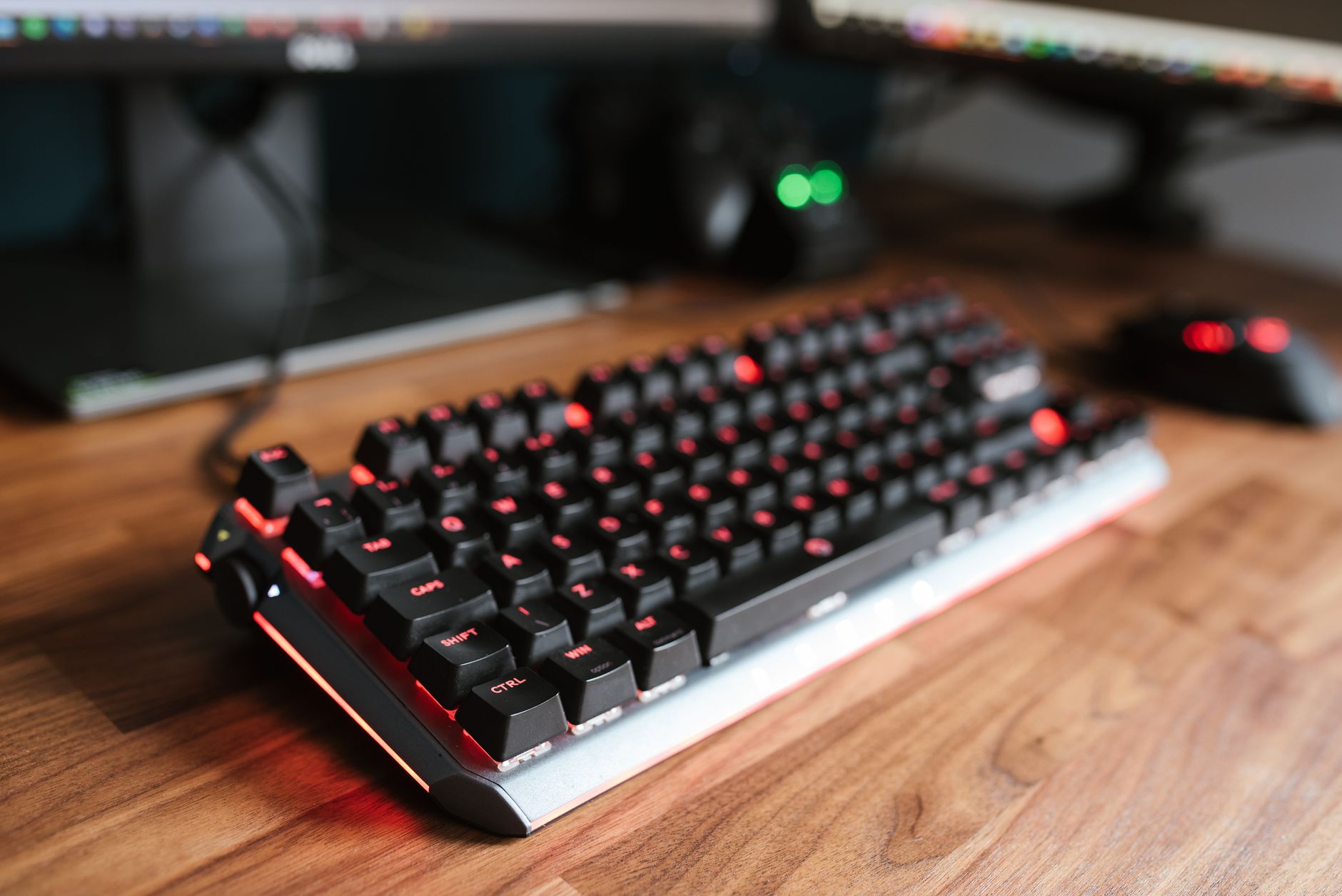
The company’s value-tier K2 model remains one of its anchor products – a compact 75% layout board aimed at buyers who want mechanical switches without spending into premium territory. It sits alongside a growing catalog that includes boards with aluminum frames, wireless connectivity, and hot-swappable switch sockets that let users pull out and replace switches without soldering. These aren’t features that existed at accessible price points when Keychron started.
The all-wood body keyboard is the product that most visibly signals where the company has moved since its Kickstarter days. Wood as a keyboard chassis material is rare – it absorbs sound differently than aluminum or plastic, and it changes the typing feel in ways that are difficult to quantify but immediately obvious to anyone who has used one. It’s a product that exists almost entirely for buyers who have already decided they care deeply about typing feel and aesthetics, not someone picking up their first mechanical board.
Keychron’s catalog strategy reflects something real about who buys mechanical keyboards. The market isn’t homogeneous. There are first-time buyers looking for a straightforward upgrade from a membrane keyboard, enthusiasts chasing specific switch actuation weights and sound profiles, and a smaller but vocal group of buyers for whom the keyboard is closer to a piece of furniture than a peripheral. Keychron has built products aimed at all three without letting any one group define the brand entirely.

Why Mechanical Keyboards Keep Selling
The persistence of mechanical keyboards in a market dominated by slim, near-silent laptop-style boards comes down to feel and longevity. Mechanical switches are rated for tens of millions of keystrokes – Cherry MX switches, one of the most widely used varieties, carry a 100-million-keystroke rating. A membrane keyboard’s rubber dome degrades gradually and unevenly. For anyone typing several thousand words a day, the difference in consistency accumulates fast.
Sound is the other factor, and it’s both what draws buyers in and what irritates their coworkers. The click of a tactile or clicky mechanical switch is a known liability in open offices. It’s also, for many typists, a form of feedback that makes the act of typing feel more deliberate. That tension between personal preference and shared space has fueled an entire sub-market around quieter switches and sound-dampening foam mods – accessories and modifications that Keychron and its competitors sell alongside the boards themselves.
A Kickstarter Origin in a Market That Rewards Longevity
Keychron’s Kickstarter launch in 2017 placed it in a cohort of hardware companies that used crowdfunding not just to raise capital but to validate demand before committing to manufacturing at scale. That approach has become standard practice, but in 2017 it was still a viable differentiator for a small keyboard company entering a market already occupied by brands like Corsair, Razer, and Logitech.
Those larger brands brought distribution muscle and marketing budgets. Keychron competed on product specificity – boards aimed at Mac users with correct modifier key labels, compact layouts that didn’t sacrifice dedicated function rows, wireless options when most enthusiast keyboards were still wired-only. These weren’t accidental choices. They targeted gaps that bigger brands had left open because the mainstream keyboard market didn’t demand them.
The wood-body keyboard is in some ways the clearest signal of where the brand sees itself now. It’s not a product chasing volume. It’s a product making an argument that a keyboard can be an object worth keeping – something closer to a mechanical watch or a cast-iron pan than a commodity peripheral bought because the old one stopped working. Whether that argument resonates beyond a narrow slice of buyers is a different question.
Keychron started as a Kickstarter project competing against companies with decades of market share. It now sells a keyboard made of wood.