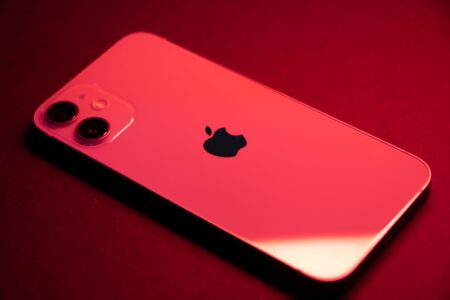



Smart rings are quietly overtaking fitness trackers as the preferred health monitoring device for millions of users worldwide. These sleek, lightweight bands pack advanced sensors into a form factor barely noticeable on your finger, delivering comprehensive health insights without the bulk or daily charging hassles that plague traditional wearables.
The shift represents more than just miniaturization. Smart rings offer continuous monitoring that feels effortless, tracking heart rate variability, sleep stages, body temperature, and activity levels while you forget you’re wearing them. Major brands like Oura, Samsung, and newer entrants are capitalizing on consumer fatigue with chunky smartwatches and fitness bands that demand constant attention.
Market data shows smart ring sales jumped 40% in 2023, while traditional fitness tracker growth stagnated. The appeal lies in their ability to blend seamlessly into daily life while providing medical-grade accuracy for key health metrics that matter most to wellness-conscious consumers.
The Comfort Revolution in Wearable Tech
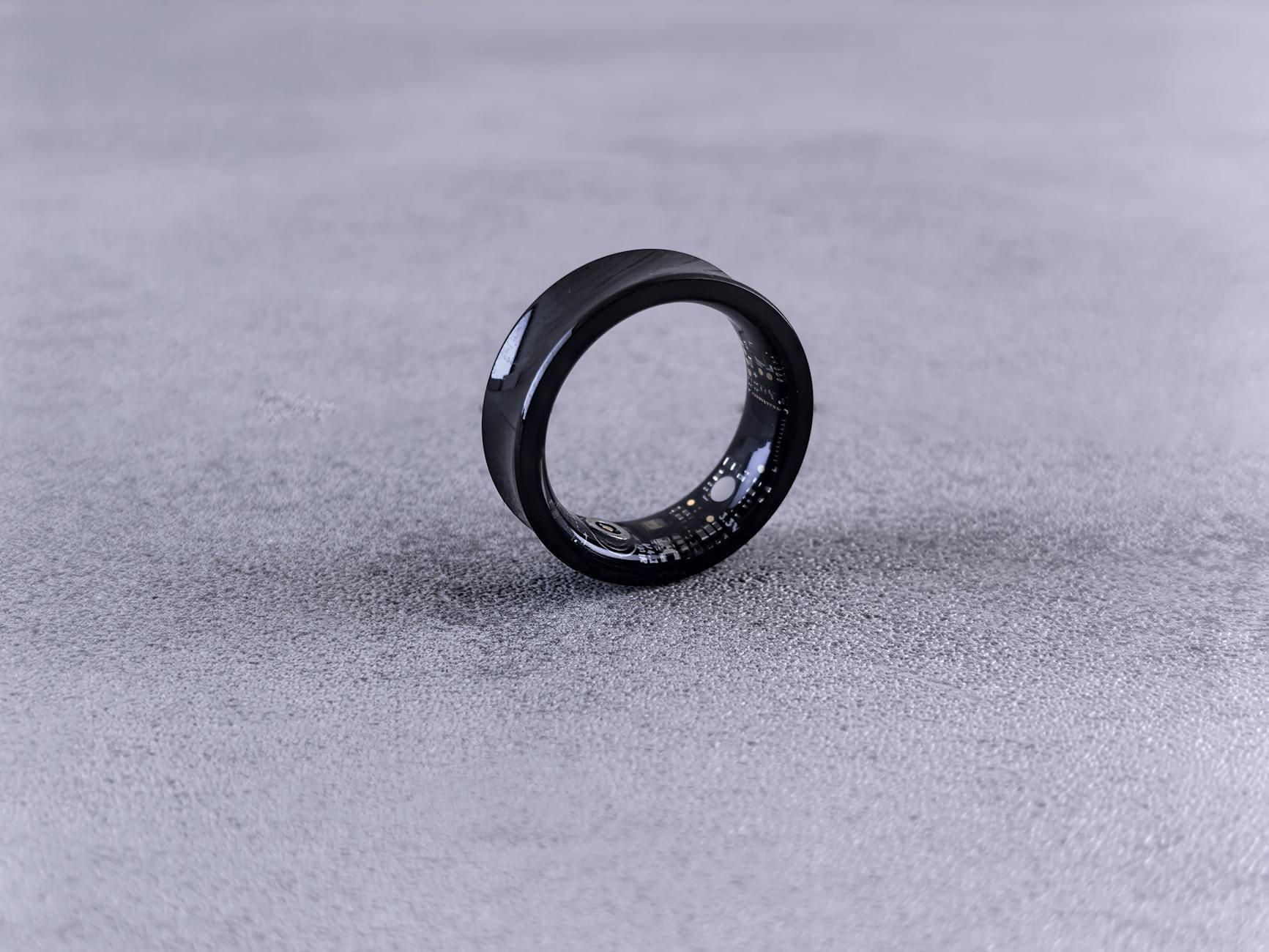
Smart rings solve the fundamental problem that has plagued wearables since their inception: comfort during extended wear. Unlike bulky fitness trackers that create tan lines, interfere with clothing, or feel cumbersome during sleep, rings disappear into your routine.
Oura’s latest generation weighs just 4-6 grams, roughly equivalent to a traditional wedding band. Samsung’s Galaxy Ring, launched in 2024, features titanium construction that’s both durable and hypoallergenic. These devices track the same metrics as $300+ fitness watches but in a package you can wear 24/7 without discomfort.
The sleep tracking advantage is particularly compelling. Fitness trackers often shift during sleep, affecting sensor accuracy and comfort. Rings maintain consistent contact with your finger, delivering more reliable overnight data for heart rate variability, body temperature fluctuations, and sleep stage analysis.
Battery life represents another major upgrade. While most fitness trackers require daily or every-other-day charging, smart rings typically last 4-7 days between charges. The smaller battery actually works in their favor, as reduced screen size and processing demands create impressive efficiency gains.
Advanced Health Monitoring in Miniature Form
The sensor technology packed into smart rings rivals or exceeds what’s found in larger wearables. Photoplethysmography (PPG) sensors measure blood flow patterns to track heart rate and detect irregular rhythms. Advanced models include temperature sensors that can identify early signs of illness or track menstrual cycles.
Heart rate variability monitoring has become a key differentiator. This metric, which measures the variation in time between heartbeats, provides insights into stress levels, recovery status, and overall cardiovascular health. Smart rings excel at HRV tracking because they maintain consistent contact with blood vessels in your finger throughout the day and night.
Body temperature monitoring offers another health advantage that traditional fitness trackers struggle to match. Rings can detect subtle temperature changes that might indicate illness onset, ovulation timing, or recovery status after intense exercise. This continuous thermal monitoring has proven particularly valuable for women tracking reproductive health.
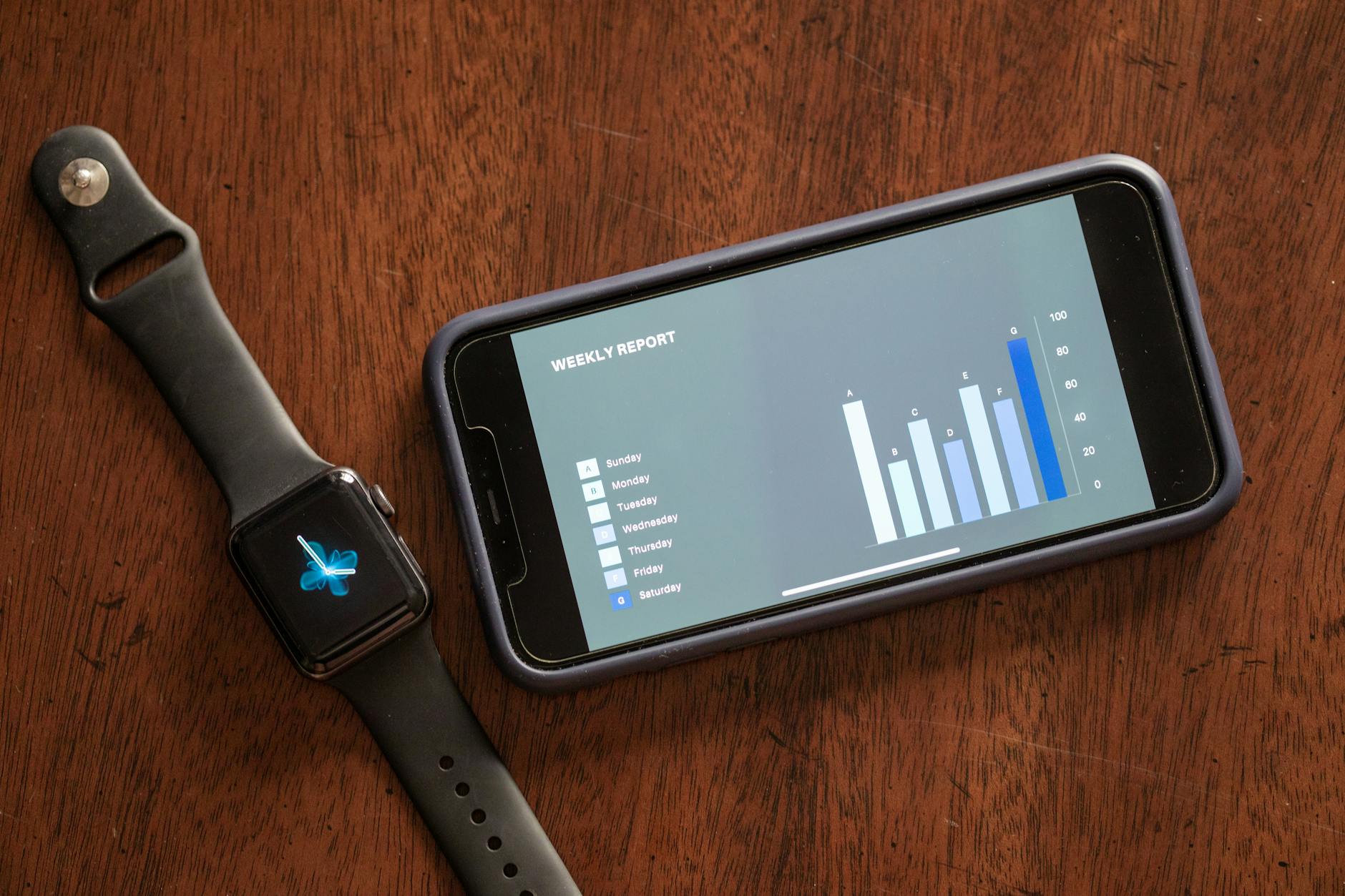
Sleep analysis represents perhaps the strongest selling point for smart rings. The devices track deep sleep, REM cycles, and sleep efficiency with accuracy that rivals medical sleep studies. Unlike wrist-worn trackers that can misinterpret arm movements as wake periods, rings focus on physiological signals that provide cleaner sleep data.
Integration with Modern Wellness Ecosystems
Smart rings connect seamlessly with popular health apps and wellness platforms, creating comprehensive health profiles that go beyond basic step counting. They sync with Apple Health, Google Fit, and specialized platforms like Strava for athletic performance tracking.
The data integration capabilities extend to meditation apps, nutrition trackers, and even smart home systems. Some users report their rings automatically adjusting bedroom temperature based on sleep stage data or sending wellness insights to their healthcare providers for more informed medical consultations.
Professional athletes and wellness influencers have embraced smart rings for their discrete monitoring capabilities. Unlike fitness watches that can interfere with certain activities or create distractions, rings allow for uninterrupted performance while still capturing detailed biometric data.
The fashion element shouldn’t be underestimated. Smart rings come in multiple finishes and sizes that complement personal style choices. This aesthetic flexibility has opened wearable health technology to users who previously avoided fitness trackers due to their sporty, technical appearance.
Market Competition and Future Innovations
The smart ring market has attracted significant investment and competition as major tech companies recognize the category’s potential. Samsung’s entry validates the market beyond Oura’s early dominance, while companies like Amazfit and RingConn are introducing more affordable alternatives.
Price points remain higher than basic fitness trackers, with most smart rings ranging from $200-400. However, the total cost of ownership often favors rings when factoring in their longer lifespan, reduced charging frequency, and lower likelihood of damage from daily wear.
Upcoming innovations include expanded health monitoring capabilities, with some manufacturers exploring blood oxygen monitoring, glucose level indicators, and even more sophisticated sleep apnea detection. The technology roadmap suggests smart rings will continue expanding their health monitoring scope while maintaining their core advantage of comfort and discretion.
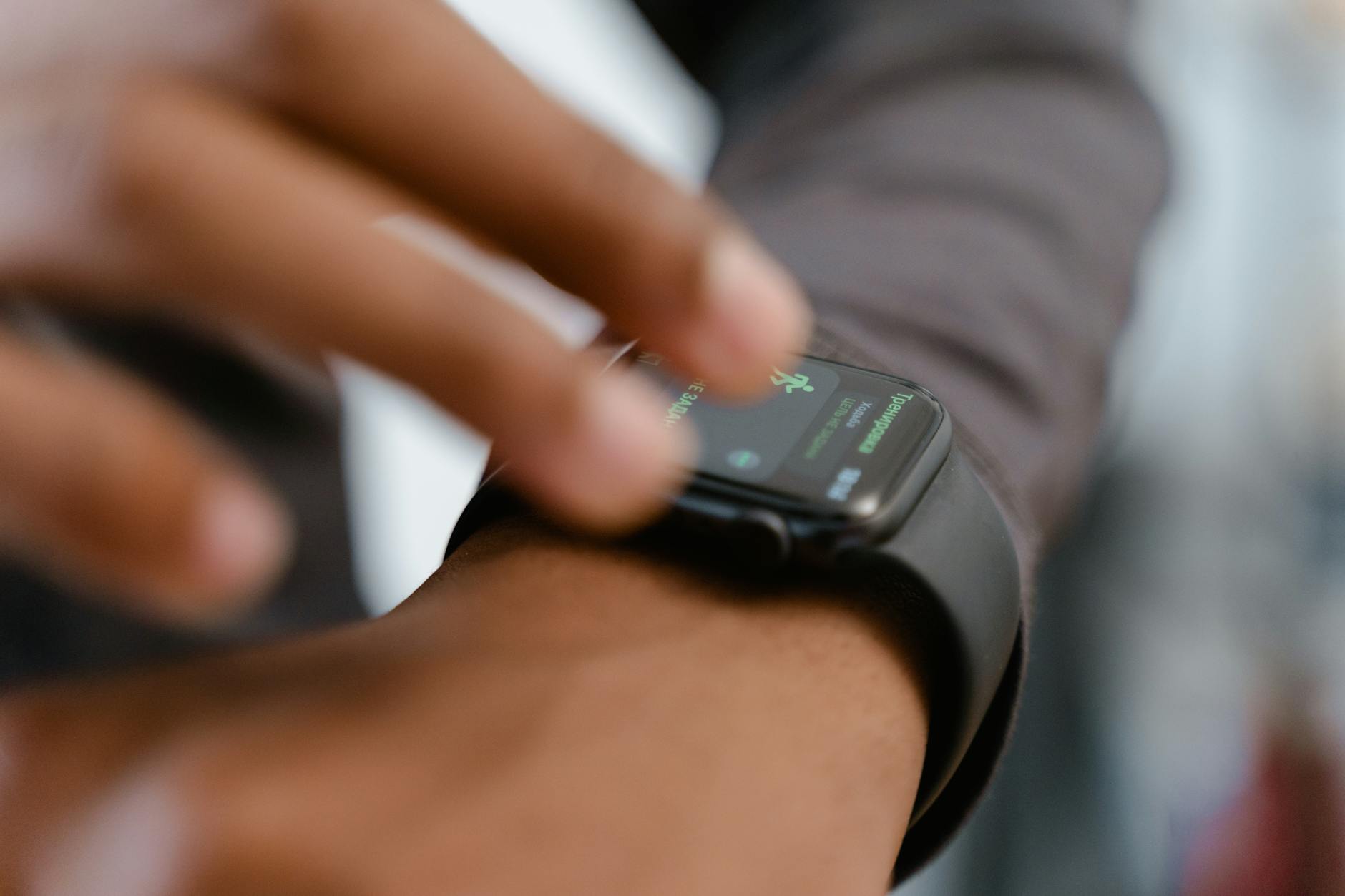
Integration with other smart devices is evolving rapidly. Future rings may unlock cars, authenticate payments, or control smart home systems through simple gestures. This convergence of health monitoring and digital convenience creates compelling value propositions that extend beyond fitness tracking.
The shift toward smart rings reflects broader consumer preferences for technology that integrates naturally into daily life rather than demanding constant interaction. As health consciousness continues rising and wearable technology matures, these miniature monitoring devices are positioned to become the dominant form factor for personal health tracking.
Smart rings represent the next evolution in health monitoring technology, offering comprehensive insights without the compromises that have limited fitness tracker adoption. Their success suggests the future of wearable health tech lies not in adding more features to bulky devices, but in perfecting essential functions within increasingly elegant and comfortable form factors.
Frequently Asked Questions
How accurate are smart rings compared to fitness trackers?
Smart rings often provide more accurate data due to consistent finger contact and advanced sensors that rival medical-grade devices.
How long do smart ring batteries last?
Most smart rings last 4-7 days between charges, significantly longer than daily-charging fitness trackers.