



A hurricane that once caught forecasters completely off guard now gets tracked with pinpoint precision days before landfall. The difference? Machine learning algorithms that process millions of atmospheric data points in seconds, transforming weather prediction from educated guesswork into scientific precision.
Traditional weather forecasting relied on mathematical models that took hours to run and often missed crucial atmospheric patterns. Today’s AI-powered systems analyze satellite imagery, ocean temperatures, wind patterns, and historical data simultaneously, delivering forecasts that were unimaginable just a decade ago.
The National Weather Service reports that five-day forecasts now match the accuracy of three-day forecasts from the 1990s. This leap forward stems directly from machine learning’s ability to identify complex atmospheric relationships that human meteorologists and traditional computer models simply cannot detect.
Deep Learning Transforms Satellite Data Analysis
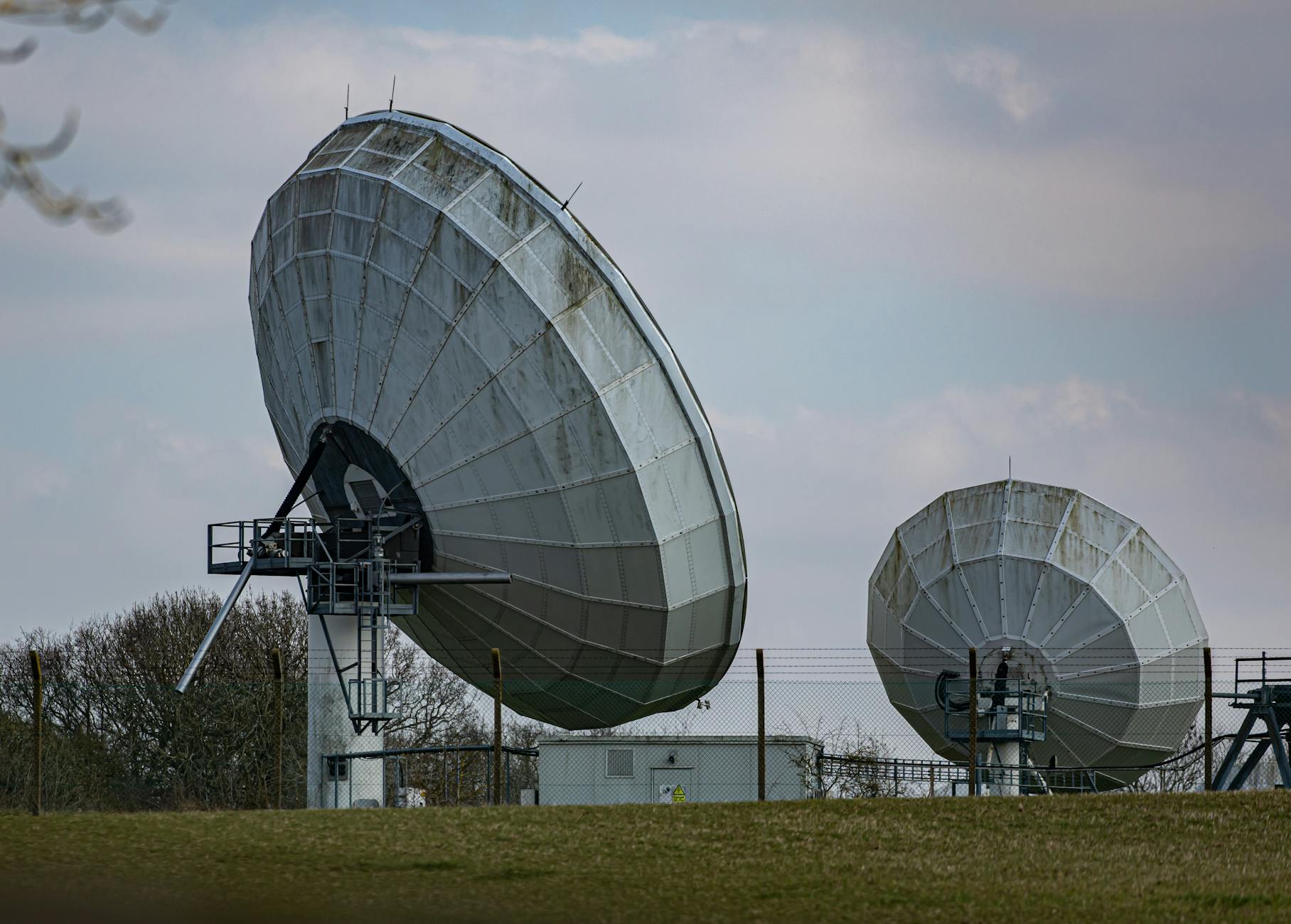
Weather satellites generate terabytes of imagery daily, far more than human analysts could process. Machine learning algorithms now scan these images automatically, identifying cloud formations, storm systems, and atmospheric anomalies in real-time.
Google’s DeepMind developed an AI system that predicts precipitation up to two hours in advance with remarkable accuracy. The system analyzes radar data patterns and learns from thousands of storm events, recognizing subtle indicators that traditional forecasting methods miss.
European Centre for Medium-Range Weather Forecasts uses neural networks to process data from over 40 satellites simultaneously. These networks identify temperature variations, humidity changes, and wind shear patterns across the globe, feeding this information into comprehensive weather models.
The breakthrough comes from convolutional neural networks that excel at pattern recognition. These systems can spot the early formation of tornadoes, hurricanes, and severe thunderstorms hours before conventional methods, giving communities crucial extra time to prepare.
Artificial Intelligence Enhances Extreme Weather Prediction
Hurricane forecasting represents perhaps the most dramatic improvement in weather prediction accuracy. IBM’s GRAF (Global High-Resolution Atmospheric Forecasting) system uses machine learning to predict storm paths and intensity changes with unprecedented precision.
The AI analyzes ocean surface temperatures, atmospheric pressure gradients, and upper-level wind patterns simultaneously. Traditional models struggle with rapid intensification events where hurricanes suddenly strengthen, but machine learning algorithms recognize the subtle environmental conditions that trigger these dangerous developments.
Tornado prediction benefits enormously from AI pattern recognition. Machine learning systems analyze Doppler radar signatures and atmospheric conditions to identify supercell formations hours before tornado development. The National Severe Storms Laboratory reports that AI-enhanced warnings now provide an average of 13 minutes advance notice, compared to traditional warnings of just 3-4 minutes.

Flash flood prediction also improves dramatically with machine learning. These systems combine rainfall data, soil moisture levels, topographic information, and urban drainage capacity to predict flooding with neighborhood-level precision. Cities like Houston and Miami use AI-powered flood warning systems that help emergency responders position resources before disasters strike.
Real-Time Data Processing Creates Hyper-Local Forecasts
Machine learning excels at processing massive datasets in real-time, enabling hyper-local weather predictions that traditional methods cannot match. Smartphone apps now provide block-by-block rainfall predictions, while agricultural services offer field-specific frost warnings.
Weather companies like The Weather Company and AccuWeather use machine learning to analyze data from weather stations, aircraft sensors, connected vehicles, and even smartphone barometric pressure readings. This creates a dense network of real-time atmospheric observations that feeds AI prediction models.
Smart city initiatives leverage machine learning for urban weather management. San Francisco uses AI-powered fog prediction to manage bridge operations and airport traffic. Phoenix employs machine learning to predict dust storms that can shut down freeways and disrupt air travel.
The aviation industry benefits tremendously from AI weather prediction. Airlines use machine learning systems to route flights around turbulence and severe weather more effectively than ever before. These systems analyze upper-level wind patterns, convective activity, and atmospheric stability to identify optimal flight paths in real-time.
Similar to how Microsoft’s AI systems revolutionize archaeological research through pattern recognition, weather prediction AI identifies atmospheric patterns invisible to human observers.
Machine Learning Addresses Climate Change Challenges
Climate change creates new weather patterns that traditional forecasting models struggle to predict. Machine learning adapts continuously, learning from each extreme weather event to improve future predictions.
AI systems now track unprecedented phenomena like atmospheric rivers, polar vortex disruptions, and heat dome formations. These weather patterns were rare historically but occur more frequently due to climate change. Machine learning algorithms excel at recognizing these emerging patterns because they learn from current data rather than relying solely on historical averages.
Seasonal forecasting improves dramatically with AI analysis of global climate indicators. Machine learning systems track El Niño and La Niña patterns, Arctic ice coverage, and ocean temperature anomalies to predict seasonal weather trends months in advance. Farmers, energy companies, and water management agencies rely on these long-range forecasts for planning.

The integration of machine learning with traditional meteorology creates hybrid forecasting systems more powerful than either approach alone. Human meteorologists provide crucial context and local knowledge, while AI systems process vast datasets and identify subtle patterns. This collaboration produces the most accurate weather predictions in history.
Looking ahead, machine learning will continue revolutionizing weather prediction as computing power increases and new data sources emerge. Quantum computing may eventually enable AI systems to model individual cloud droplets and air molecules, creating weather predictions of unprecedented precision. The marriage of artificial intelligence and atmospheric science promises to protect lives and property through increasingly accurate forecasts of our planet’s ever-changing weather patterns.
Frequently Asked Questions
How accurate are AI weather predictions compared to traditional forecasting?
AI-enhanced five-day forecasts now match the accuracy of three-day forecasts from the 1990s, representing a dramatic improvement in prediction reliability.
What weather events can machine learning predict better than traditional methods?
Machine learning excels at predicting hurricanes, tornadoes, flash floods, and extreme weather events by analyzing complex atmospheric patterns humans cannot detect.