


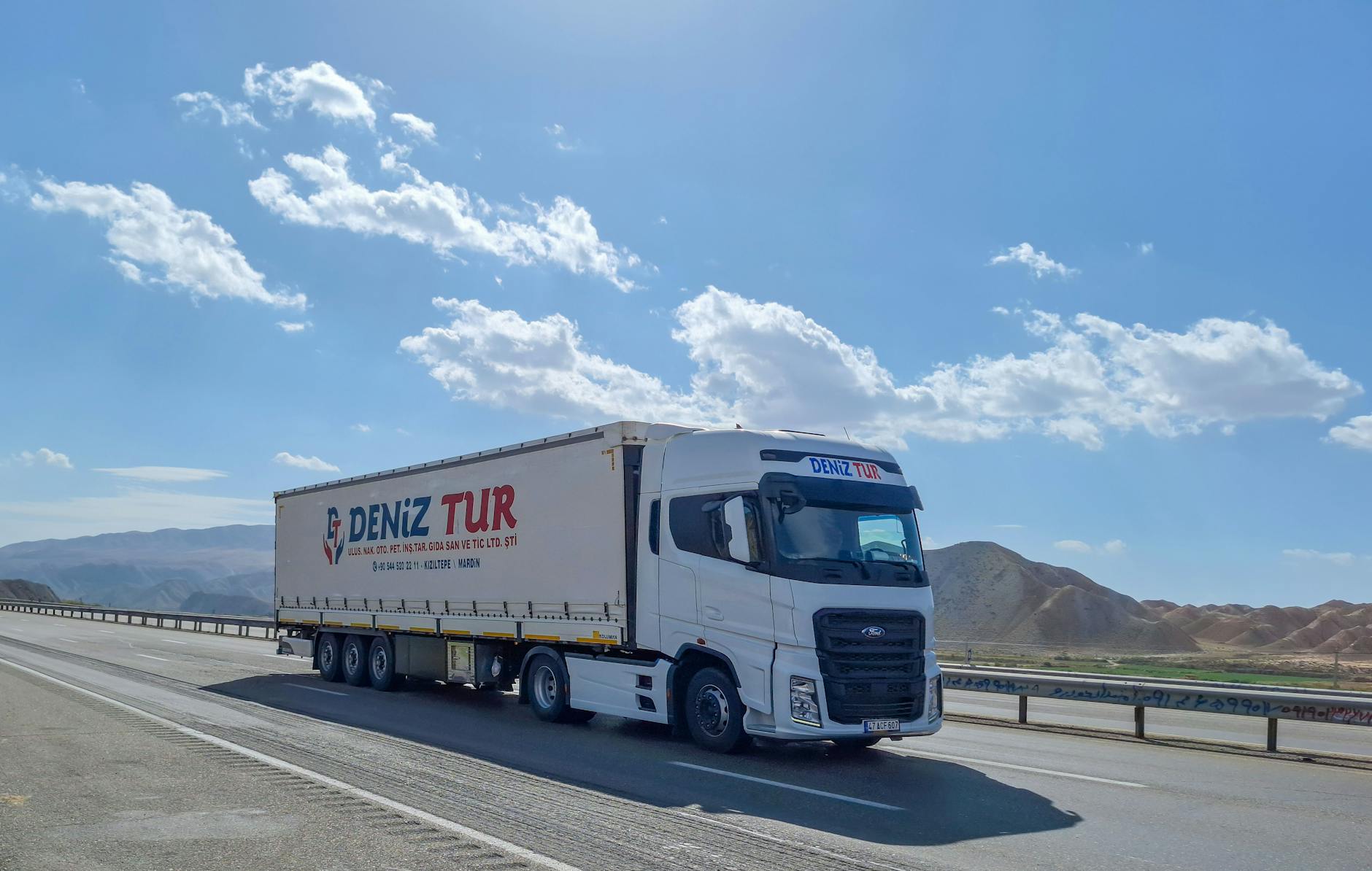
Vehicle fleets are becoming inadvertent infrastructure inspectors as artificial intelligence transforms ordinary commercial trucks and delivery vans into sophisticated road condition sensors. Fleet management company Samsara has engineered an AI system that identifies various types of road damage and tracks their progression over time.
The technology represents a shift from reactive maintenance to predictive infrastructure management. Rather than waiting for citizen complaints or scheduled inspections, municipal authorities could receive real-time data about road conditions from thousands of commercial vehicles traversing their streets daily.
Beyond Simple Detection
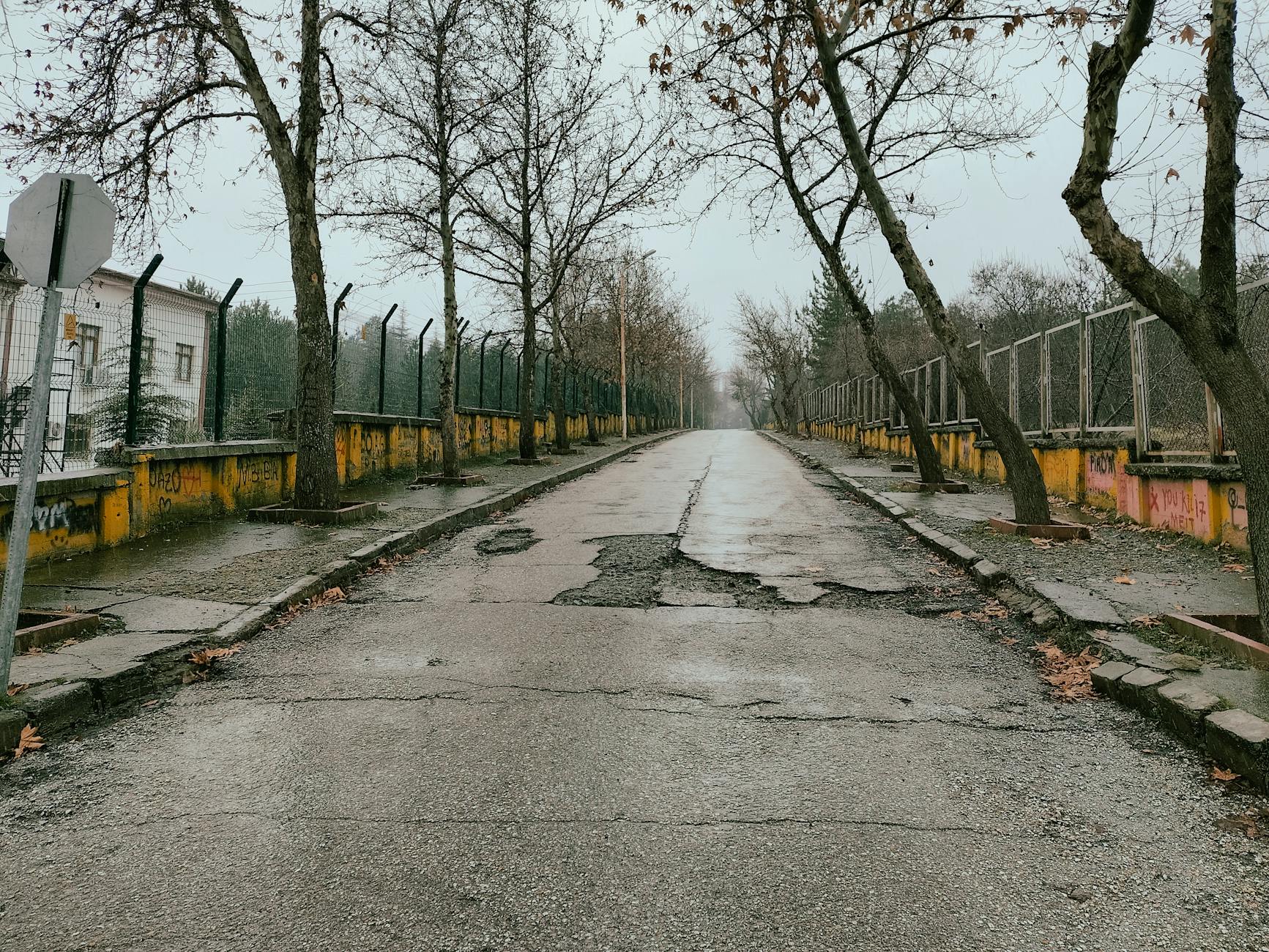
Samsara’s AI model distinguishes between different categories of road damage, from surface cracks to deep potholes. The system doesn’t merely flag problem areas – it assesses deterioration rates, providing transportation departments with data on which issues require immediate attention versus those that can wait for scheduled maintenance cycles.
This granular analysis could reshape how cities allocate their limited road repair budgets. Instead of addressing the loudest complaints first, departments could prioritize based on actual severity and progression data collected from vehicles operating across their entire road network.
Commercial Fleet Integration
The implementation relies on existing fleet hardware rather than requiring new sensor installations. Samsara’s connected vehicle platform already monitors factors like driver behavior, fuel efficiency, and maintenance schedules across thousands of commercial fleets. Adding road condition detection builds on this established infrastructure.
Fleet operators gain indirect benefits from the technology as well. Vehicles equipped with the system can help companies track which routes cause the most wear on their vehicles, potentially influencing route planning decisions. Delivery companies running the same routes repeatedly could document how road conditions affect their operational costs over time.
The data collection happens automatically during normal business operations. Drivers don’t need additional training or equipment – the AI processes information from sensors already integrated into modern commercial vehicles. This passive collection method means the system gathers data continuously rather than during periodic inspection drives.
Municipal adoption could accelerate as cities recognize the value of crowd-sourced infrastructure monitoring. Rather than deploying dedicated inspection teams to cover thousands of miles of roads, transportation departments could access condition reports from commercial vehicles that naturally traverse their entire network multiple times per day.
Data Accuracy Challenges
The effectiveness of AI-based road condition assessment depends heavily on training data quality and environmental factors. Weather conditions, vehicle load weights, and suspension systems all influence how sensors detect road imperfections. Samsara’s model must account for these variables to avoid false positives that could overwhelm maintenance departments with inaccurate reports.
Different vehicle types may detect the same pothole differently based on their weight, speed, and suspension characteristics. A loaded delivery truck might register a road defect that a lighter vehicle would barely notice, requiring the AI to calibrate its assessments based on vehicle specifications.
Infrastructure Investment Implications
Transportation agencies operating with shrinking budgets could use this data to make more strategic repair decisions. Rather than addressing visible damage reactively, departments could identify problem areas before they become safety hazards or require expensive reconstruction instead of simple patching.
The technology also provides documentation for infrastructure funding requests. Cities seeking federal or state road improvement grants could present detailed deterioration data rather than relying on estimates or limited inspection reports. This evidence-based approach might strengthen funding applications in competitive grant processes.
Private sector adoption could extend beyond fleet management companies. Ride-sharing services, logistics providers, and even insurance companies might find value in road condition data. Insurance providers could potentially use this information to adjust premiums based on the actual road conditions their policyholders navigate daily. Will municipal authorities embrace this shift from scheduled inspections to continuous, AI-powered monitoring?