



Google’s Fitbit Returns With a Different Kind of Wearable
The Fitbit Air arrives at a moment when the wearable market has quietly split into two camps: devices built around screens and notifications, and devices built entirely around health data. Fitbit, now operating firmly under Google’s umbrella, has planted its flag in the second category with a tracker that strips away the display and leans into software-driven health intelligence instead. The result is a device that positions itself directly against Whoop and a small but growing category of screenless fitness wearables.
What makes the Fitbit Air worth paying attention to is not any single feature in isolation, but how its hardware, software, and price point work together to form a coherent package.
That combination – solid build quality, a comprehensive health platform, and competitive pricing – is exactly what has kept Whoop dominant in this niche for years. Now there is a credible alternative.
Hardware That Earns Its Price Tag
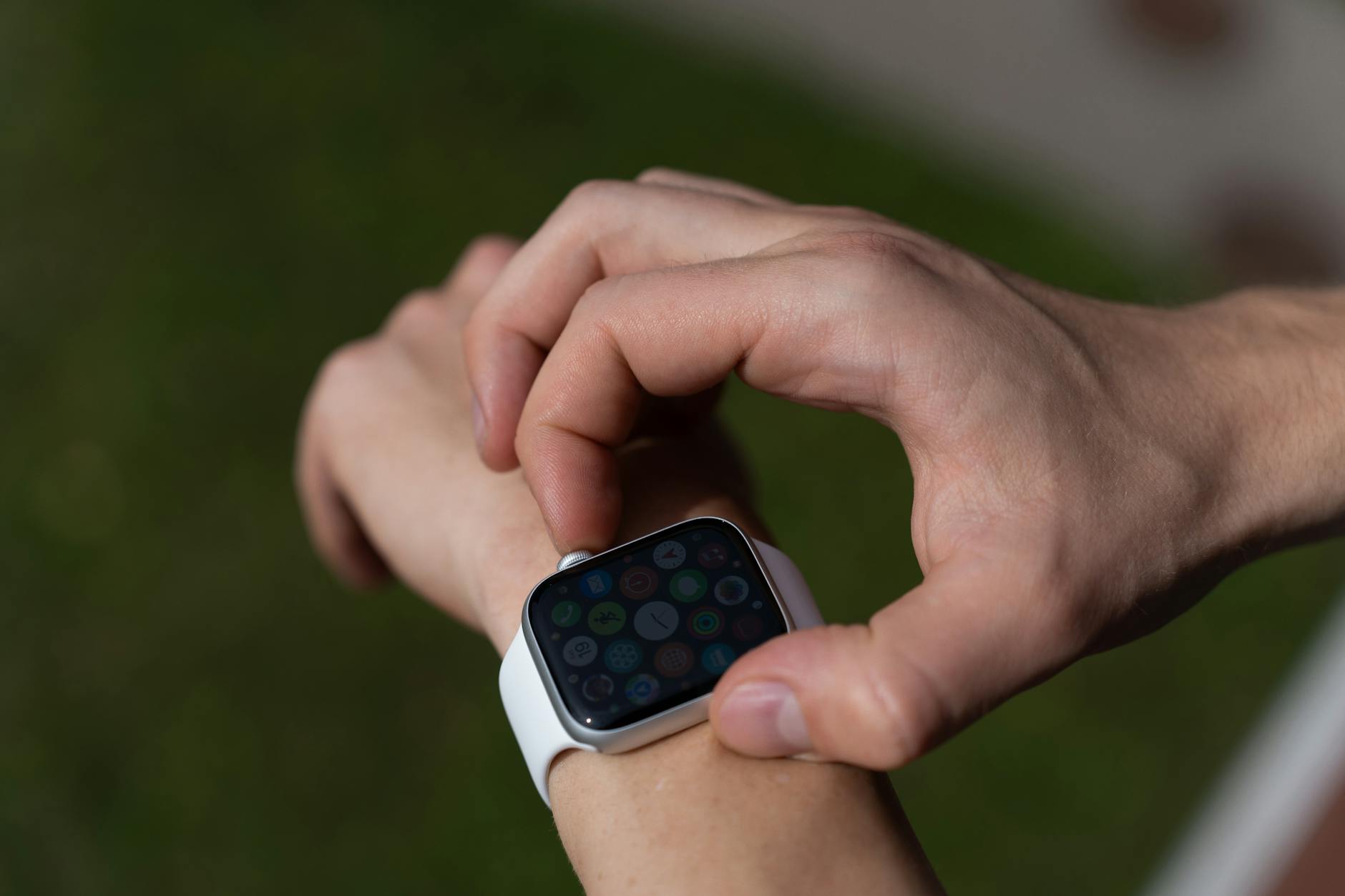
The Fitbit Air’s physical construction reflects the kind of build quality that justifies asking someone to wear something on their wrist every hour of every day. Screenless trackers live and die by comfort and durability in a way that smartwatches simply do not – when there is no display to interact with, the band itself becomes the entire physical experience. If it is uncomfortable at 3 a.m. or awkward during a heavy lift, the device fails at its core job regardless of what the app shows afterward.
Fitbit’s history with wearable hardware goes back further than almost any competitor in this space, and that experience shows in how the Air is put together. The form factor follows the screenless tracker template that Whoop popularized: a compact sensor module with a replaceable band, designed to be forgotten on the wrist rather than checked and tapped throughout the day. There are no buttons to press, no faces to swipe. You wear it, and it works.
The sensor array covers the health tracking fundamentals that define this product category – the kind of physiological monitoring that generates the recovery scores, sleep analysis, and strain metrics that screenless tracker users actually care about. Google’s hardware resources backing a Fitbit product means the Air is not starting from scratch on sensor reliability, which has historically been one of the weaker points for challenger devices trying to undercut Whoop.
Where Google’s AI Ambitions Actually Land
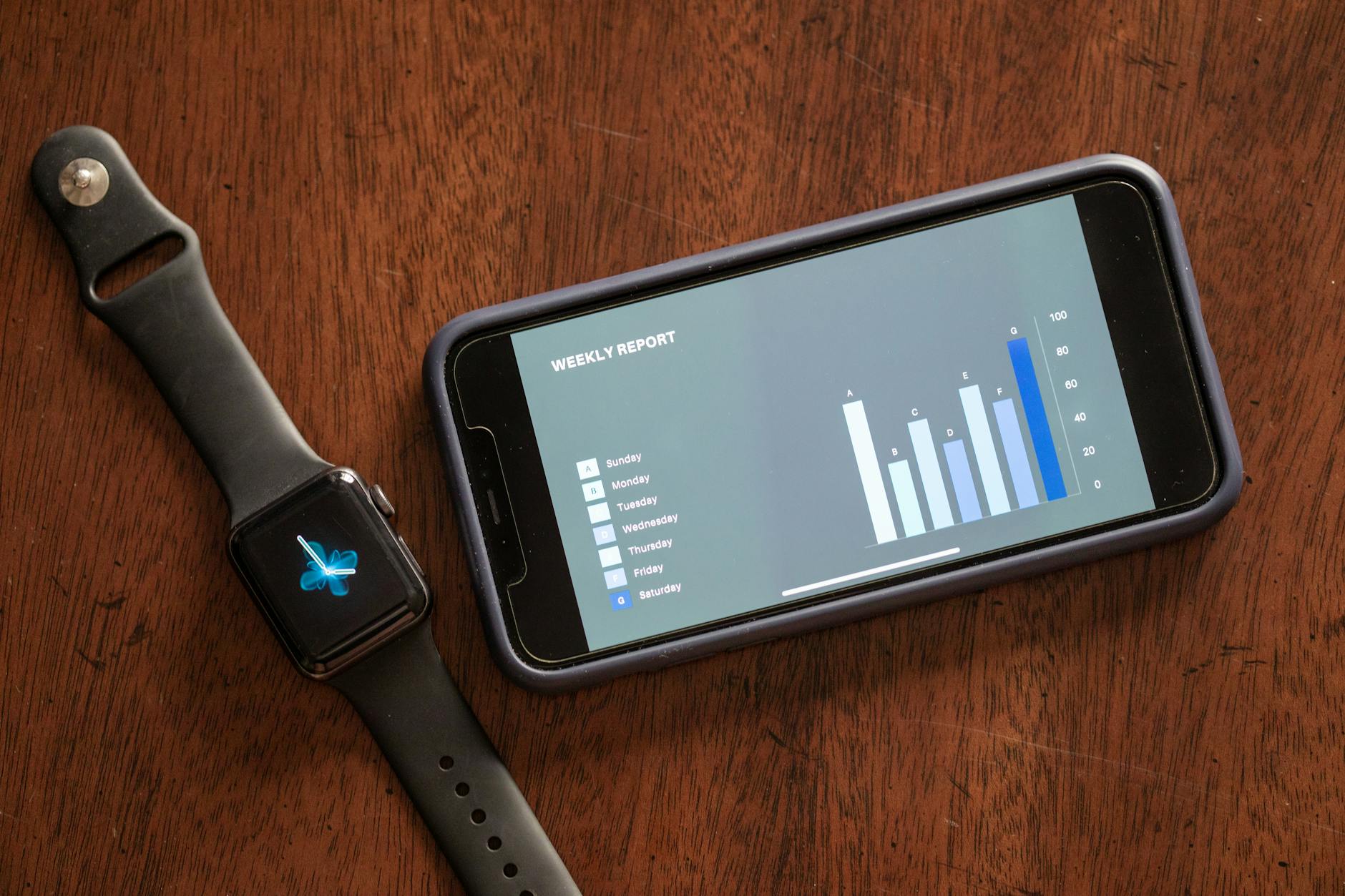
The software side of the Fitbit Air is where Google’s ownership becomes most visible – and most relevant. The device is being positioned as a health tracker for what Google is framing as an AI generation, which in practice means the companion app does significantly more than display raw numbers. Rather than leaving users to interpret their own heart rate variability trends or sleep stage data, the platform applies AI-driven coaching to translate that data into guidance.
This is the strategic ground where the Fitbit Air distinguishes itself most clearly from Whoop. Both products are built around the same core premise: collect detailed physiological data continuously, then surface actionable insights. But Google’s investment in AI infrastructure gives Fitbit a different kind of coaching layer, one that can draw on broader health modeling and, eventually, integration with the wider Google Health ecosystem. For users already embedded in Google’s platforms, that connectivity has real value – health data that doesn’t sit in a silo but connects to a larger picture of personal wellness.
The comprehensive software package also addresses one of the persistent criticisms of screenless trackers: that they work well for athletes and biohackers but leave casual users staring at numbers they don’t know what to do with. An AI coaching layer changes that dynamic. When a recovery score comes back low, the app doesn’t just show a number – it explains why and suggests what to do about it. That shift from data display to data interpretation is where the Fitbit Air makes its clearest argument for its own existence.
Competitive Pricing Changes the Conversation
Whoop’s subscription model has long been the defining friction point for anyone curious about screenless health tracking. The hardware is essentially free, but the ongoing cost adds up, and that cumulative expense puts the category out of reach for a meaningful portion of potential users. The Fitbit Air’s competitive pricing structure attacks that friction directly.

Fitbit has Google’s scale behind it, which creates real pricing leverage that a standalone company like Whoop simply cannot match. Whether the Fitbit Air’s pricing translates to a lower total cost of ownership over one or two years depends on the specifics of its own subscription or one-time purchase structure – but the positioning as a competitive alternative to Whoop on price is a deliberate signal about where Fitbit sees the opening in this market.
The screenless tracker category has stayed niche partly because of that cost barrier, and partly because Whoop has had so little serious competition. A well-resourced rival with strong hardware, a capable AI coaching platform, and pricing designed to undercut the market leader is a different kind of challenge than anything Whoop has faced before. The Fitbit Air is not chasing the Apple Watch or the Galaxy Watch – it is coming specifically for the recovery-tracking, sleep-obsessed, performance-monitoring user who decided a screen was a distraction rather than a feature.
Whether that user switches from Whoop, or whether the Fitbit Air brings new people into the category entirely, is the question that will define how this product actually performs in the market – and Google has enough patience and resources to find out.