



A River Too Warm to Cool a Reactor
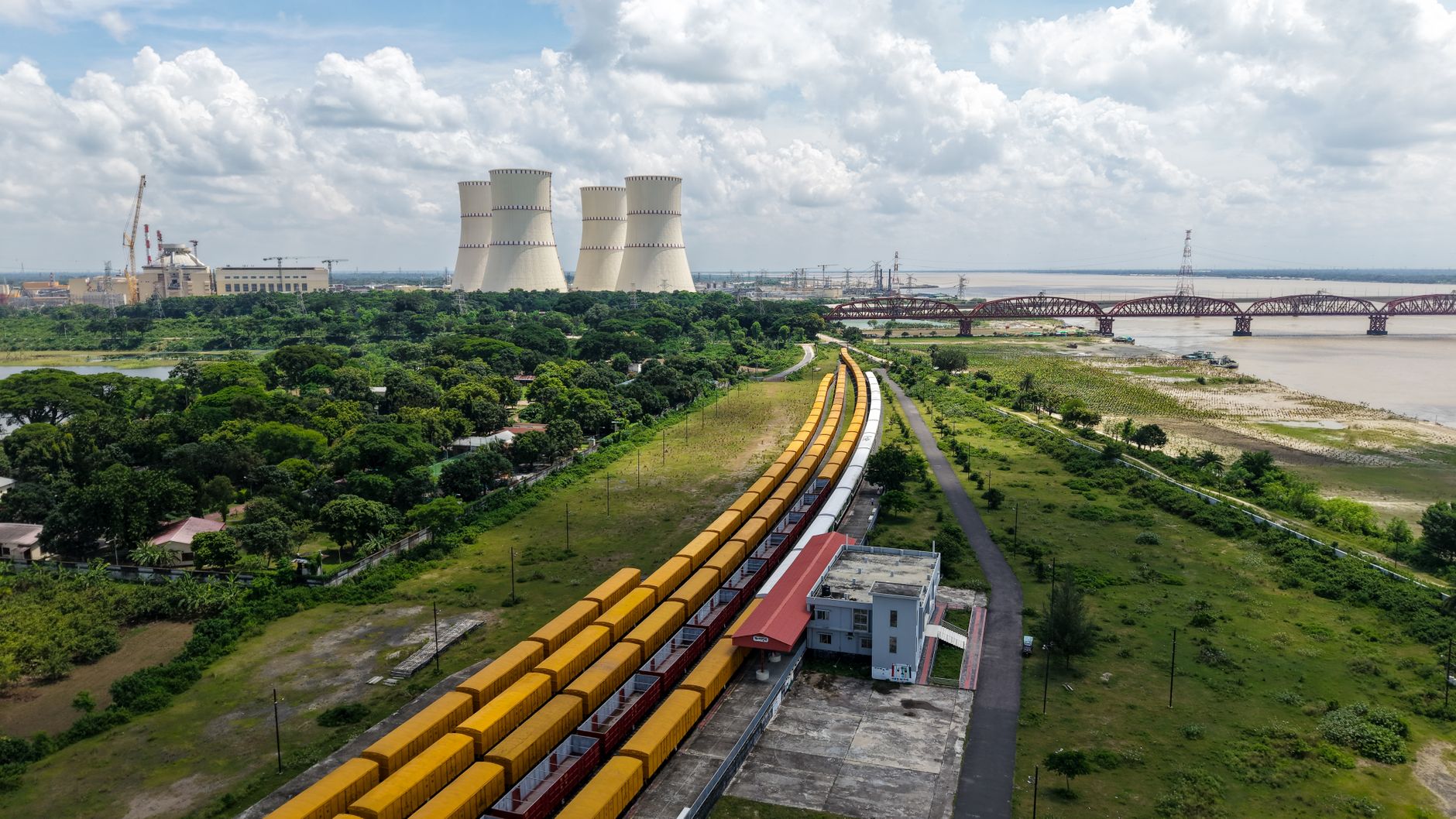
At 11:45 p.m. on June 22, unit two at the Golfech nuclear power plant in southern France went offline. The Garonne River, which the plant draws from for cooling, had reached temperatures approaching 28°C (82°F) – warm enough to violate French regulations governing the temperature of water returned to natural waterways. The shutdown wasn’t an emergency failure. It was a compliance call, with EDF spokesperson Brid Nelligan describing it as a precautionary measure. But it was also a preview of what the rest of the week would bring.
June 23 became France’s hottest day since record-keeping began in 1947, with temperatures climbing past 44°C (111°F). Overnight lows stayed abnormally high, keeping river temperatures elevated and removing the nighttime recovery window that plant operators depend on. EDF, which runs France’s entire nuclear fleet, began ramping down output at additional sites – including one reactor at the Nogent-sur-Seine power plant as of Tuesday, with more reductions expected to follow. RTE, operator of France’s national electric grid, said the outages are not expected to be severe enough to affect the country’s ability to meet demand this week.
Nuclear Takes the Headlines, But the Problem Is Wider
France’s nuclear fleet has been here before. During a heat wave in July 2025, at least seven gigawatts of nuclear capacity were forced offline across the country – more than the entire generating capacity of Ireland’s grid, according to data from Ember Energy. The current episode is expected to be less severe, but it follows the same underlying logic: the infrastructure was built for a climate that no longer reliably exists during summer months.
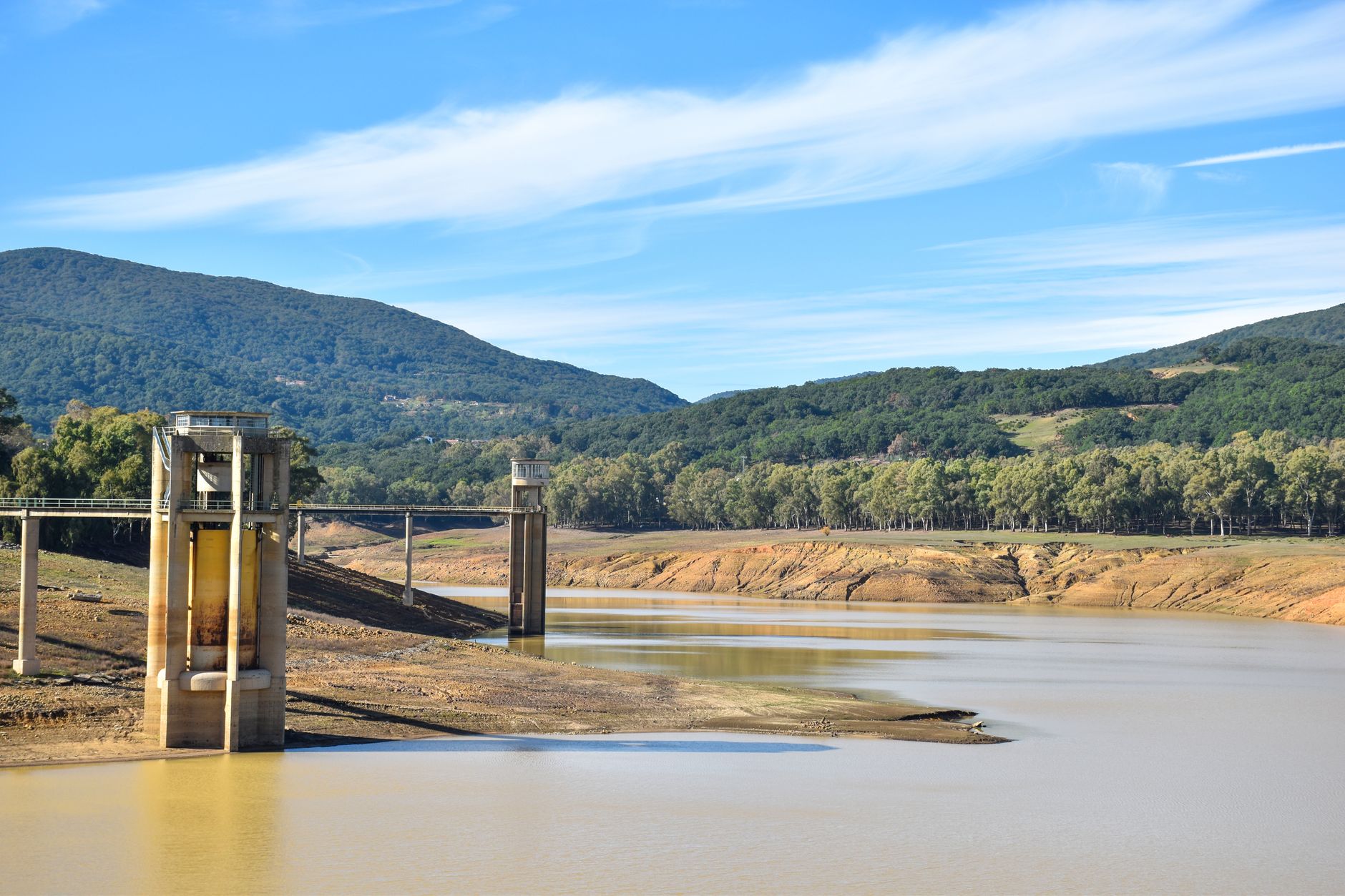
Nuclear plants draw the most attention because of their scale and the regulatory thresholds attached to their water use, but hydropower faces a structurally similar problem from a different direction. When dry conditions reduce river flows, turbines slow or stop entirely. In the first five months of 2025, elevated temperatures and low water levels cut hydropower output across Europe by 13% compared with the same period the year before. Coal and natural gas plants face their own heat-related constraints – hot air reduces cooling tower efficiency, and equipment stress increases. Five gas-fired plants across the UK reported output reductions during the current event, removing roughly 2.5 gigawatts from Britain’s available supply.
Demand Is the Bigger Stress Test
What’s straining Europe’s grid isn’t only the loss of generation – it’s the simultaneous surge in consumption. Jean-Paul Harreman, director of Montel, an energy intelligence provider, identifies increased cooling demand as the primary factor pushing grids toward their limits. Countries that historically had little need for air-conditioning are now installing it at a rapid pace. The number of UK homes using air-conditioning has roughly doubled since 2022 alone.
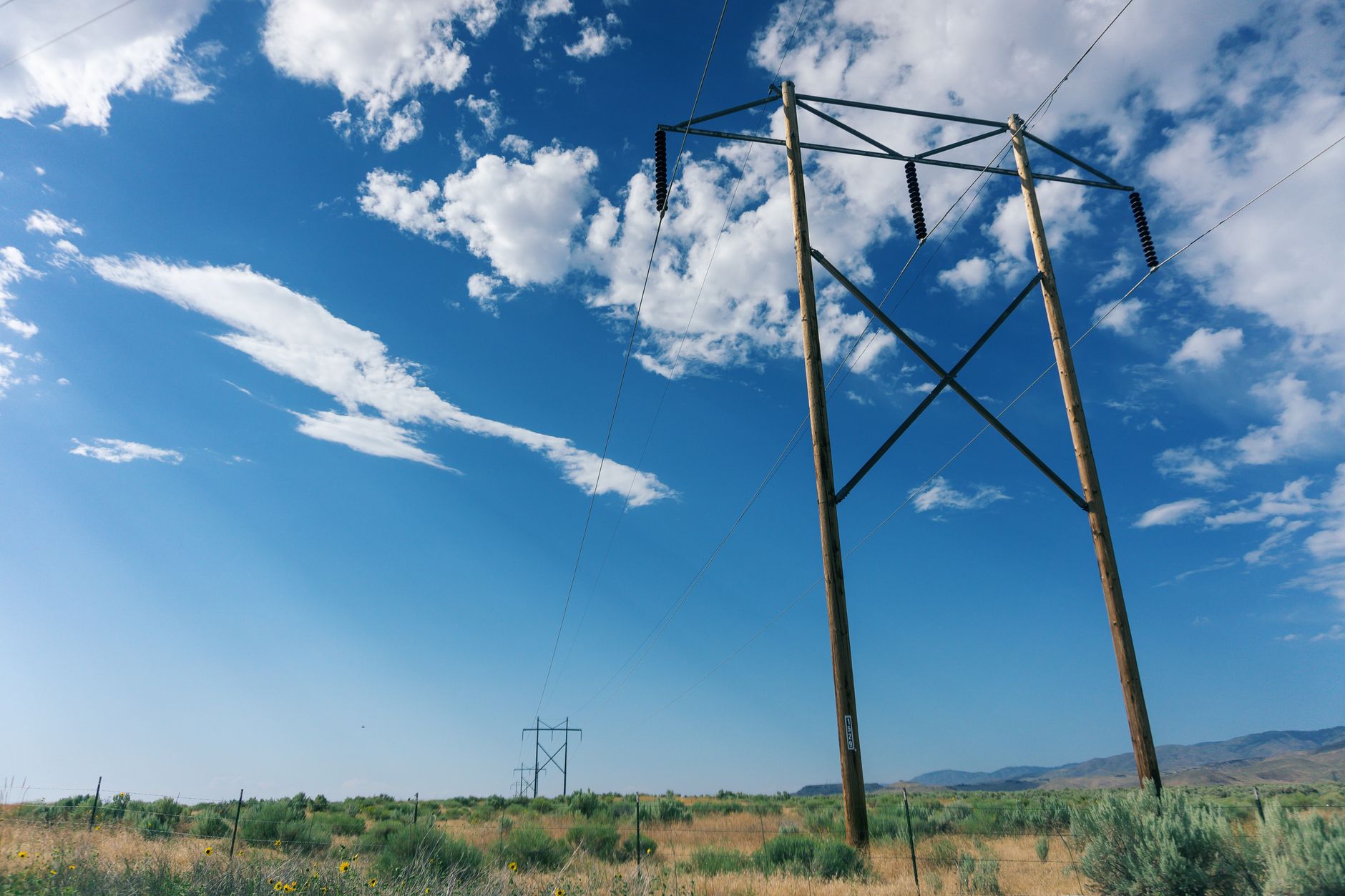
That shift matters because it changes the seasonal demand profile of grids that were designed around winter peaks. Summer electricity loads in northern Europe are rising toward levels that, for decades, only Mediterranean countries experienced. The infrastructure – transmission lines, substations, reserve capacity margins – was not planned around sustained summer cooling demand at this scale.
Globally, energy use for cooling is projected to double by 2050 relative to 2023 levels, according to the International Energy Agency. The implication isn’t limited to one bad week in France. Every additional degree of average warming adds load at exactly the moments when generation is most constrained. The feedback loop is direct: hotter summers drive more cooling demand, which strains plants that are simultaneously losing output because of the heat.
Simone Tagliapietra, senior fellow at Bruegel, an economic and policy think tank, points to a set of concrete responses available to utilities – planning for summer demand peaks, deploying batteries and demand response systems, making cooling loads more flexible, and physically hardening cooling infrastructure at power plants. None of these are exotic or experimental. They are engineering and planning decisions that require money and lead time, not breakthroughs.
The Price Tag for Staying Online
EDF has quantified part of that cost. Earlier this year, the company published a climate-change vulnerability assessment covering its nuclear and hydropower operations across France. Bringing its infrastructure up to the resilience standards required by a warming climate is expected to cost approximately €600 million per year. That’s a recurring annual cost, not a one-time capital investment – and it covers only one national operator in one country.
The Golfech plant will return to service when river conditions allow. The Garonne’s temperature will eventually drop, regulations will be satisfied, and the unit will reconnect to the grid. But the river that runs past the plant will be warmer, on average, every decade going forward. The thermal margins that French regulators set to protect river ecosystems were not written with 44°C June days in mind.
Whether the €600 million annual figure EDF has disclosed represents an adequate investment – or a floor that will need to keep rising as baseline temperatures climb – is a question the company’s own vulnerability assessment doesn’t fully answer.