



When the Dog You Love Becomes the Problem You Can’t Post About
There is a specific kind of exhaustion that comes with owning a dog that does not behave the way you expected – or the way every other dog on your Instagram feed appears to. It sits somewhere between guilt and resentment, and it is not the sort of thing most people feel comfortable admitting in public. Dogs Anonymous, an online support community built around exactly that admission, exists because its cofounders understood that gap well before any algorithm did.
The premise is blunt by design. “This is a place where you can come and say, I fucking hate my dog today,” a Dogs Anonymous cofounder told WIRED. “And there are people who are going to be like, yeah, that was me last Tuesday.” That is the entire pitch – and apparently, it is enough.
The Digital Infrastructure of a Very Specific Kind of Shame
Online communities built around pet ownership are not new. What separates Dogs Anonymous from the standard Reddit thread or Facebook group is the explicit permission it grants members to express something beyond frustration. The community is not oriented around training tips or product recommendations. It is oriented around the feeling that you might be failing at something you were supposed to naturally love – and finding out, quickly, that a significant number of other people are failing at it too, or at least feel that way on alternating Tuesdays.
That framing matters more than it might initially appear. Most digital pet spaces operate on a positivity gradient – cute photos up top, horror stories buried in comments. Dogs Anonymous inverts that. The horror story, or at least the honest one, is the entry point. You do not have to perform gratitude before you are allowed to vent. The emotional architecture of the space is built around lowering the threshold for honesty, not raising the bar for acceptable content.

This kind of community design is actually a distinct trend in how niche online groups are being structured. The most active corners of the internet right now are not the broad, aspirational ones. They are the narrow, permission-giving ones – spaces where specificity of suffering creates immediate solidarity. A parent who hates their toddler some days, a caregiver who resents their role, a dog owner who genuinely fantasizes about rehoming the animal they spent $3,000 on – these are not people well-served by general wellness content. They need acknowledgment before they need advice.
Dogs Anonymous delivers that acknowledgment through community rather than algorithm. There is no AI-generated empathy response, no chatbot trained to de-escalate. The response is another human saying they felt the same thing six days ago, which is a different kind of intervention entirely – slower to scale, harder to monetize, and considerably more effective for the people it reaches.
Tech Has Not Solved This, and That Is the Point
The fact that a community like this thrives in 2025 is worth sitting with for a moment. There is no shortage of apps targeting pet owners. Behavior tracking, training programs, veterinary telehealth, GPS collars, AI-powered bark translators – the pet tech market has expanded aggressively in the last five years, targeting the $150 billion annual U.S. pet industry with tools designed to optimize the ownership experience. And yet what Dogs Anonymous offers cannot be replicated by any of those products, because the product is not optimization. It is permission.
No app has found a way to make someone feel genuinely less alone in their resentment. That remains a human-to-human transaction, and communities like Dogs Anonymous are evidence that people are still seeking it out through digital infrastructure even when – especially when – the polished, product-forward corners of the internet offer no room for it.
Why “Difficult Dogs” Is Doing a Lot of Work as a Category
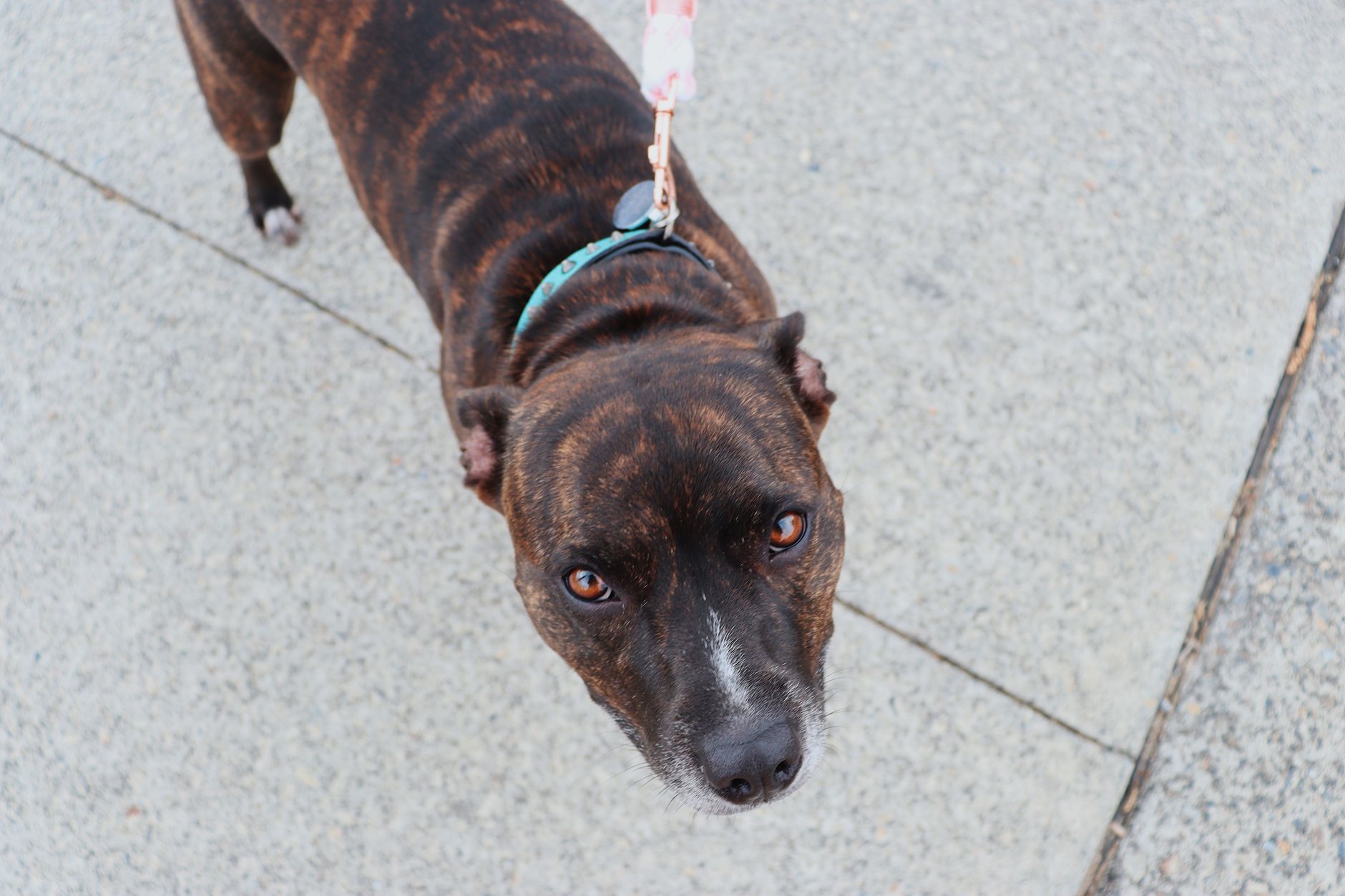
The phrase “difficult dogs” covers enormous ground. It can mean a dog with severe anxiety, a dog that bites, a dog that destroys furniture compulsively, a dog that cannot be walked without incident, or a dog that simply does not match the temperament of the household that adopted it. Rescue adoptions surged during the pandemic, and many of those animals came with behavioral histories that new owners were not fully prepared to manage. The emotional fallout from that mismatch has been substantial and underreported.
Support communities like Dogs Anonymous are absorbing some of that fallout. The cofounder’s framing – “I fucking hate my dog today” – is deliberately extreme because the emotion it names is real and usually silenced. People who express frustration with their pets in public often encounter immediate social pressure to recant, to clarify that they still love the animal, to perform the appropriate level of dog-parent devotion. The community exists partly as a counter-pressure – a place where the recantation is not required and the frustration does not have to be dressed up in something more palatable before it can be expressed.
What Dogs Anonymous has built is not a technology product, a subscription service, or a monetized community with sponsored content from premium kibble brands. It is, so far, a space defined almost entirely by what it does not demand from its members. Whether that model holds as it scales – whether the permission that makes it valuable survives growth – is the question that will determine whether it remains genuinely useful or becomes another large pet group with a sharper tagline.