

A Small Camera Making a Big Claim
DJI has announced the Osmo Pocket 4P, a compact camera that the company says delivers 17 stops of dynamic range – a figure that, if it holds up in real-world shooting, would push this pocket-sized device into territory typically reserved for much larger professional rigs. The announcement centers on a new color science format called D-Log2, which DJI is introducing alongside the camera.
Dynamic range is the measurement of how much detail a camera can capture simultaneously between the darkest shadows and the brightest highlights in a single frame. Seventeen stops is a substantial number to attach to a compact camera, and it sets a clear expectation for what DJI believes this device can do in challenging lighting conditions – think golden-hour exteriors, dimly lit interiors with bright windows, or concert stages where shadows and spotlights compete for the sensor’s attention.
What D-Log2 Actually Means for Shooters
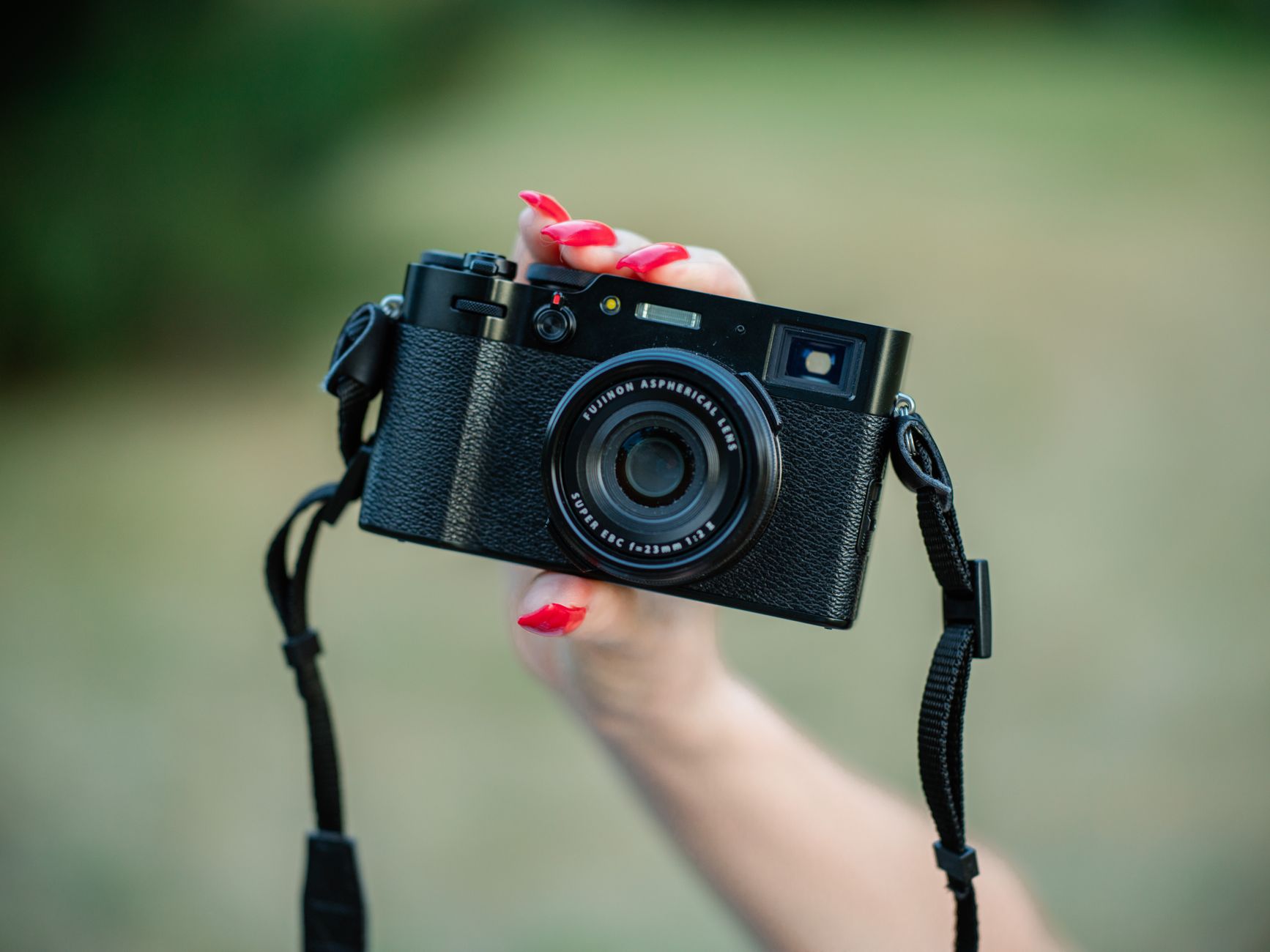
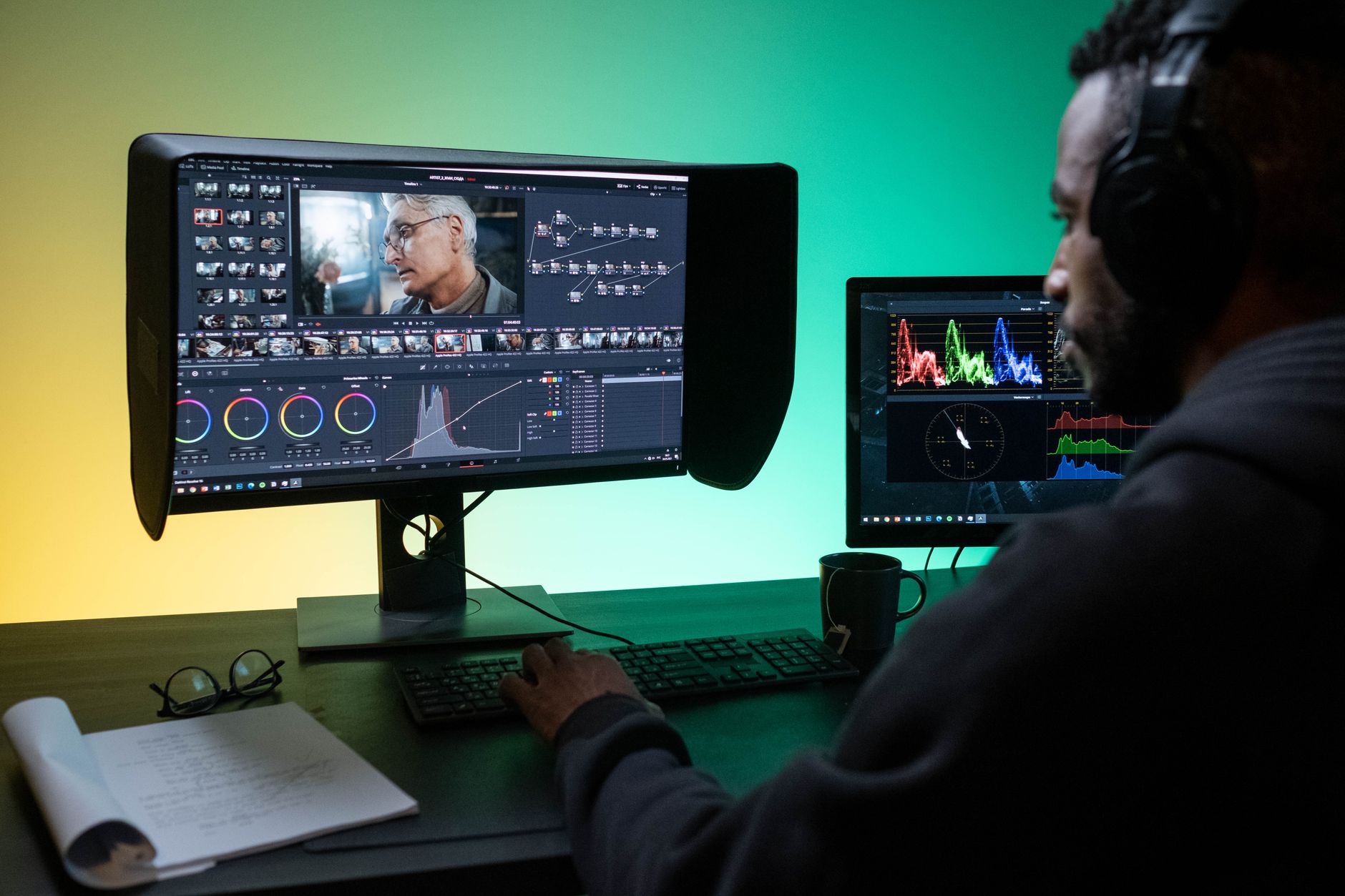
D-Log2 is DJI’s updated logarithmic color profile, designed to store more tonal information in the recorded footage before any color grading is applied. Log formats work by compressing the highlights and lifting the shadows into a flatter, desaturated image that editors can then shape in post-production. The tradeoff is that footage shot in D-Log2 looks washed out straight out of the camera – it requires color grading before it’s ready for audiences – but that flat starting point is precisely what gives colorists the headroom to recover detail that a standard color profile would bake in or clip entirely.
For run-and-gun videographers, travel creators, or anyone working without a dedicated post-production team, D-Log2 adds a layer of workflow complexity that a regular picture profile doesn’t. Whether the 17-stop claim survives contact with actual shooting environments – mixed artificial lighting, overcast skies, or harsh midday sun – will determine how much that complexity is worth taking on.
DJI has built a strong track record with its Osmo Pocket line as a category that prioritizes portability without entirely abandoning image quality. The original Osmo Pocket and subsequent models found audiences among vloggers and independent filmmakers who needed stabilized footage without the bulk of a mirrorless system. The Pocket 4P appears to continue that trajectory, this time leaning harder into the professional-grade specifications that have historically been the domain of the company’s larger cinema-oriented products.
The Numbers Behind the Spec
Seventeen stops of dynamic range is a number worth examining closely. For context, high-end cinema cameras from manufacturers like ARRI and RED have long advertised dynamic range figures in the 14-to-17-stop range, though real-world performance and how manufacturers measure those stops varies considerably across the industry. Some brands measure usable dynamic range at a specific signal-to-noise ratio threshold; others include stops where noise is significant enough to be visible in the final image. DJI has not yet detailed the precise methodology behind its 17-stop figure for the Pocket 4P.
That ambiguity doesn’t make the specification meaningless – it makes it a starting point. Camera reviewers and independent testers will inevitably run the Pocket 4P through controlled dynamic range tests, comparing what the sensor recovers in the highlights and shadows against the raw numbers DJI has published. Those results, not the spec sheet, will tell buyers whether the camera earns its positioning.
Where the Osmo Pocket 4P Fits
The compact camera market has been contracting for years as smartphone cameras close the gap on dedicated hardware. DJI has largely sidestepped that pressure by targeting users who need stabilization, interchangeable accessories, or video specifications that smartphones don’t yet match at equivalent price points. The Osmo Pocket line specifically appeals to buyers who want a dedicated video device without committing to a full mirrorless kit.
The Pocket 4P’s introduction of D-Log2 and the 17-stop dynamic range claim positions the camera as a more serious production tool than its predecessors. Whether a creator is shooting a documentary segment, a travel vlog, or event coverage, a higher dynamic range ceiling means more flexibility in post – more ability to pull detail back from a blown-out sky or lift a face that fell into shadow. The camera doesn’t have to be the right tool for every situation to be the right tool for a specific kind of shooter.
DJI has consistently used new Osmo Pocket releases to introduce hardware and software features that later appear, in refined form, across its other product lines. D-Log2’s debut on the Pocket 4P suggests DJI is building out a unified color science ecosystem – one format that shooters can use whether they’re on a compact camera, a drone, or an action camera, making footage from different devices easier to match in the edit.
The practical question for anyone considering the Pocket 4P is how much of that 17-stop range is recoverable at the ISO levels a compact sensor is likely to operate at in real shooting conditions. High dynamic range figures on smaller sensors sometimes come with elevated noise in the shadow regions, which limits how aggressively colorists can actually push the footage. That’s the test the Pocket 4P will face – not whether it can hit 17 stops under ideal laboratory conditions, but whether those stops hold together when the light gets difficult.
DJI has published the 17-stop figure and the D-Log2 format name. The full technical specifications, pricing, and availability details for the Osmo Pocket 4P have not yet been disclosed beyond what’s in the initial announcement.