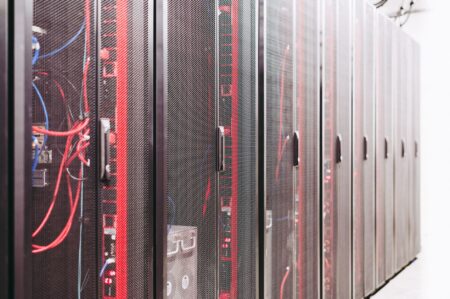



AI computing demand has pushed data center operators beyond earthbound real estate into an entirely new frontier. Cowboy Space announced a $275 million funding round to develop orbital data processing facilities, addressing what the company calls a fundamental supply bottleneck in space infrastructure.
The startup’s ambition reflects a growing recognition that traditional data center expansion cannot keep pace with artificial intelligence workloads. While terrestrial facilities face power grid limitations and cooling challenges, orbital installations promise unlimited solar energy and natural vacuum cooling.
Launch Capacity Creates the Bottleneck
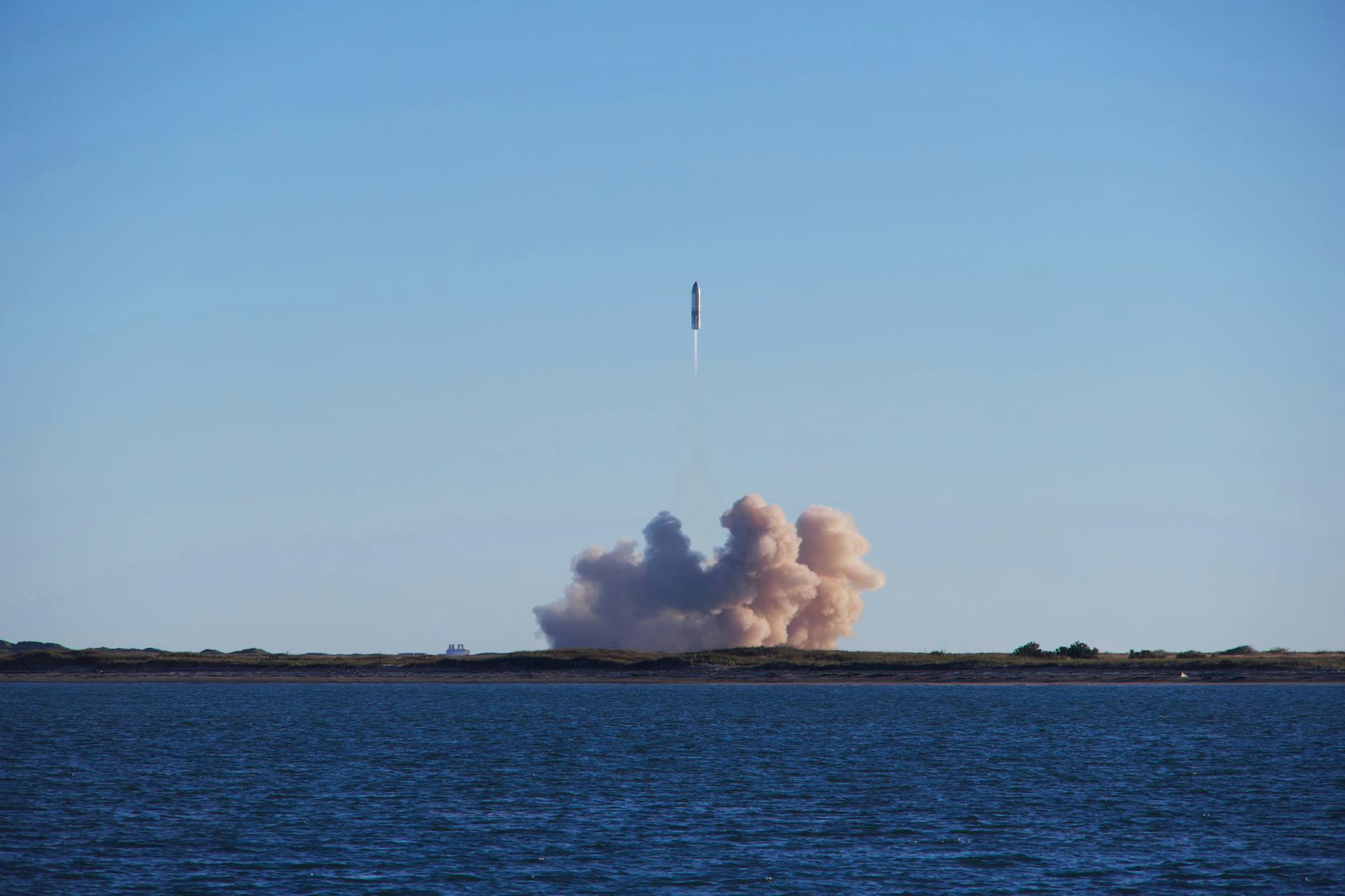
Current rocket availability represents the primary obstacle to space-based computing infrastructure. SpaceX, Blue Origin, and other launch providers maintain packed schedules for satellite deployments, leaving minimal capacity for larger payloads like data processing equipment.
Launch costs compound the challenge. Heavy-lift missions required for substantial computing hardware run between $50 million and $150 million per flight, depending on payload mass and orbital destination. These economics force careful calculations about which workloads justify the expense of orbital deployment.
Computing Power Meets Orbital Mechanics
Cowboy Space plans to manufacture specialized servers designed for space environments, incorporating radiation hardening and thermal management systems. The company’s engineering team includes former NASA engineers and semiconductor designers who previously worked on Mars rover computing systems. Their approach involves modular data center pods that can be assembled in orbit using robotic systems.
Each orbital facility would house approximately 1,000 specialized processors capable of handling machine learning training and inference workloads. The vacuum of space eliminates traditional cooling requirements, while solar panel arrays provide consistent power generation. Quantum communication links would connect orbital facilities to ground-based networks with minimal latency for certain applications.

The technical challenges extend beyond hardware design. Space debris monitoring becomes essential when operating sensitive computing equipment in orbit. The company must also develop maintenance protocols for hardware that cannot be easily accessed for repairs. Component failures in space require either redundant systems or complete module replacement.
Regulatory approval adds another layer of complexity. The Federal Communications Commission and International Telecommunication Union govern orbital spectrum allocation, while export controls restrict certain computing technologies from leaving Earth’s atmosphere. Cowboy Space has hired former regulatory officials to navigate these approval processes.
Market Timing and Competition
The funding announcement comes as major cloud providers investigate alternative computing locations. Amazon Web Services has explored underwater data centers, while Microsoft has tested facilities on the ocean floor. These experiments demonstrate the industry’s willingness to pursue unconventional solutions for capacity expansion.
Several competitors have announced similar space-based computing initiatives, though none have secured comparable funding levels. Orbital Assembly Corporation raised $45 million last year for space manufacturing facilities that could include data processing components. European Space Agency has allocated €200 million for orbital computing research through its member nations.
Commercial Viability Questions
The business model requires identifying workloads where orbital processing advantages justify the premium costs. Cryptocurrency mining operations have expressed interest, citing the consistent power availability and reduced cooling expenses. Scientific research applications, particularly climate modeling and space exploration data analysis, represent another potential market segment.
Financial projections suggest break-even operations within seven years, assuming successful deployment of three orbital facilities. The company expects to charge premium rates for processing power, targeting customers who require guaranteed uptime and unlimited power scaling. Enterprise contracts would likely involve multi-year commitments given the infrastructure investment required.

Cowboy Space faces the fundamental question of whether artificial intelligence workloads truly require orbital deployment, or if terrestrial expansion can meet demand through more conventional means. The answer may determine whether space becomes the next frontier for data processing, or remains an expensive experiment in computing’s outer limits.