



Corsair Expands Its Lineup With Practical Upgrades
Corsair has introduced a new set of gaming peripherals – keyboards built around a physical control dial and a wireless mouse marketed on its battery endurance – and neither product arrives at a price that demands much deliberation.
What the New Keyboards Actually Offer
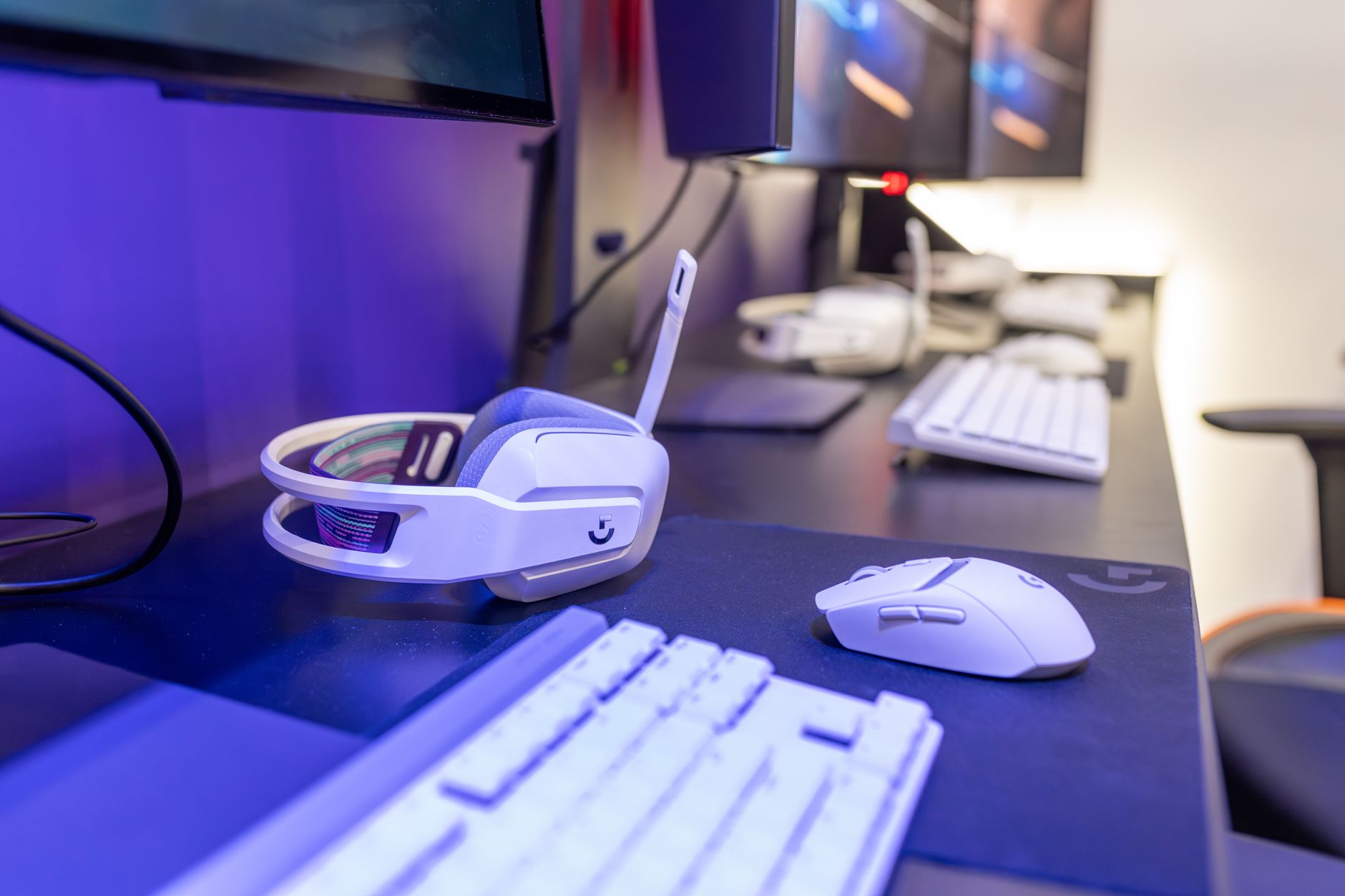
The headline addition to the keyboard lineup is a dedicated control dial, a physical rotary input that gives users a tactile way to adjust volume, scroll through timelines, or map other functions without touching a mouse or hunting through software menus. Physical dials have appeared on productivity-focused keyboards before, but Corsair is bringing the format into its gaming-oriented product range, where quick adjustments mid-session have real practical value. The inclusion keeps the keyboards competitive against rivals that have added similar hardware shortcuts in recent years.
Corsair has not announced a single keyboard here – the new lineup covers multiple models, meaning buyers at different price points can access the dial feature without being forced into the top-tier option. That kind of tiered rollout tends to expand adoption faster than confining a feature to a flagship product, and it signals that Corsair considers the dial a standard addition rather than a premium differentiator.
The keyboards carry pricing that Corsair describes as affordable relative to the feature set. Exact retail figures tie directly to individual SKUs, but the company’s positioning is clearly aimed at buyers who want hardware controls without paying a significant premium above a standard gaming keyboard. For a category where flagship models regularly exceed $150 or $200, pricing discipline matters.
Switch options and backlighting details follow Corsair’s established pattern – the company builds around its own switches and integrates RGB lighting as a baseline across its keyboard range. The control dial sits alongside those familiar elements rather than replacing anything, so existing Corsair users moving to one of these new boards won’t find a stripped-down layout trading standard features for the new input.
The Mouse: Battery Life as the Central Argument
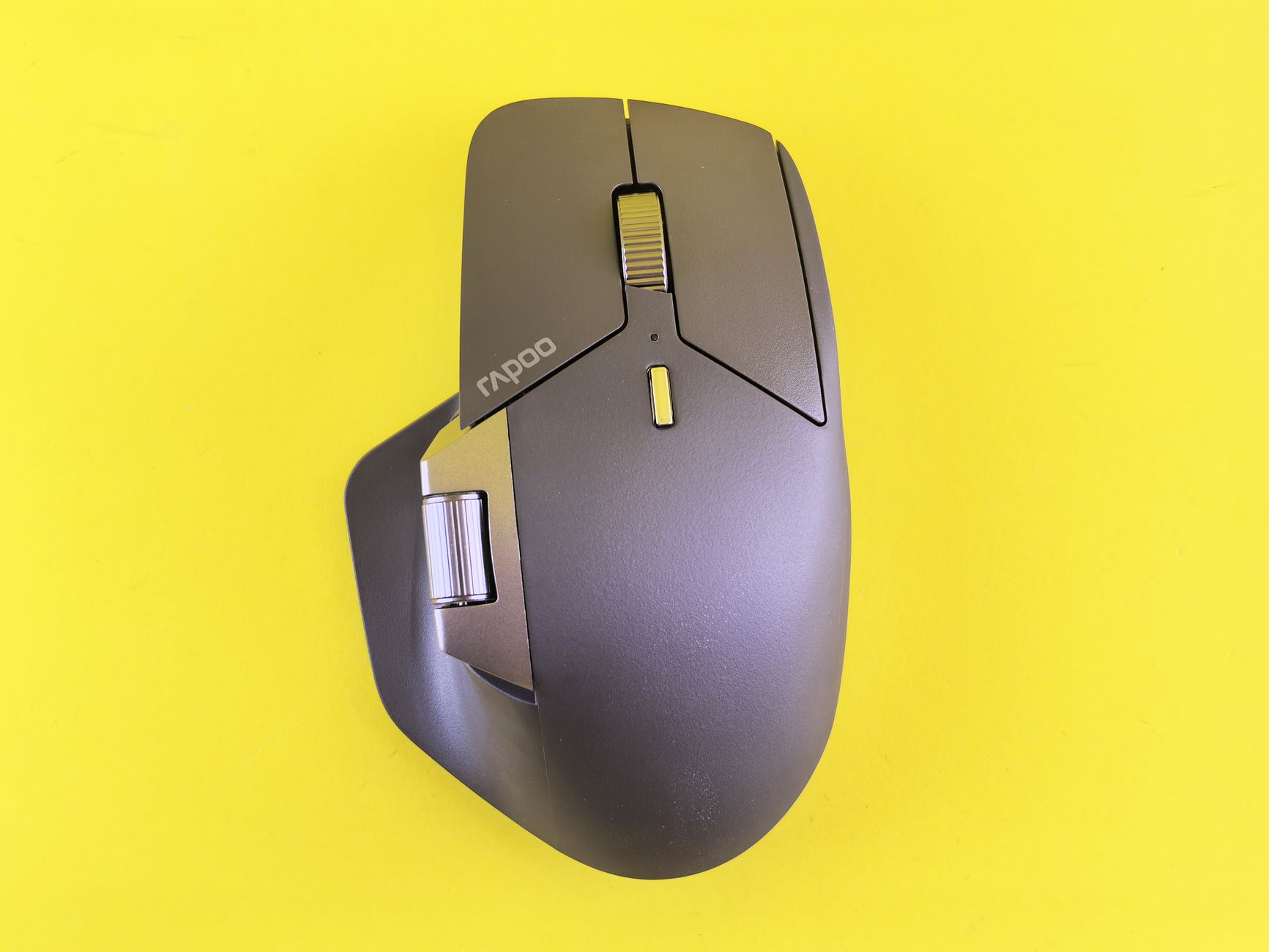
The accompanying wireless mouse is built around a single selling point: battery life. Corsair is positioning it specifically on how long it runs between charges, which addresses one of the most persistent friction points in wireless gaming mice. Competing on longevity rather than polling rate or sensor resolution alone is a deliberate choice, and it targets a segment of users who want wireless freedom without managing charging routines around their sessions.
Long battery life in wireless peripherals has become more achievable as low-power wireless protocols and more efficient sensors have matured. Corsair is not alone in chasing this metric – Logitech’s G series mice, particularly models using the HERO sensor, have set benchmarks above 250 hours on a single charge, and other manufacturers have pushed into similar territory. Corsair’s new mouse enters that conversation directly, though the specific hour count positions it within that competitive range rather than redefining it.
The mouse pairs naturally with the new keyboards if a buyer wants a matched wireless setup, and Corsair’s iCUE software handles both through a single interface. That software integration matters because managing separate applications for keyboard macros, lighting, and mouse sensitivity settings adds friction that unified platforms eliminate. iCUE has been Corsair’s ecosystem anchor for years, and these new peripherals extend the same approach.
Weight, button layout, and grip shape for the new mouse follow ergonomic conventions without notable departures – this is not a radical rethink of the form factor. For buyers who find aggressive ergonomic designs divisive, a conventional shape with strong battery performance is a straightforward trade. For those who want something more specialized, the mouse’s pitch is narrower.
Wireless connectivity uses Corsair’s Slipstream technology, the company’s 2.4GHz solution that competes against Logitech’s Lightspeed and Razer’s HyperSpeed on latency claims. Slipstream is a mature platform at this point, so the new mouse benefits from a proven connection standard rather than an untested implementation.
Pricing and Availability
Both the keyboards and the mouse are available now through Corsair’s website and major retail partners. The pricing across the keyboard range and for the mouse keeps the products within reach of buyers who don’t want to treat peripherals as long-consideration purchases – Corsair’s stated positioning around affordability relative to features holds up when the products sit against comparable mid-range competitors.
The real test for the control dial is whether users remap it consistently after the initial setup or leave it on volume duty and forget about it. Hardware inputs that require software configuration to reach their potential often settle into a single default function for most buyers – and whether Corsair’s dial breaks that pattern depends on how deeply iCUE makes custom mapping feel worth the effort.