



Two Assistants, One Clear Gap
Claude and ChatGPT are the two names most users encounter first when shopping for an AI assistant – but a practical comparison of both models reveals that one consistently underdelivers on response quality and the overall experience of using it day to day.
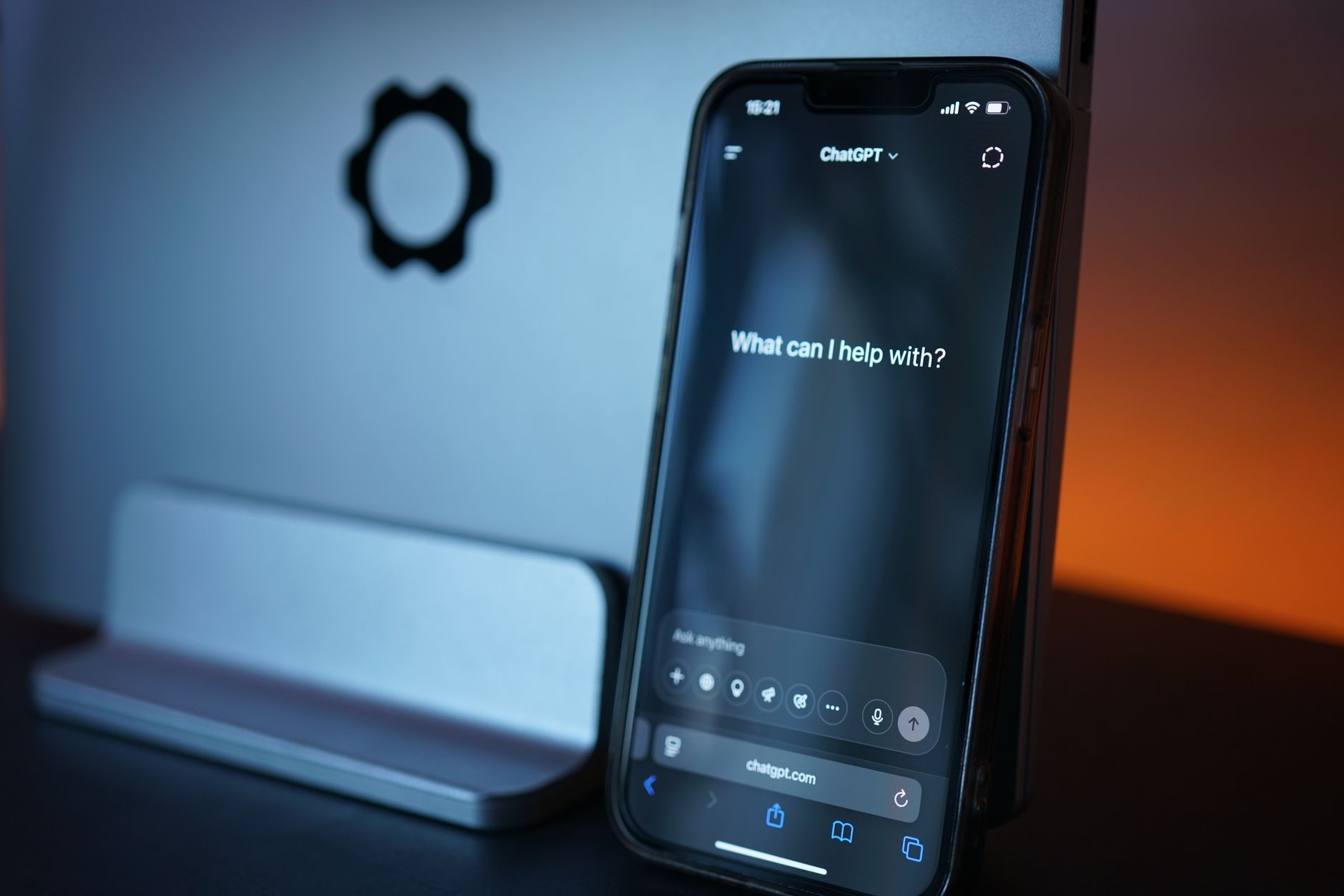
What Sets These Two Models Apart
ChatGPT, built by OpenAI, and Claude, developed by Anthropic, occupy the same general space: conversational AI assistants designed to answer questions, draft text, assist with code, and handle a wide range of tasks on demand. On the surface, the pitch is nearly identical. Under the hood, the differences become harder to ignore the more you actually use them.
Response quality is where the divide shows up most clearly. One of the two assistants produces outputs that feel more considered – answers that track the actual intent of a question rather than its surface wording. The other tends to drift, filling space with language that sounds correct but misses the point, or hedges in ways that leave users doing the interpretive work themselves.
User experience compounds this. An AI assistant isn’t just a text generator – it’s a tool people return to repeatedly, often under time pressure or while trying to think through something complicated. When the responses require significant editing, second-guessing, or follow-up prompting just to get something usable, the assistant is creating friction rather than removing it. That friction accumulates fast.
Anthropic’s approach with Claude has leaned heavily into what the company describes as safe, steerable, and interpretable AI behavior. That design philosophy shapes how Claude responds – it tends to be more measured, more willing to say it doesn’t know something, and less prone to confidently wrong answers. OpenAI’s ChatGPT has gone through multiple model generations, with GPT-4 and its successors pushing hard on capability breadth, multimodal features, and integration with third-party tools through plugins and the GPT Store.
Where Each Assistant Actually Performs
For writing tasks – emails, summaries, drafts, rewrites – both assistants are functional. But the quality ceiling differs. Claude tends to produce prose that reads more naturally and requires fewer corrections, particularly on longer pieces where maintaining a consistent tone matters. ChatGPT can produce strong output too, but it more frequently slips into generic phrasing and over-explains things that didn’t need explaining.

On technical questions and code, ChatGPT has historically held an edge, largely because of how deeply it has been integrated into developer workflows through tools like GitHub Copilot and the broader OpenAI API ecosystem. Developers who’ve built habits around ChatGPT’s code suggestions aren’t switching easily, regardless of how Claude performs on a benchmark. Ecosystem lock-in is real, and OpenAI has cultivated that lock-in deliberately.
Claude’s context window – the amount of text it can process in a single conversation – has been a distinguishing feature. Anthropic has pushed this aggressively, with Claude models capable of handling very long documents in a single pass. That matters for users who need to analyze contracts, research papers, or lengthy transcripts without breaking the task into chunks. ChatGPT has expanded its own context limits over time, but Claude built its reputation on this capability earlier and more visibly.
Where ChatGPT pulls ahead is in sheer surface area. It connects to the web, generates images through DALL-E, handles voice input and output, and supports a large library of custom GPTs built by third parties. For users who want one tool to do many things – browse, generate, converse, create – ChatGPT’s feature set is wider. Claude, by contrast, has been more focused. Anthropic has also made significant financial commitments around content rights, paying $1.5 billion to authors – a signal that the company is thinking carefully about what data trains its models and what obligations come with that.
The pricing structures add another layer to the comparison. Both assistants offer free tiers with meaningful limitations and paid subscriptions that unlock more capable models. ChatGPT Plus runs at $20 per month for access to GPT-4o and related features. Claude Pro sits at the same $20 price point. At identical costs, the choice comes down to what kind of work you’re doing – and which set of limitations you’d rather bump into.
The Real Question for Everyday Users
Most people picking between these two aren’t running benchmarks. They’re asking which one helps them finish something faster, with less cleanup, and fewer moments of “that’s not what I meant.” On that practical standard – quality of response and the friction involved in actually using it – the comparison doesn’t favor both equally. One falls short, and regular use makes that apparent in ways that a single test prompt won’t.
The detail worth sitting with: both assistants are improving on a timeline measured in months, not years. Whatever gap exists today between Claude and ChatGPT could close, widen, or flip entirely by the time a new model version ships – and both companies have made clear they’re not slowing down.