


Prime Day Targets the Home Gym Wallet
Amazon’s Prime Day 2026 is running deals across fitness technology, with discounts reaching up to $250 on a range of hardware that spans smartwatches, walking pads, and recovery equipment. The sale covers the kind of gear that has steadily moved from gym floors into living rooms and home offices over the past several years, and the price cuts this cycle are among the steeper ones the category has seen during a Prime event.
Wired’s coverage identified 17 deals worth flagging across those product categories, pulling together what amounts to a cross-section of the current consumer fitness tech market – from wrist-worn health monitors to motorized under-desk treadmills to devices aimed at post-workout muscle recovery.
What the Discounts Actually Cover
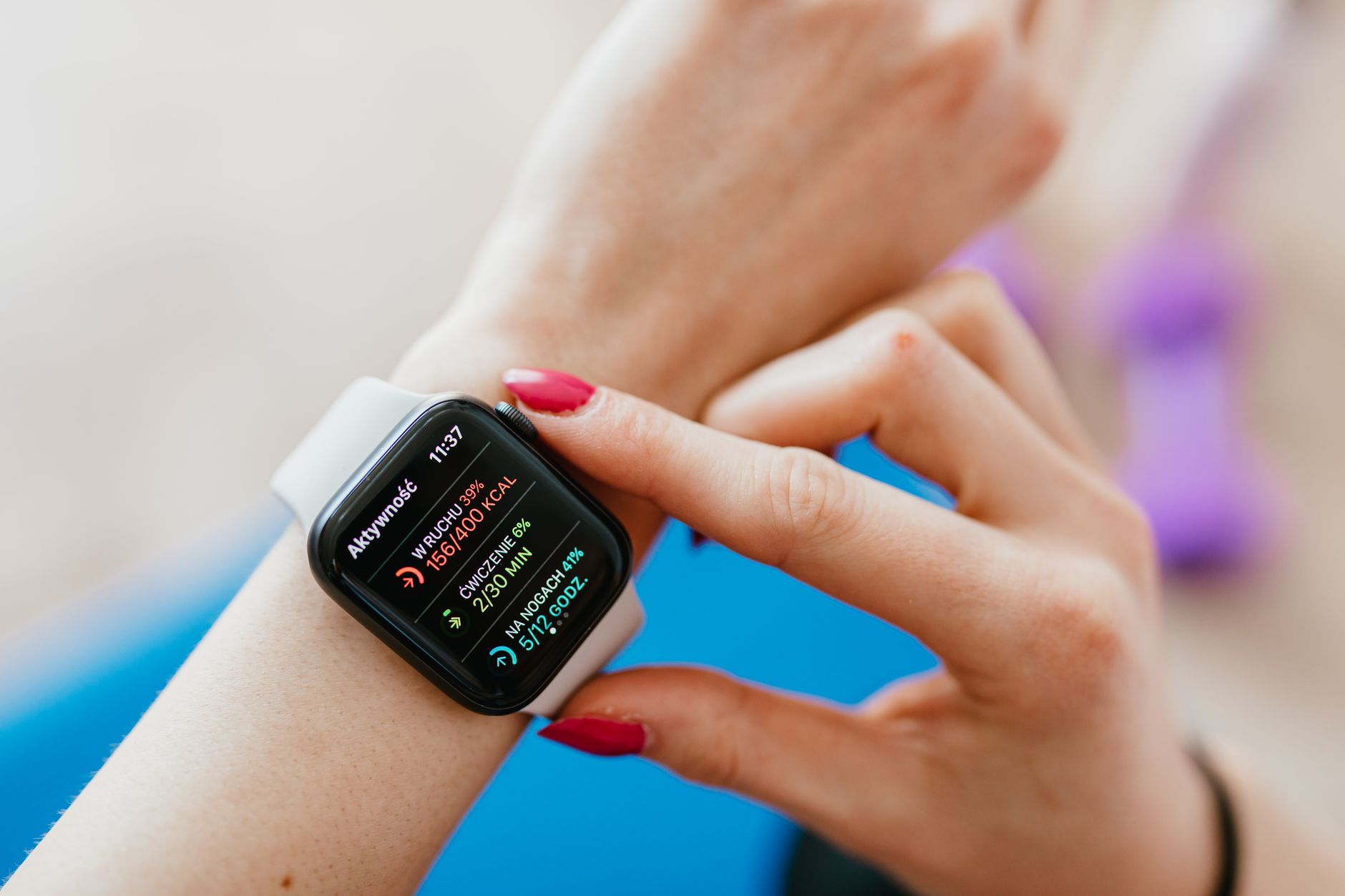
The smartwatch segment is well represented in this year’s Prime Day fitness deals. Smartwatches have become the anchor product in fitness tech retail, combining heart rate monitoring, sleep tracking, GPS, and workout logging into a single device that competes on both hardware specs and ecosystem lock-in. Discounts in this category tend to attract the most attention during sale events because the price gap between retail and sale price is often the most visible – and, at up to $250 off, the savings are substantial enough to shift purchase timing for buyers who were already considering an upgrade.
Walking pads occupy a different corner of the market. These compact, belt-driven treadmills – designed to sit under standing desks or fold flat for small apartments – saw a surge in consumer interest that started during the remote work wave and has not fully receded. They sell at a price point that makes a $50 or $100 discount meaningful, and Prime Day has become a predictable window for that category to move significant volume. The inclusion of walking pads in a curated list of 17 deals signals that the product type has graduated from novelty to mainstream fitness hardware.
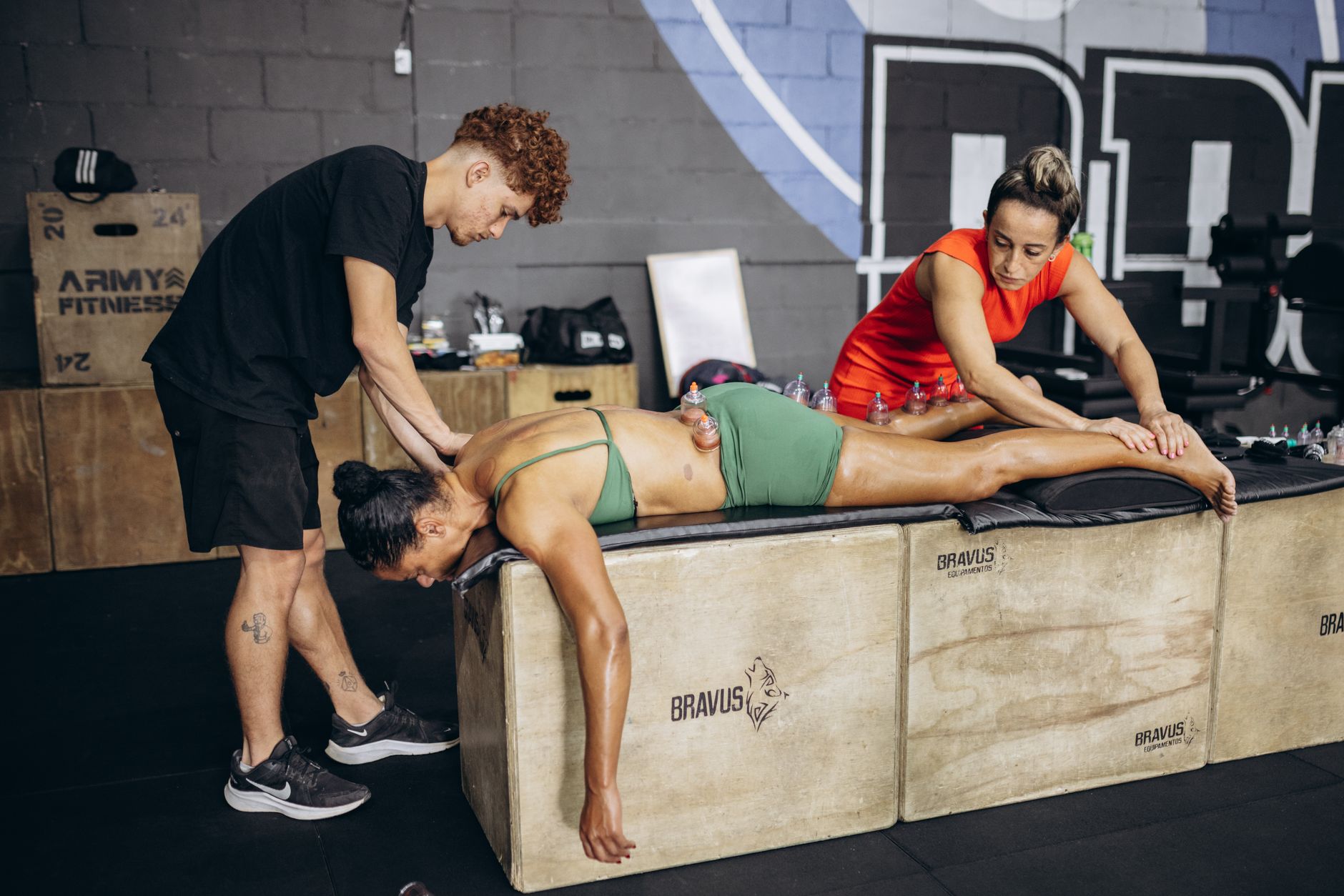
Recovery gear rounds out the three main categories flagged in the coverage. This segment includes devices like percussion massagers, compression boots, and electrical muscle stimulation tools – hardware that was largely confined to professional athletic training environments five years ago but now markets directly to everyday consumers. Price reductions on recovery tech during Prime Day reflect how far that hardware has traveled down the cost curve, and how aggressively brands in the space are competing for shelf position during high-traffic retail moments.

The Broader Prime Day Pattern
Prime Day has functioned as a twice-yearly reset for fitness tech pricing – the July event and its autumn counterpart both serve as clearing points where brands accept thinner margins to acquire customers ahead of seasonal demand shifts. For fitness hardware specifically, the July timing lands just far enough from New Year’s resolution purchases that it catches a second wave of buyers who either missed January deals or have been waiting for a specific product to drop in price. A 17-item curated list from an outlet like Wired acts as a filter in that environment, concentrating attention on deals with enough depth to justify a purchase decision rather than the shallow discounts that populate the broader sale.
The up-to-$250 headline figure is worth holding at arm’s length. “Up to” language in deal coverage almost always describes the ceiling rather than the average, and the $250 figure likely applies to a small number of premium smartwatches at the top of the price range. Most of the 17 deals probably cluster at lower absolute savings – though percentage-wise, those can still represent 20 to 40 percent off on mid-range hardware.
Reading the Product Mix
The specific combination of smartwatches, walking pads, and recovery gear in a single curated list says something about where fitness tech sits right now as a product category. These are not fringe items. Each of the three represents a segment with multiple competing brands, established retail pricing, and enough consumer awareness that a sale event can move units at scale. The fact that all three appear together under a “fitness tech” umbrella reflects how the category has expanded beyond the traditional gym equipment framing.
Smartwatches in particular carry the heaviest ecosystem implications of the three. Buying into Apple Watch, Garmin, or a Wear OS device is not just a hardware decision – it is a commitment to a data platform, a subscription tier in some cases, and a manufacturer’s roadmap. A Prime Day discount can lower the entry cost, but the longer-term spend on a smartwatch ecosystem often dwarfs the initial purchase price. That dynamic gives the “up to $250 off” framing a slightly different weight when applied to smartwatches versus a walking pad, which carries no ongoing platform dependency.
Walking pad pricing, by contrast, is a more straightforward transaction. The hardware does one thing, it either fits under a desk or it does not, and the discount either clears the buyer’s price threshold or it does not. The category’s inclusion in a Prime Day fitness list also reflects a shift in how Amazon itself categorizes home fitness – walking pads now sit alongside traditional treadmills and exercise bikes in search and recommendation surfaces, rather than being tucked under office furniture or standing desk accessories.
Recovery gear may be the most interesting segment to watch during Prime Day. The market includes everything from $30 foam rollers with heat elements to $800 compression boot systems, and the distance between those price points creates room for discounts that look large in dollar terms on premium products. Percussion massagers from brands like Theragun and Hyperice have become reference products in that space, and their presence or absence from a curated deals list tends to anchor the perceived quality of the overall selection.
Whether the 17 deals flagged by Wired this Prime Day hold up against competing sale events from Best Buy, Target, and direct-to-consumer fitness brands running parallel promotions is a separate question entirely – Amazon’s Prime Day no longer operates in a vacuum, and fitness tech buyers who compare across platforms before purchasing may find that the “best” deal on a given smartwatch or walking pad is not actually sitting in Amazon’s cart.