




Microsoft, Google, and Amazon are digging deeper than ever before – literally. Major tech companies are moving massive data centers underground, abandoning traditional above-ground facilities for subterranean installations that promise better security, energy efficiency, and environmental protection. This underground revolution represents one of the most significant infrastructure shifts in modern computing.
The movement gained momentum after several high-profile incidents exposed vulnerabilities in traditional data centers. Extreme weather events, security breaches, and skyrocketing cooling costs have forced tech giants to reconsider where they store the world’s digital information. Underground facilities offer natural insulation, reduced energy consumption, and protection from both cyber and physical threats.

Natural Temperature Control Saves Billions
Underground data centers leverage the Earth’s natural cooling properties to slash energy costs dramatically. At depths of 30 feet or more, soil temperature remains constant year-round, typically between 50-60 degrees Fahrenheit. This eliminates the need for massive air conditioning systems that traditionally consume up to 40% of a data center’s total energy budget.
Facebook’s underground facility in Prineville, Oregon, reportedly reduced cooling costs by 60% compared to surface-level operations. The constant underground temperature means servers don’t have to work against extreme seasonal variations, extending hardware lifespans and reducing replacement cycles.
Companies are also discovering that underground construction allows for more efficient server layouts. Without windows or architectural constraints of above-ground buildings, engineers can design purely functional spaces optimized for airflow and equipment access. This functional approach to design has improved server density by up to 30% in some installations.
Enhanced Security Through Natural Protection
Physical security concerns drive many companies underground. Surface facilities remain vulnerable to everything from natural disasters to targeted attacks. Underground installations provide multiple layers of natural protection that would be impossible to replicate above ground.
The depth itself serves as the first security barrier. Most underground data centers operate at least 50 feet below surface level, making unauthorized access extremely difficult. Traditional security concerns like vehicle-based attacks, surveillance from nearby buildings, and electromagnetic interference become non-issues when operations move below ground.
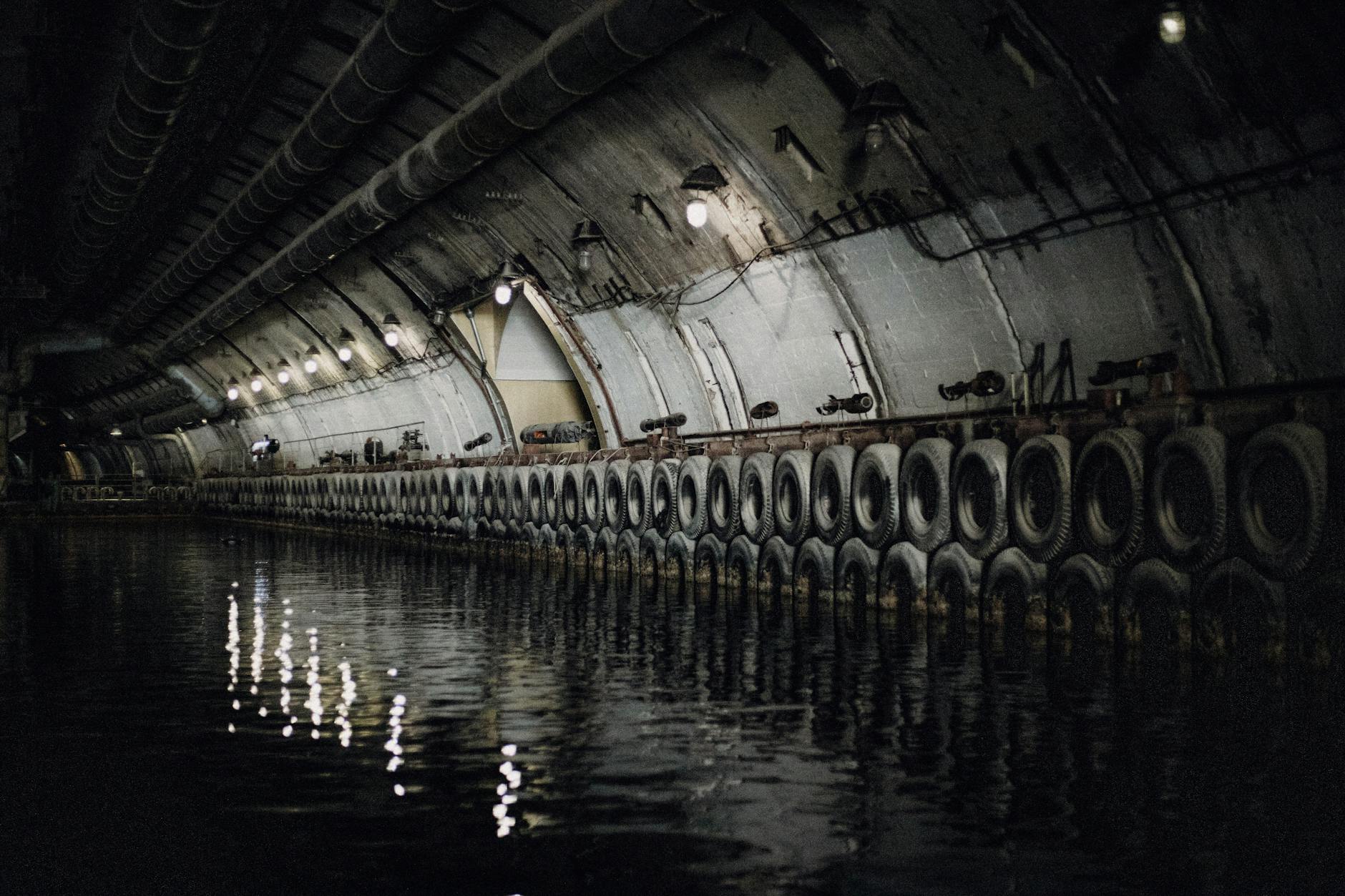
Natural disaster resilience represents another crucial advantage. Underground facilities show remarkable resistance to earthquakes, floods, and extreme weather events. While surface data centers require expensive reinforcement and backup systems, underground installations benefit from the Earth’s natural shock absorption and temperature stability.
Some facilities integrate with existing underground infrastructure like subway tunnels or former military installations. These locations often come with pre-built security features and established access controls, reducing both construction costs and security implementation timelines.
Environmental Benefits Drive Corporate Adoption
Sustainability goals push many tech companies toward underground solutions. Traditional data centers consume enormous amounts of energy for cooling, often requiring dedicated power plants or significant grid capacity. Underground facilities dramatically reduce this environmental footprint through passive cooling and improved energy efficiency.
Google’s underground facilities reportedly achieve Power Usage Effectiveness (PUE) ratings below 1.2, compared to industry averages of 1.6 for surface facilities. This improvement translates to substantial carbon footprint reductions, helping companies meet increasingly aggressive environmental targets.
Water usage also drops significantly in underground operations. Traditional data centers require millions of gallons annually for cooling systems. Underground facilities often eliminate water-based cooling entirely, relying on earth-contact cooling and improved air circulation systems.
Land use efficiency provides another environmental benefit. Underground construction preserves surface land for other uses while maximizing the utility of available space. Some companies integrate underground data centers with surface-level renewable energy installations, creating efficient land-use combinations.
Construction Challenges and Cost Considerations
Despite significant operational advantages, underground data center construction presents unique challenges. Initial costs typically run 15-20% higher than comparable surface facilities due to excavation requirements, specialized waterproofing, and enhanced structural engineering needs.
Soil conditions significantly impact construction feasibility and costs. Rocky terrain increases excavation expenses but provides excellent structural stability. Clay soils offer good insulation but require more extensive waterproofing systems. Companies must conduct thorough geological surveys before committing to underground construction projects.
Emergency access and maintenance procedures require careful planning in underground facilities. While the depth provides security benefits, it also complicates equipment delivery, emergency evacuations, and routine maintenance operations. Many facilities incorporate specialized elevator systems and emergency ventilation designed specifically for subterranean operations.
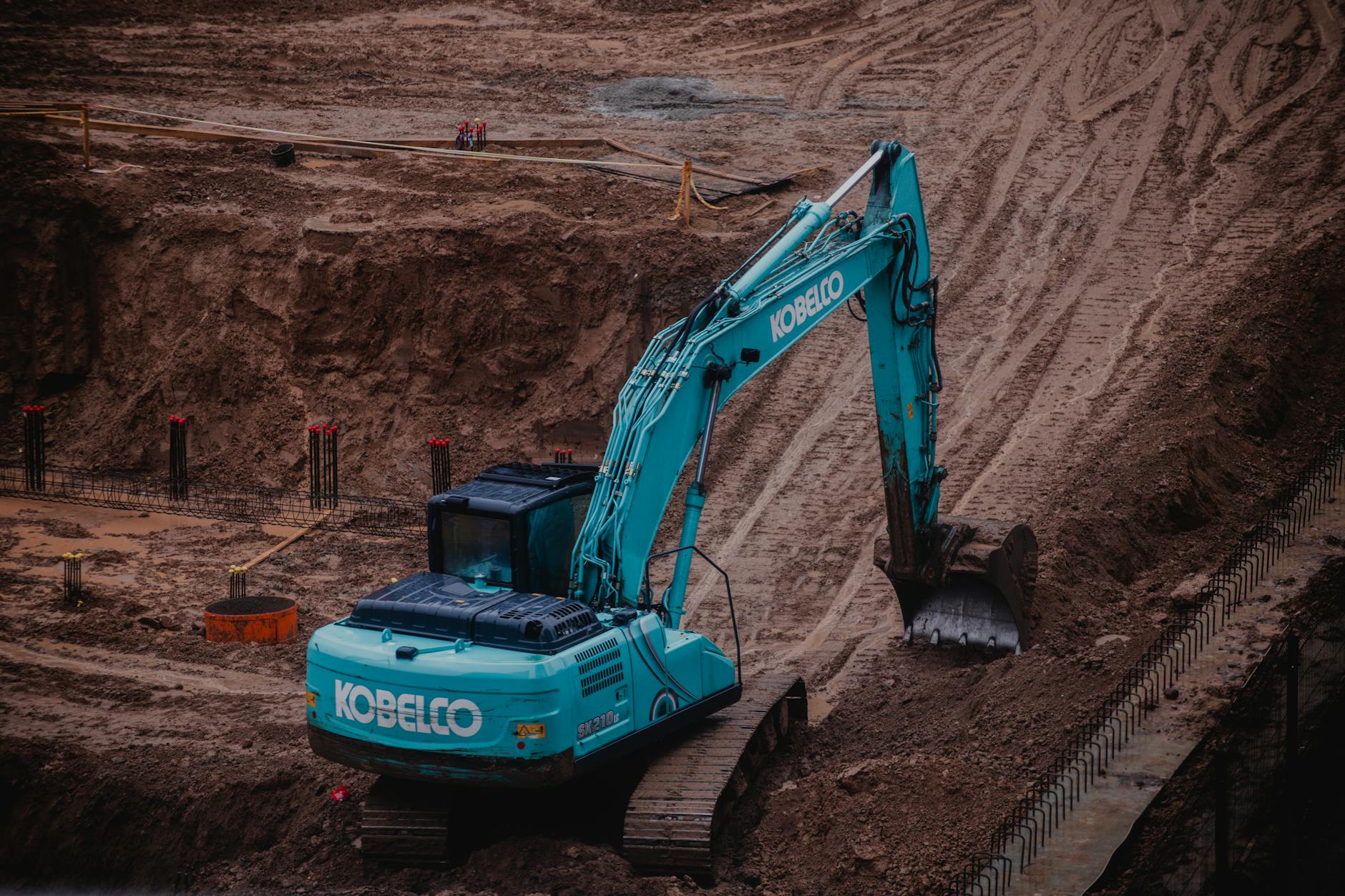
Regulatory approval processes often take longer for underground construction. Local zoning laws, environmental impact assessments, and building codes may not specifically address underground data centers, requiring custom approval processes and extended permitting timelines.
Future of Underground Data Infrastructure
Industry analysts predict underground data centers will become increasingly common as companies prioritize security, sustainability, and operational efficiency. Current underground facilities serve primarily as backup or specialized installations, but this may shift toward primary operations as construction techniques improve and costs decrease.
Emerging technologies like geothermal energy integration could make underground facilities even more attractive. Some companies explore combining data center operations with geothermal heating and cooling systems, creating closed-loop energy cycles that further reduce environmental impact.
As digital security becomes increasingly critical, the physical protection offered by underground facilities may become a competitive necessity rather than a luxury feature.
The underground data center trend represents more than just a novel approach to infrastructure – it signals a fundamental shift toward sustainable, secure, and efficient computing operations. As energy costs rise and security threats evolve, going underground may soon become the industry standard rather than the exception.
Frequently Asked Questions
Why are companies building data centers underground?
Underground facilities offer natural cooling, enhanced security, protection from disasters, and significant energy savings compared to surface installations.
How much can underground data centers save on energy costs?
Underground facilities can reduce cooling costs by up to 60% by leveraging constant soil temperatures and eliminating seasonal temperature variations.