




Rural America is getting connected. After decades of spotty internet service and broken promises from traditional providers, satellite internet has emerged as the game-changer that’s finally bringing reliable broadband to farms, ranches, and remote communities across the country.
The transformation isn’t just about faster downloads. Satellite internet is reshaping how rural families work, learn, access healthcare, and stay connected to the world. With companies like Starlink, Viasat, and HughesNet expanding their coverage and improving their technology, what was once considered a last resort has become a competitive alternative to traditional broadband.
The numbers tell the story of this digital revolution. According to the Federal Communications Commission, over 21 million Americans still lack access to fixed broadband service, with rural areas disproportionately affected. Traditional cable and fiber internet providers have long avoided these markets, citing high infrastructure costs and low population density as barriers to expansion.

Breaking Down Barriers to Rural Connectivity
The satellite internet landscape has undergone a dramatic transformation in recent years. Low Earth Orbit (LEO) satellite constellations have revolutionized the industry by positioning satellites much closer to Earth than traditional geostationary satellites. This proximity reduces latency from 600 milliseconds to as low as 20-40 milliseconds, making activities like video calls, online gaming, and streaming viable for the first time.
Starlink leads this new generation of satellite providers, with over 5,000 satellites currently in orbit and plans to deploy tens of thousands more. The service now reaches all 50 states and has expanded internationally, offering download speeds ranging from 50 to 200 Mbps in most areas. For rural communities that previously relied on dial-up or struggled with DSL connections under 10 Mbps, this represents a quantum leap in capability.
Traditional satellite providers haven’t stood still either. Viasat launched its ViaSat-3 satellite constellation, promising improved speeds and coverage, while HughesNet continues to serve customers with reliable service and competitive pricing. These established players bring years of experience serving rural markets and understanding the unique challenges these communities face.
The technology improvements extend beyond just speed. Modern satellite internet systems feature better weather resistance, more efficient data compression, and improved customer equipment. Self-installing dish systems have made setup accessible to average consumers, eliminating the need for professional installation in many cases.
Real-World Impact on Rural Communities
The practical benefits of reliable internet access ripple through every aspect of rural life. Remote work opportunities have exploded, allowing residents to pursue careers previously impossible without relocating to urban areas. A software developer in rural Montana can now participate in video conferences with Silicon Valley clients, while a graphic designer in rural Alabama can collaborate with agencies worldwide.
Education represents perhaps the most transformative impact. Rural students can now access online courses, participate in virtual field trips, and compete academically with their urban counterparts. The COVID-19 pandemic highlighted the digital divide starkly, but satellite internet has helped bridge that gap. Students can stream educational videos, submit assignments online, and participate in distance learning programs that expand their opportunities exponentially.
Healthcare access has similarly improved through telemedicine capabilities. Elderly residents can consult with specialists hundreds of miles away, reducing travel time and costs. Mental health services, particularly important in isolated communities, become accessible through video therapy sessions. Emergency medical consultations can now happen in real-time, potentially saving lives in critical situations.
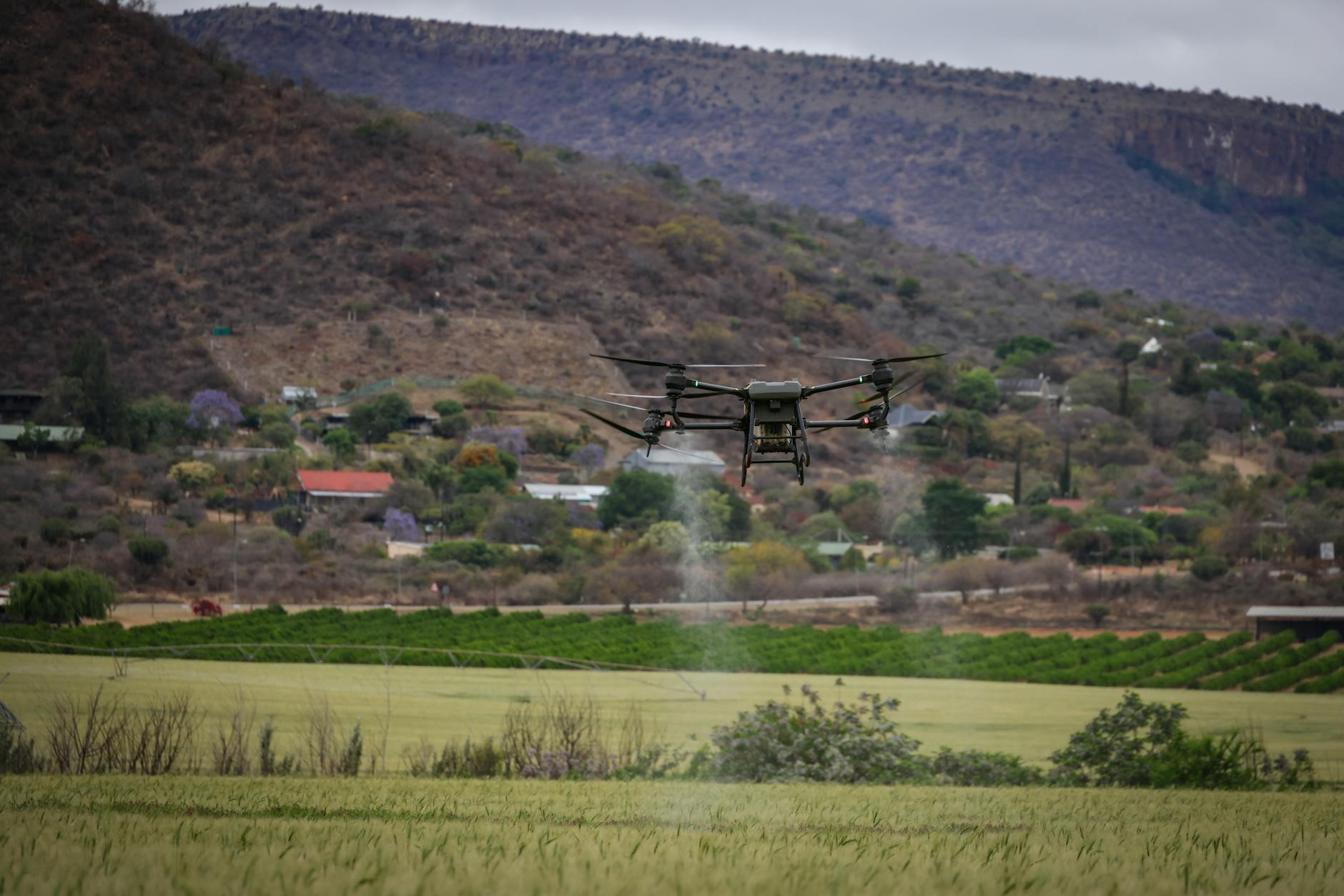
Agriculture, the backbone of many rural economies, benefits significantly from modern internet connectivity. Precision farming techniques rely on cloud-based data analysis, weather monitoring, and equipment automation. Farmers can monitor soil conditions remotely, optimize irrigation systems, and access commodity markets in real-time. This technological integration helps rural agricultural businesses remain competitive in global markets.
Economic and Infrastructure Advantages
Satellite internet offers compelling economic advantages for both providers and consumers in rural markets. Unlike terrestrial broadband that requires extensive infrastructure investment – running cables across vast distances with few customers to serve – satellite coverage scales efficiently. Once satellites are in orbit, adding customers doesn’t require additional infrastructure investment.
This scalability translates to faster deployment timelines. While fiber optic installations can take years to reach remote areas, satellite internet can begin serving customers immediately upon service activation. Rural communities don’t need to wait for utility companies to string cables or dig trenches through challenging terrain.
The competitive pressure from satellite providers has also spurred innovation in terrestrial broadband. Cable and fiber companies are expanding into previously ignored rural markets, recognizing the threat of losing potential customers to satellite alternatives. This competition benefits rural consumers through improved options and competitive pricing.
Government initiatives have supported this expansion through programs like the Rural Digital Opportunity Fund, which provides billions in subsidies to expand broadband access. Many satellite internet providers participate in these programs, making their services more affordable for low-income rural households.
The reliability factor cannot be overstated. Natural disasters that damage terrestrial infrastructure – hurricanes, floods, earthquakes – often leave satellite internet services intact. This resilience makes satellite internet particularly valuable for emergency communications and disaster response in rural areas.
Looking Forward: The Future of Rural Connectivity
The trajectory of satellite internet technology points toward even greater improvements in the coming years. Next-generation satellites promise higher speeds, lower latency, and increased capacity. Integration with edge computing technologies will bring data processing closer to rural users, further reducing latency and improving performance.
Pricing continues to become more competitive as the technology matures and competition intensifies. Many satellite internet providers now offer unlimited data plans, eliminating the data caps that previously limited rural internet usage. Equipment costs are decreasing, and financing options make the initial investment more accessible to rural families.
The success of satellite internet in rural markets is creating a ripple effect beyond connectivity. Rural communities are experiencing economic revitalization as remote work opportunities attract new residents and businesses. Property values in areas with reliable internet access are increasing, and local businesses can reach broader markets through e-commerce platforms.
As satellite internet becomes truly mainstream for rural communities, it’s solving one of America’s most persistent digital challenges. The transformation from connectivity deserts to digitally empowered communities represents more than technological progress – it’s about ensuring equal opportunity and access regardless of geographic location. Rural America is no longer waiting for the future to arrive; it’s actively participating in creating it.
Frequently Asked Questions
How fast is satellite internet in rural areas?
Modern satellite internet offers 50-200 Mbps download speeds, dramatically faster than traditional rural options like DSL or dial-up.
Is satellite internet reliable for work from home?
Yes, new low-orbit satellite systems provide low latency and consistent speeds suitable for video calls, file transfers, and remote work.