


A 10-by-12-foot glass cube sits in Sarah Chen’s Oakland backyard, complete with ethernet cables snaking through the garden beds and a dedicated AC unit humming beside her tomato plants. Inside, the marketing director hosts video calls with clients across three time zones, her home office now a literal world away from her kitchen table.
Chen joins thousands of remote workers who’ve discovered that the solution to work-from-home fatigue isn’t returning to corporate offices – it’s building their own professional spaces steps from their back door. The backyard office pod industry has exploded from a niche curiosity to a $1.2 billion market, driven by workers who want separation between home and work without surrendering the flexibility of remote employment.
These aren’t garden sheds retrofitted with WiFi. Modern office pods feature floor-to-ceiling windows, climate control systems, soundproofing materials, and built-in desk configurations. Companies like Studio Shed, Autonomous, and Tuff Shed report order backlogs stretching months as demand continues surging well beyond pandemic peaks.

The Great Separation: Why Kitchen Tables Aren’t Cutting It
The shift toward backyard offices reflects a fundamental problem with early remote work arrangements. When companies scrambled to enable work-from-home policies in 2020, most employees improvised office spaces in bedrooms, dining rooms, and spare closets. Three years later, the novelty has worn thin.
“I was taking client calls from my bedroom for two years,” says Marcus Rodriguez, a Los Angeles-based financial advisor who installed a prefab office pod last spring. “My sleep quality tanked because my brain never stopped associating that space with work stress.”
Sleep researchers have documented this phenomenon extensively. Dr. Matthew Walker’s team at UC Berkeley found that bedroom offices disrupt circadian rhythms and reduce REM sleep quality. The physical separation provided by backyard offices helps workers maintain healthier boundaries between professional and personal time.
Beyond sleep hygiene, many remote workers struggle with family interruptions and household distractions. Parents report particular challenges maintaining professional presence during video conferences when children, pets, or delivery drivers create background chaos.
The pod solution addresses these issues while preserving commute-free schedules. Workers step outside, walk twenty feet, and enter a dedicated professional environment. At day’s end, they lock the door and return to home life with clear psychological separation.
From Garden Sheds to High-Tech Sanctuaries
Early backyard office adopters often converted existing sheds or built simple structures using conventional construction methods. Today’s market offers sophisticated prefabricated solutions designed specifically for professional use.
Studio Shed’s “Signature Series” pods feature double-wall construction, commercial-grade insulation, and tempered glass windows. The structures arrive in modular sections that assemble without foundation work in most municipalities. Prices range from $15,000 for basic 64-square-foot models to $35,000 for larger configurations with premium finishes.
Autonomous, better known for standing desks and office chairs, launched their “WorkPod” line targeting tech workers specifically. These pods include built-in cable management, multiple ethernet ports, and integrated task lighting systems. The company reports that 40% of buyers work in software engineering or related technical fields.
Technology integration distinguishes modern office pods from simple backyard structures. Many models include pre-wired electrical systems supporting high-speed internet, multiple monitors, and climate control without requiring homeowners to run new utility lines.
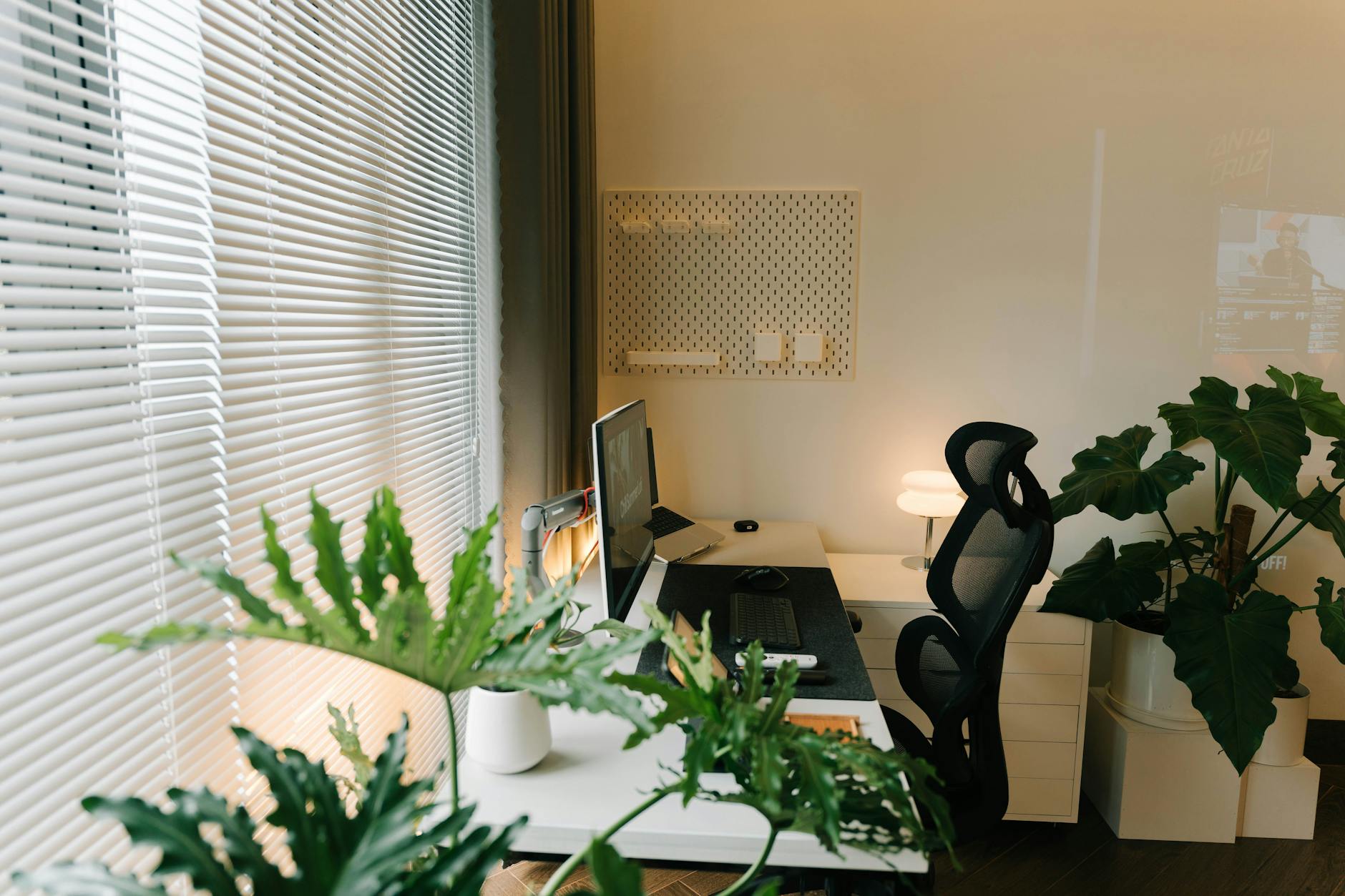
Soundproofing represents another crucial feature driving adoption. Acoustic panels and specialized glass reduce both incoming and outgoing noise, allowing workers to take confidential calls without disturbing neighbors or family members. This isolation proves particularly valuable for professionals handling sensitive client information or participating in early morning meetings with international teams.
Zoning Battles and Neighbor Relations
The backyard office boom has created unexpected friction in residential neighborhoods. Many municipalities classify office pods as accessory dwelling units, triggering permit requirements, setback restrictions, and design reviews. San Francisco and Los Angeles have updated zoning codes to accommodate the structures, but smaller cities often lack clear regulations.
“We’ve seen everything from six-month permit delays to outright rejections,” explains Jennifer Walsh, a land use attorney specializing in residential zoning. “Some homeowners associations prohibit any backyard structures visible from the street, which eliminates most office pod options.”
Property value impacts add another layer of complexity. Real estate agents report mixed results when selling homes with backyard offices. Buyers in tech-heavy markets view the structures as valuable amenities, while families seeking traditional yard space may consider them obstacles.
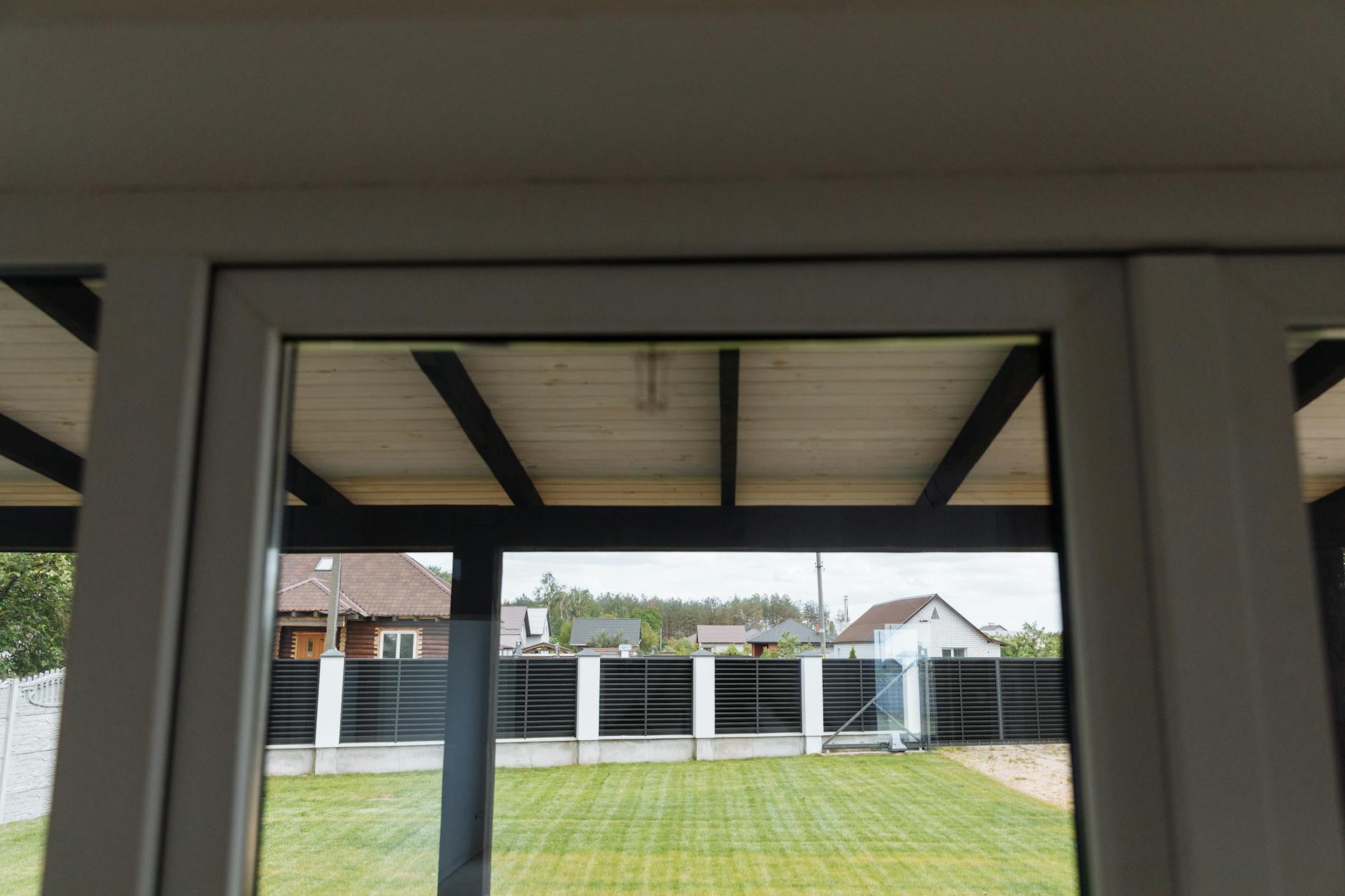
Neighbor complaints focus primarily on visual impact and noise concerns. While modern pods emphasize sleek, minimalist designs, structures over eight feet tall can obstruct sight lines and create privacy issues for adjacent properties.
Several manufacturers now offer “stealth” designs with earth-tone colors and reduced height profiles to minimize visual disruption. Some municipalities have responded by fast-tracking permits for pods meeting specific aesthetic and size criteria.
The Economics of Backyard Independence
Cost analysis drives many backyard office decisions. Urban professionals often discover that pod installations cost less than annual parking and commuting expenses for traditional office work. A $25,000 pod amortized over five years equals roughly $400 monthly – often less than downtown parking fees alone.
Energy efficiency adds long-term value. Modern pods feature LED lighting, mini-split HVAC systems, and high-performance insulation that typically costs under $50 monthly to climate-control year-round. Compare that to co-working space memberships ranging from $200-500 monthly in major metropolitan areas.
The structures also provide property improvements that survive job changes. Unlike corporate sleep pods that serve temporary workplace trends, backyard offices adapt to new careers, freelance work, or family needs over decades.
Tax implications vary by jurisdiction and usage patterns. Some remote workers qualify for home office deductions that include backyard structures, though IRS guidelines require exclusive business use. Homeowners should consult tax professionals before claiming deductions related to office pods.
The Future of Distributed Work
Backyard office adoption signals broader changes in how Americans conceptualize work environments. Rather than choosing between home and corporate offices, professionals increasingly create customized solutions matching their specific needs and circumstances.
This trend extends beyond individual workers. Some companies now offer “pod stipends” or installation assistance as recruitment tools, recognizing that high-quality home office spaces improve employee retention and productivity. Others partner with manufacturers to provide bulk ordering discounts for remote teams.
The technology powering these spaces continues evolving rapidly. Next-generation pods may include integrated video conferencing systems, automated climate controls linked to calendar schedules, and smart glass that adjusts transparency based on meeting requirements.
As remote work solidifies from pandemic emergency measure to permanent employment option, backyard offices represent a logical evolution. They preserve the flexibility and autonomy that workers value most while addressing the isolation and boundary issues that make kitchen table offices unsustainable long-term.
For professionals like Chen, the investment pays dividends beyond mere convenience. “I’m more productive, less stressed, and my family actually sees me more because work stays in the pod,” she explains. “It’s the best of both worlds – total control over my environment without losing the human connections that make home-based work worthwhile.”
Frequently Asked Questions
How much do backyard office pods cost?
Prices range from $15,000 for basic models to $35,000 for larger pods with premium features and technology integration.
Do I need permits for a backyard office pod?
Most municipalities require permits for office pods, with regulations varying significantly by location and structure size.