



The conference room is booked, the WiFi is spotty, and your laptop screen isn’t cutting it for a team of twelve scattered across three time zones. Welcome to the new reality of remote presentations, where traditional setups fall short and portable projectors are stepping up as the unexpected hero of hybrid work culture.
Sales professionals closing deals from coffee shops, educators teaching from unconventional spaces, and consultants delivering pitches in client offices are driving unprecedented demand for pocket-sized projection technology. What once seemed like a niche gadget for tech enthusiasts has evolved into essential business equipment, with the portable projector market growing by over 15% annually as remote work reshapes professional communication.

The Technology Behind the Transformation
Modern portable projectors have shed their bulky ancestors’ limitations through advances in LED and laser light sources. These newer models deliver brightness levels approaching 3,000 lumens while weighing under two pounds – a dramatic improvement from earlier generations that struggled to produce watchable images in anything but pitch-black rooms.
Battery life has become a game-changer, with current models offering three to four hours of continuous projection. The integration of wireless connectivity through WiFi Direct, Bluetooth, and screen mirroring protocols eliminates the cable management headaches that plagued earlier presentations. Users can now project directly from smartphones, tablets, or laptops without hunting for the right adapter.
Resolution capabilities have also made significant strides. While early portable units maxed out at 480p, today’s models routinely support 1080p Full HD, with premium versions offering 4K compatibility. The shift from traditional lamp-based systems to solid-state lighting has virtually eliminated the maintenance issues and lamp replacement costs that once made portable projection impractical for regular use.
Processing power improvements have enabled built-in streaming capabilities. Many current models run Android operating systems, allowing direct access to presentation platforms like Google Slides, PowerPoint online, and cloud storage services without requiring a connected device.
Professional Applications Driving Adoption
Remote sales teams have emerged as primary drivers of portable projector adoption. Real estate agents showcase property details in empty homes, pharmaceutical reps present drug information in medical offices, and consultants deliver proposals in client conference rooms where AV equipment isn’t available or compatible.
Educational applications extend beyond traditional classrooms. Corporate trainers conducting sessions in hotel conference rooms, driving instructors teaching theory components, and outdoor education programs have all found portable projection invaluable. The ability to transform any flat surface into a presentation screen opens possibilities that fixed installations cannot match.
Construction and architecture professionals use portable projectors for on-site plan reviews, projecting blueprints directly onto walls or temporary surfaces. This application has proven particularly valuable during the construction boom, where teams need to review detailed plans in spaces without permanent presentation infrastructure.
Event planners and marketing professionals leverage portable projection for pop-up presentations, trade show booths, and outdoor events where traditional AV setups would be impractical or cost-prohibitive. The flexibility to create instant presentation spaces has become essential for businesses operating in temporary or unconventional venues.

Integration with Modern Work Tools
The convergence of portable projection technology with cloud-based collaboration platforms has created seamless workflow integration. Modern units connect directly to platforms like Zoom, Microsoft Teams, and Google Meet, enabling hybrid presentations where some participants attend in person while others join remotely.
Screen mirroring capabilities have evolved beyond simple display duplication. Advanced models support annotation features, allowing presenters to mark up projected content in real-time using connected devices or built-in touchscreen controls. This functionality bridges the gap between digital whiteboards and traditional projection, offering interactive capabilities previously reserved for expensive fixed installations.
Compatibility with wireless charging technology has eliminated another friction point. Premium portable projectors now support the same wireless charging standards used by smartphones and other devices, creating unified power management systems for mobile professionals. This development aligns with broader trends in wireless charging adoption, as multi-device charging zones become standard in modern workspaces.
File format support has expanded to accommodate diverse media types, from traditional PowerPoint presentations to video content, interactive PDFs, and web-based applications. The ability to present various content types without format conversion or compatibility concerns has streamlined the preparation process for mobile presentations.
Market Evolution and User Expectations
Consumer expectations have shifted from viewing portable projectors as emergency backup solutions to considering them primary presentation tools. This change reflects broader technology adoption patterns where mobility and flexibility take precedence over maximum performance specifications.
Price points have democratized access to quality portable projection. Mid-range models now offer features that were premium exclusives just two years ago, making the technology accessible to small businesses, freelancers, and individual professionals who previously couldn’t justify the investment.
The user experience focus has intensified, with manufacturers prioritizing setup speed and intuitive operation over technical specifications that most users never utilize. One-button operation, automatic keystone correction, and instant-on capabilities have become standard features rather than premium additions.
Market differentiation has emerged through specialized applications rather than raw performance metrics. Gaming-focused models emphasize low input lag, business units prioritize wireless connectivity and security features, while education-oriented versions focus on durability and classroom-specific functions.
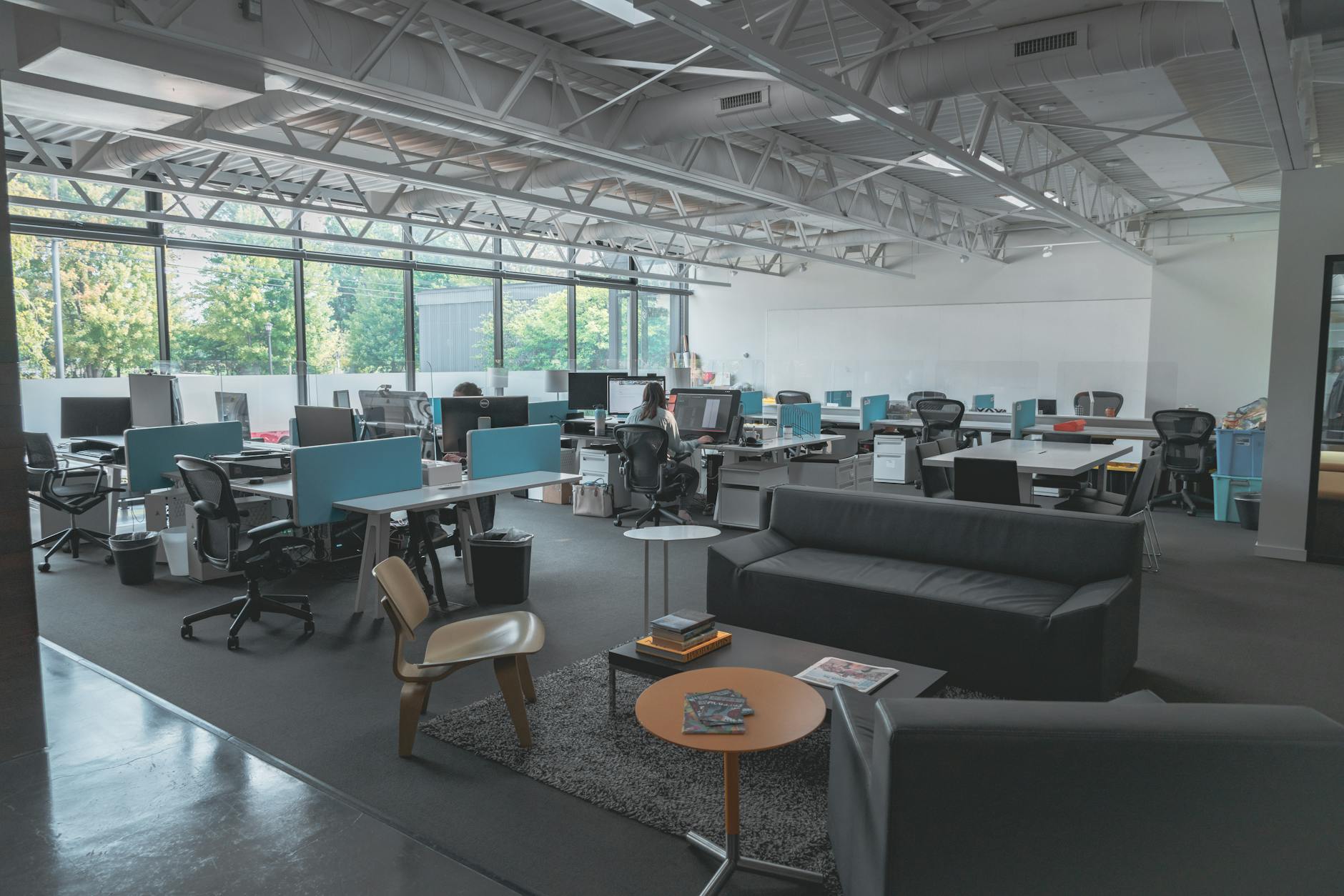
The portable projector revolution represents more than technological advancement – it reflects the fundamental shift toward flexible, location-independent work practices. As remote and hybrid work models cement their place in professional culture, tools that enable seamless collaboration regardless of physical constraints become indispensable.
The trajectory points toward further integration with emerging technologies. Augmented reality overlays, voice control integration, and enhanced AI-powered auto-adjustment features will likely define the next generation of portable projection technology. For professionals navigating the evolving landscape of remote work, portable projectors have transitioned from nice-to-have gadgets to essential tools for effective communication and collaboration.
Frequently Asked Questions
What resolution do modern portable projectors support?
Current models routinely support 1080p Full HD, with premium versions offering 4K compatibility for professional presentations.
How long do portable projector batteries last?
Modern portable projectors offer 3-4 hours of continuous projection, sufficient for most business presentations and meetings.