


College campuses across America are quietly revolutionizing how students live. From MIT’s new modular housing initiative to the University of California system’s ambitious construction plans, major universities are ditching traditional brick-and-mortar dormitories for factory-built, stackable housing units that can be assembled like building blocks.
The shift represents more than just a construction trend. Universities facing enrollment surges, aging infrastructure, and tight budgets are discovering that modular dormitories offer solutions traditional building methods cannot match. These prefabricated units arrive on campus nearly complete, dramatically reducing construction time and costs while providing flexibility that permanent structures lack.
Speed Meets Demand in University Housing
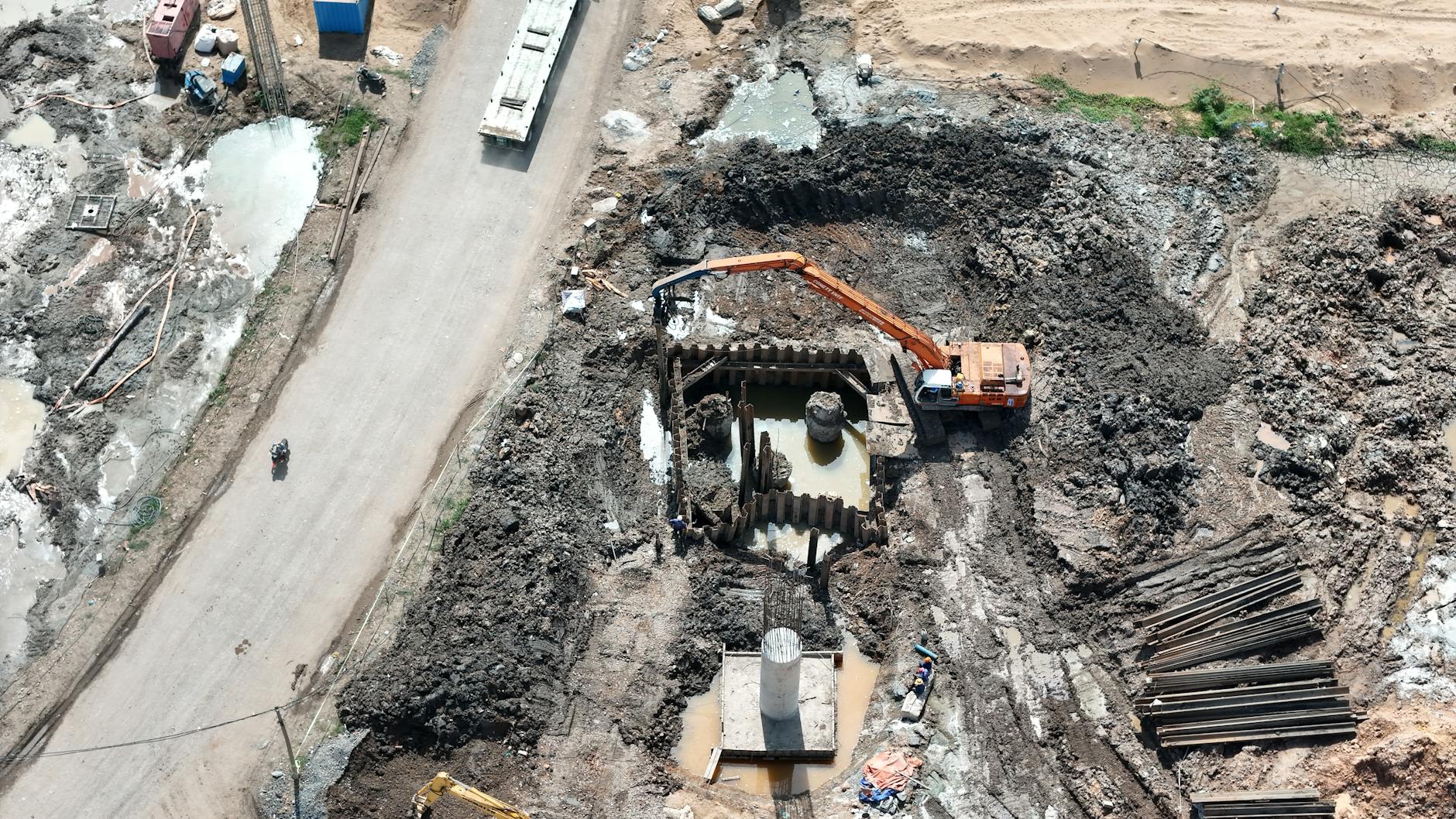
Traditional dormitory construction takes 18 to 24 months from groundbreaking to move-in day. Modular complexes slash that timeline to 8-12 months, with units manufactured in climate-controlled facilities while site preparation occurs simultaneously. This parallel construction process has become crucial as universities struggle to house growing student populations.
The University of Vermont recently completed a 400-bed modular complex in just ten months, housing students a full year earlier than traditional construction would have allowed. Each unit arrived 85% complete, requiring only connections for utilities and final interior finishes. The time savings translated directly to revenue, with the university collecting housing fees a year ahead of schedule.
California State University has embraced modular construction across multiple campuses, citing both speed and cost efficiency. Their modular projects consistently come in 15-20% under traditional construction budgets while meeting the same safety and building code requirements as permanent structures. The prefabricated units undergo rigorous quality control in factory settings, often resulting in fewer construction defects than site-built alternatives.
Flexibility in an Uncertain Market
Unlike permanent dormitories, modular complexes can be reconfigured, relocated, or expanded as enrollment patterns shift. This adaptability has proven invaluable as universities navigate demographic changes and evolving student preferences. Some institutions have relocated entire housing complexes from one campus to another, responding to enrollment shifts between satellite locations.
The modular approach allows universities to test new housing concepts without permanent commitment. Several schools have experimented with different room configurations, common area layouts, and amenity packages by swapping out individual modules. This iterative approach to campus housing would be impossible with traditional construction.

Remote work trends have influenced student housing preferences, with many seeking private spaces for virtual learning and work. Modular units can be customized during manufacturing to include dedicated study nooks, improved soundproofing, and enhanced internet infrastructure. Like the trend of remote workers building backyard office pods, students increasingly value spaces designed for focused work.
Sustainability and Smart Design
Factory construction environments enable more precise material usage and waste reduction compared to traditional building sites. Modular manufacturers report 20-30% less construction waste, with offcuts and excess materials recycled within the facility rather than sent to landfills. The controlled environment also allows for better insulation installation and energy-efficient systems integration.
Many modular dormitory units incorporate smart building technologies from the factory floor. Pre-installed sensors monitor air quality, energy usage, and occupancy patterns, providing universities with detailed data on building performance. These systems help optimize heating, cooling, and lighting automatically, reducing operational costs and environmental impact.
The University of Washington’s modular housing project features units with integrated solar panels, rainwater collection systems, and high-efficiency HVAC systems. The standardized design allows for bulk purchasing of sustainable materials and equipment, making green technologies more cost-effective than custom installations.
Challenges and Evolution
Despite advantages, modular dormitory construction faces regulatory hurdles in some jurisdictions. Building codes written for traditional construction methods don’t always accommodate innovative modular designs. Universities have worked closely with local authorities to establish approval processes for factory-built housing, often pioneering new regulatory frameworks.
Transportation logistics present another challenge. Modular units must navigate weight restrictions, bridge clearances, and narrow campus roads. Some manufacturers have developed collapsible or partially assembled units that expand on-site to overcome transportation constraints.
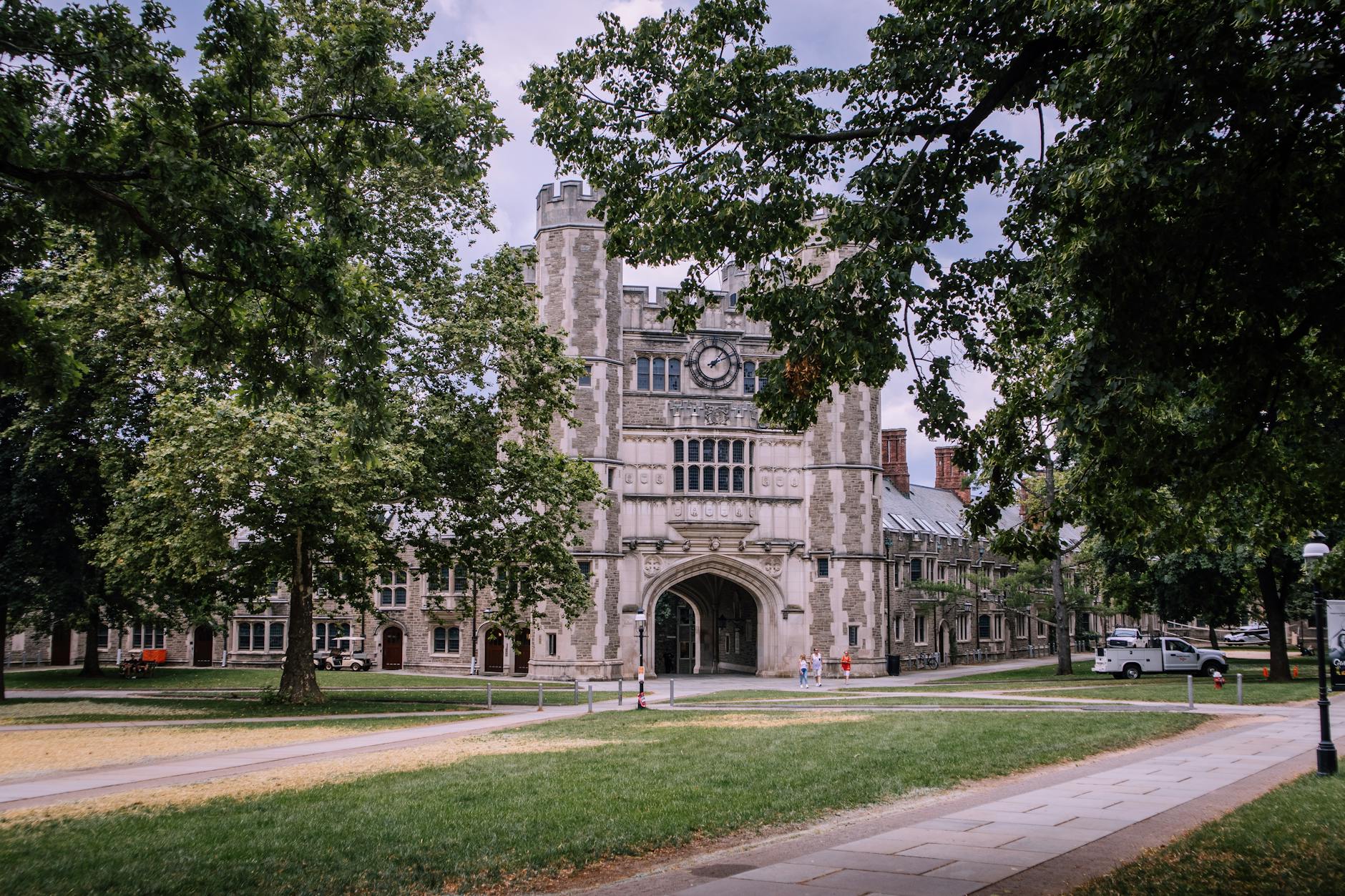
Student acceptance has generally been positive, though some initially questioned the perceived permanence of modular housing. Universities have addressed these concerns through careful design and marketing, emphasizing the modern amenities and environmental benefits of modular construction. Many students appreciate the consistent quality and contemporary features that factory construction enables.
The Future of Campus Housing
Modular dormitory construction represents a fundamental shift in how universities approach student housing. As manufacturing capabilities advance and regulatory frameworks adapt, modular construction will likely become the default choice for campus housing projects. The combination of speed, cost efficiency, and flexibility aligns perfectly with the financial pressures and changing needs facing higher education.
Major manufacturers are developing increasingly sophisticated modular designs, including multi-story configurations and integrated common areas that rival traditional dormitory complexes. Some companies are exploring partnerships with universities to create standardized housing modules that can be shared across multiple campuses, further driving down costs through economies of scale.
The trend mirrors broader construction industry shifts toward prefabrication and modular building methods. As universities continue to embrace these technologies, modular dormitories may become as common on campus as traditional residence halls, offering students modern, sustainable housing while providing institutions with the financial and operational flexibility they need to thrive.
Frequently Asked Questions
How long does modular dormitory construction take compared to traditional methods?
Modular construction takes 8-12 months versus 18-24 months for traditional dormitories, with units manufactured while site preparation occurs.
Can modular dormitory units be moved or reconfigured after installation?
Yes, modular units can be relocated, expanded, or reconfigured as enrollment patterns and housing needs change over time.