



Libraries across America are transforming from quiet book repositories into bustling innovation hubs, with 3D printing labs leading the charge. The American Library Association reports that over 400 public libraries now offer 3D printing services, a number that has tripled in the past five years as communities demand hands-on technology access.
This shift represents more than just adding new equipment. Libraries are positioning themselves as essential community resources for digital literacy, workforce development, and creative expression. From the Seattle Public Library’s maker spaces to the Chicago Public Library’s fabrication labs, these institutions are redefining what it means to serve modern communities.
Breaking Down Digital Barriers
The digital divide remains a persistent challenge, with many Americans lacking access to cutting-edge technology. 3D printers, which can cost thousands of dollars, remain out of reach for most individuals. Libraries are stepping in to democratize access to these tools.
At the Fayetteville Public Library in Arkansas, one of the first to embrace maker spaces in 2011, community members have printed everything from prosthetic hands to architectural models. The library’s FabLab has become a model for others, proving that public institutions can successfully manage sophisticated equipment while serving diverse populations.
Library staff report that 3D printing attracts users who might never have entered the building otherwise. Young entrepreneurs test product prototypes, educators create teaching aids, and hobbyists explore creative projects. The technology serves as a gateway, often leading users to discover other library resources and services.
The learning curve proves manageable with proper support. Most libraries require brief orientation sessions before allowing independent use, covering basic safety, file preparation, and printing procedures. Staff members, often trained through partnerships with local colleges or maker organizations, provide ongoing assistance and troubleshooting.
Educational Impact and Workforce Development
Libraries are partnering with schools to enhance STEM education through hands-on learning experiences. Students visit to print geometric models for math classes, historical artifacts for social studies, and molecular structures for chemistry. These tangible objects make abstract concepts accessible and memorable.
The workforce development angle has proven particularly compelling for library funding and community support. As manufacturing evolves toward more customized, on-demand production, familiarity with 3D printing becomes increasingly valuable. Libraries offer workshops on computer-aided design software, 3D modeling, and manufacturing principles.
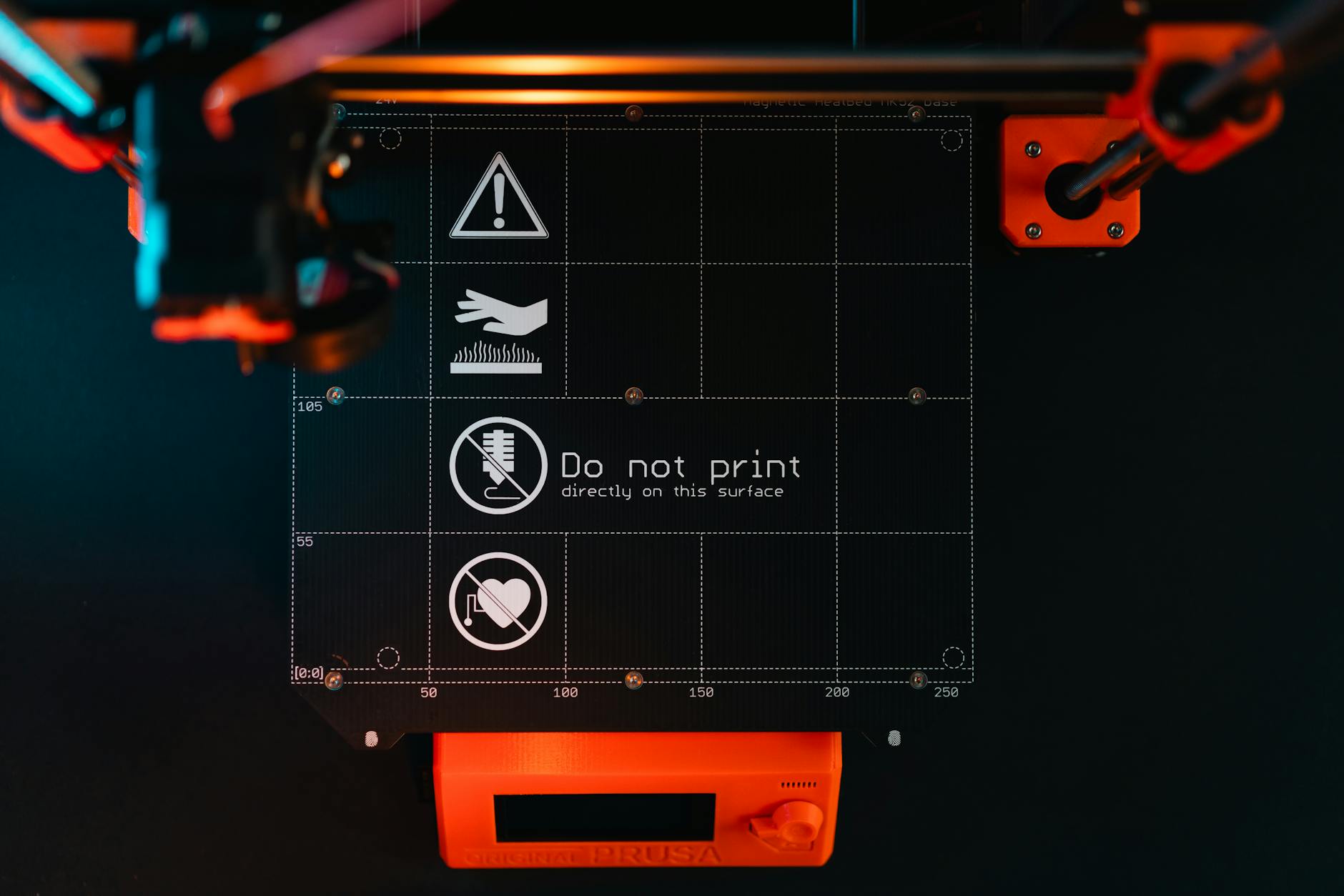
Local businesses are taking notice. Some partner with libraries to prototype products or create custom parts. Small manufacturers use library equipment for short runs of specialized components. This collaboration strengthens community economic development while justifying public investment in the technology.
Career counselors report that exposure to 3D printing often sparks interest in engineering, industrial design, and manufacturing careers. Students who might never have considered technical fields discover aptitudes and interests through hands-on experimentation.
The skills learned extend beyond 3D printing itself. Users develop problem-solving abilities, spatial reasoning, and digital literacy. They learn to iterate designs, troubleshoot technical issues, and work with complex software. These transferable skills benefit participants across various fields and applications.
Community Building Through Making
3D printing labs have become social spaces where people with diverse backgrounds collaborate on projects. Regular users often mentor newcomers, creating informal learning networks. Retirees share decades of manufacturing experience with young entrepreneurs, while students teach older adults about design software.
Libraries host maker nights, design challenges, and showcase events that build community around shared creativity. These gatherings break down age, socioeconomic, and cultural barriers as participants focus on solving problems and creating solutions together.
The technology has proven particularly valuable for addressing local needs. Community members have printed adaptive tools for people with disabilities, replacement parts for vintage appliances, and custom solutions for unique problems. This practical application demonstrates the technology’s real-world value while building local resilience.
Some libraries have developed specialty programs targeting specific populations. Veterans groups create therapeutic projects, homeschool cooperatives enhance science curricula, and senior centers explore new hobbies. These targeted offerings maximize impact while serving diverse community interests.
Just as remote workers are building backyard office pods to adapt to changing work patterns, libraries are adapting their spaces to meet evolving community needs through technology integration.
Overcoming Implementation Challenges
Despite enthusiasm, libraries face significant hurdles in establishing 3D printing programs. Initial equipment costs, ongoing maintenance, material supplies, and staff training require substantial investment. Many libraries start small with single-printer setups and expand based on demand and funding availability.
Maintenance presents ongoing challenges, as 3D printers require regular calibration, cleaning, and repair. Libraries often partner with local technical schools or maker organizations to provide maintenance support. Some negotiate service contracts with equipment suppliers to ensure consistent operation.
Safety and liability concerns require careful consideration. Libraries develop policies covering equipment use, material restrictions, and acceptable projects. Most prohibit printing weapons, copyrighted items, or potentially dangerous objects. Insurance coverage and legal consultation help manage risks while maintaining public access.
Space constraints limit some libraries’ ability to accommodate 3D printing labs. The equipment requires ventilation, storage for materials and finished projects, and work areas for design and finishing. Noise levels from printers can conflict with traditional library quiet spaces, leading to creative architectural solutions.
Looking Forward: The Future of Library Innovation
The success of 3D printing programs has encouraged libraries to explore additional technologies. Many are adding laser cutters, vinyl plotters, and electronics prototyping equipment. Some experiment with virtual reality systems, robotics kits, and artificial intelligence tools. This expansion reflects libraries’ growing role as community innovation centers.
Partnerships with educational institutions, businesses, and community organizations continue expanding. Libraries collaborate with universities on research projects, work with manufacturers on workforce development, and support entrepreneurs in product development. These relationships strengthen community connections while enhancing program sustainability.
The COVID-19 pandemic demonstrated the value of distributed manufacturing capabilities. Libraries with 3D printing equipment quickly pivoted to produce personal protective equipment, helping address critical shortages while showcasing their community service potential.
As technology costs continue decreasing and public demand for digital literacy grows, 3D printing labs in libraries represent just the beginning of a broader transformation. These institutions are proving that public spaces can successfully integrate cutting-edge technology while maintaining their core mission of serving all community members equally.
The future promises even greater integration between physical and digital resources, with libraries leading the way in making advanced technologies accessible to everyone, regardless of economic status or technical background.
Frequently Asked Questions
How much does it cost to use a library’s 3D printing service?
Most libraries charge only for materials used, typically $0.10-0.50 per gram of plastic filament, making projects cost just a few dollars.
Do I need experience to use library 3D printing equipment?
Libraries typically require brief orientation sessions and provide staff assistance, making the technology accessible to beginners.