



Smart shopping carts equipped with built-in digital scales are quietly rolling into major grocery chains across North America, transforming how customers weigh produce and calculate prices. Amazon’s Dash Cart technology has proven the concept works, and now traditional retailers are racing to implement their own versions of intelligent shopping solutions.
The technology represents more than just convenience – it’s reshaping the fundamental economics of grocery retail. When customers can weigh items instantly and see real-time pricing, they make different purchasing decisions. Early pilots show increased customer satisfaction and reduced checkout times, while giving retailers unprecedented data about shopping patterns.
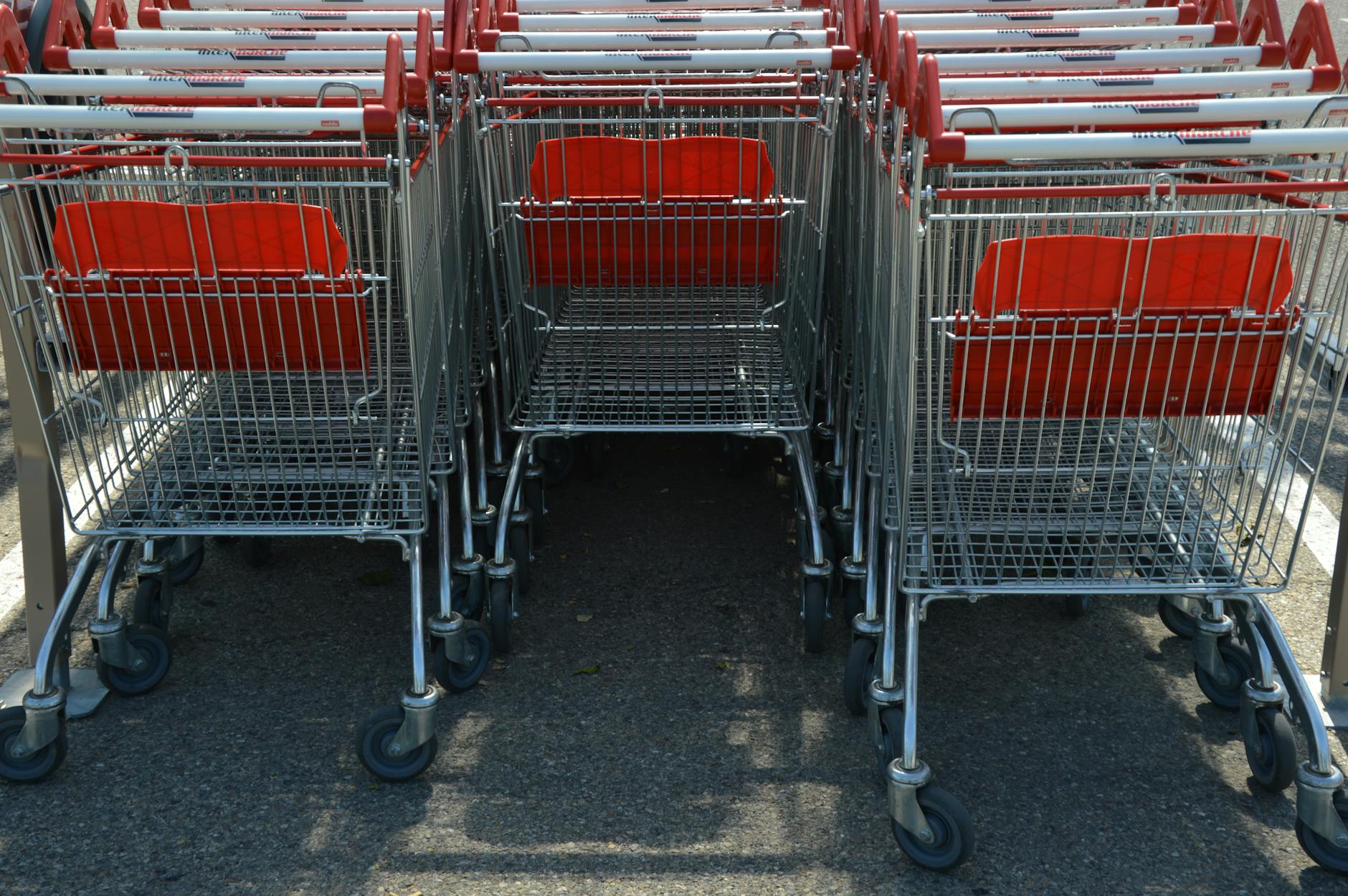
Reducing Labor Costs and Checkout Bottlenecks
Major chains like Walmart, Kroger, and Wegmans are testing smart cart systems to address their biggest operational challenge: labor shortage and checkout delays. Traditional produce sections require dedicated staff to assist with weighing items and printing price labels. Smart carts eliminate this bottleneck by letting customers weigh items directly in their cart.
The built-in scales connect to the store’s inventory system, automatically calculating prices based on current rates. When customers place apples in the cart, the display shows the exact weight and cost instantly. This eliminates the guesswork that often leads to checkout surprises and price disputes.
Wegmans’ pilot program in Rochester, New York, shows customers using smart carts spend 23% less time in produce sections and report higher satisfaction with their shopping experience. The carts also reduce the need for price checks at checkout, cutting average transaction times significantly.
Advanced Inventory Tracking and Loss Prevention
Smart carts serve as mobile data collection points, tracking exactly what items customers consider, weigh, and ultimately purchase. This granular data helps retailers optimize produce displays, adjust pricing strategies, and reduce food waste by identifying slow-moving items before they spoil.
The technology also addresses shrinkage – the retail term for inventory loss through theft or errors. Built-in cameras and weight sensors can detect when items are removed from carts or when weights don’t match expected product parameters. This isn’t about catching shoplifters but identifying pricing errors and inventory discrepancies in real-time.
Kroger’s smart cart trials in Cincinnati include RFID scanning capabilities alongside the scales, creating a comprehensive picture of customer behavior. The data shows which products customers pick up but don’t buy, helping merchandising teams understand decision-making patterns that traditional point-of-sale systems miss.

Integration with Digital Coupons and Loyalty Programs
The most sophisticated smart cart implementations connect directly to customers’ loyalty accounts and digital coupon systems. As customers add items, the cart’s display shows applicable discounts and suggests complementary products based on purchase history and current promotions.
This integration transforms grocery shopping from a transaction-focused experience into a personalized service. Customers see their running total, applied savings, and targeted offers throughout their shopping trip rather than discovering these details only at checkout.
Target’s ongoing smart cart pilot integrates with their Circle rewards program, showing customers their earned cash back and available perks as they shop. The system also suggests recipe ideas based on items in the cart, encouraging additional purchases while providing genuine value to shoppers.
Much like how libraries are installing 3D printing labs to offer new services and attract visitors, grocery stores are using smart cart technology to differentiate themselves in an increasingly competitive market.
Technical Challenges and Customer Adoption
Despite the benefits, smart cart implementation faces significant technical hurdles. The carts must maintain consistent Wi-Fi connectivity throughout large stores, handle multiple weighing scenarios without errors, and integrate seamlessly with existing point-of-sale systems.
Battery life presents another challenge. Current smart carts require nightly charging, limiting the number of units stores can deploy. Some retailers are experimenting with solar panels on cart handles or inductive charging stations throughout stores to extend operating time.
Customer adoption varies significantly by demographics and shopping habits. Younger shoppers embrace the technology quickly, while older customers often prefer traditional methods. Successful implementations include extensive staff training to help customers transition to the new systems without feeling overwhelmed.
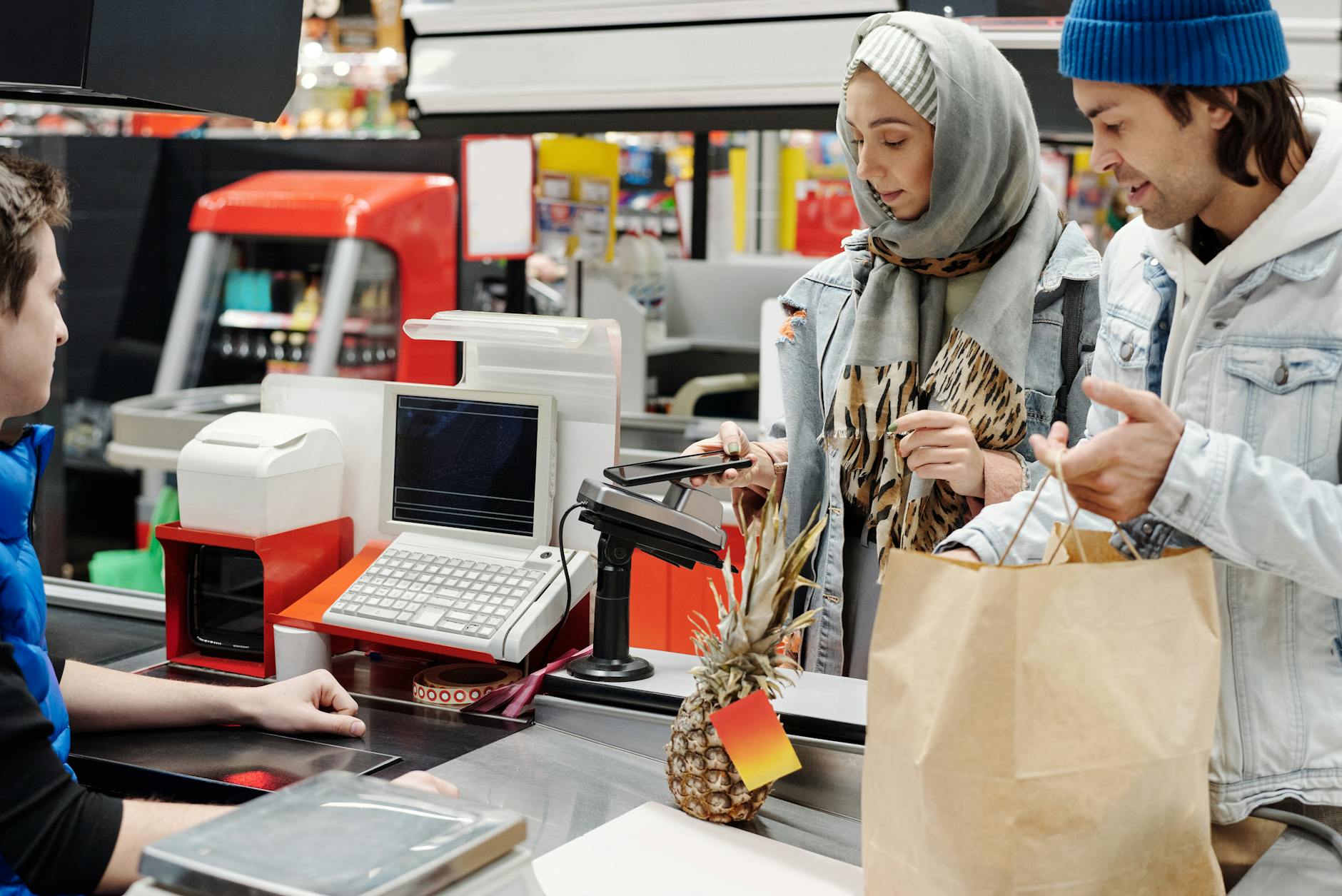
The grocery industry’s investment in smart shopping technology reflects broader changes in consumer expectations and retail competition. As online grocery delivery grows, physical stores must offer compelling reasons for customers to shop in person. Smart carts that provide convenience, personalization, and time savings represent one answer to this challenge.
Over the next two years, expect smart cart deployment to accelerate as technology costs decrease and customer familiarity increases. Early adopters are already seeing measurable improvements in customer satisfaction and operational efficiency, creating competitive pressure for other retailers to follow suit.
Frequently Asked Questions
How do smart shopping carts work?
Smart carts have built-in digital scales that weigh items as customers shop and display real-time pricing through connected store systems.
Which grocery stores are using smart carts?
Major chains including Walmart, Kroger, Wegmans, and Target are testing smart cart technology in select locations.