



Deep beneath the Nevada desert, Amazon Web Services operates a massive data center that never appears on any public map. Microsoft has tunnels carved into mountains in Norway. Google reportedly maintains facilities hundreds of feet underground in multiple continents. The tech giants have gone subterranean, and the reasons run deeper than simple security concerns.
Underground server farms represent a fundamental shift in how major corporations approach data storage and processing infrastructure. These buried facilities offer advantages that traditional above-ground data centers simply cannot match, from natural cooling systems to protection against increasingly severe weather events and geopolitical tensions.
The underground data center movement has accelerated dramatically since 2020, driven by climate change, energy costs, and the exponential growth in data processing demands. What started as an experimental approach has become a strategic imperative for companies handling sensitive government contracts, financial transactions, and massive AI workloads.
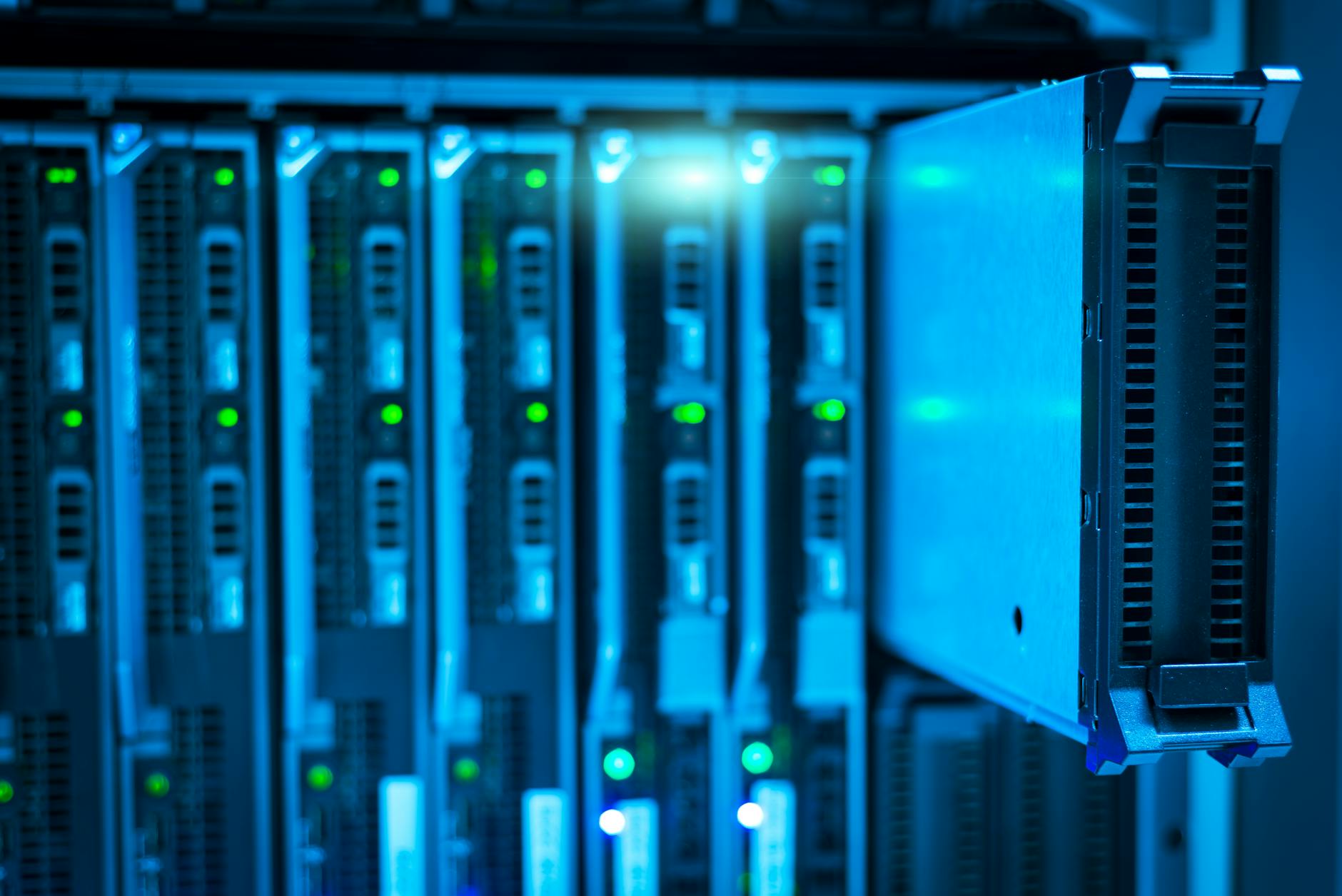
Natural Climate Control Drives Cost Savings
The earth maintains a consistent temperature approximately 50-60 degrees Fahrenheit just 10 feet below the surface. This natural thermal stability eliminates the enormous cooling costs that plague traditional data centers, which can consume up to 40% of their total energy budget on temperature regulation alone.
Facebook’s data center in Lulea, Sweden, built partially underground, leverages the region’s naturally cool climate and geothermal properties to reduce cooling costs by an estimated 60%. The facility processes data for European users while maintaining optimal server temperatures with minimal artificial cooling systems.
Iron Mountain, a data storage company, has converted former limestone mines in Pennsylvania into secure server facilities. The underground environment maintains steady temperatures year-round, eliminating the need for massive HVAC systems that traditional data centers require. These savings translate to lower operational costs and reduced carbon footprints.
The thermal advantages extend beyond basic cooling. Underground facilities experience minimal temperature fluctuations, reducing thermal stress on sensitive equipment and extending hardware lifespan. Server components last longer when not subjected to constant temperature variations, creating additional cost savings through reduced replacement cycles.
Security Through Obscurity and Physical Barriers
Underground data centers offer multiple layers of physical security that surface facilities cannot replicate. The earth itself becomes a natural barrier against unauthorized access, electromagnetic interference, and various forms of attack.
Government contractors like Raytheon and Lockheed Martin have invested heavily in underground server infrastructure for classified projects. These facilities protect sensitive defense data from both cyber attacks and physical threats, including electromagnetic pulse events that could disable surface-based electronics.
The security advantages extend to corporate espionage protection. Underground facilities are invisible to satellite surveillance and difficult to monitor from external locations. Companies handling sensitive intellectual property, financial data, or competitive research benefit from this inherent obscurity.
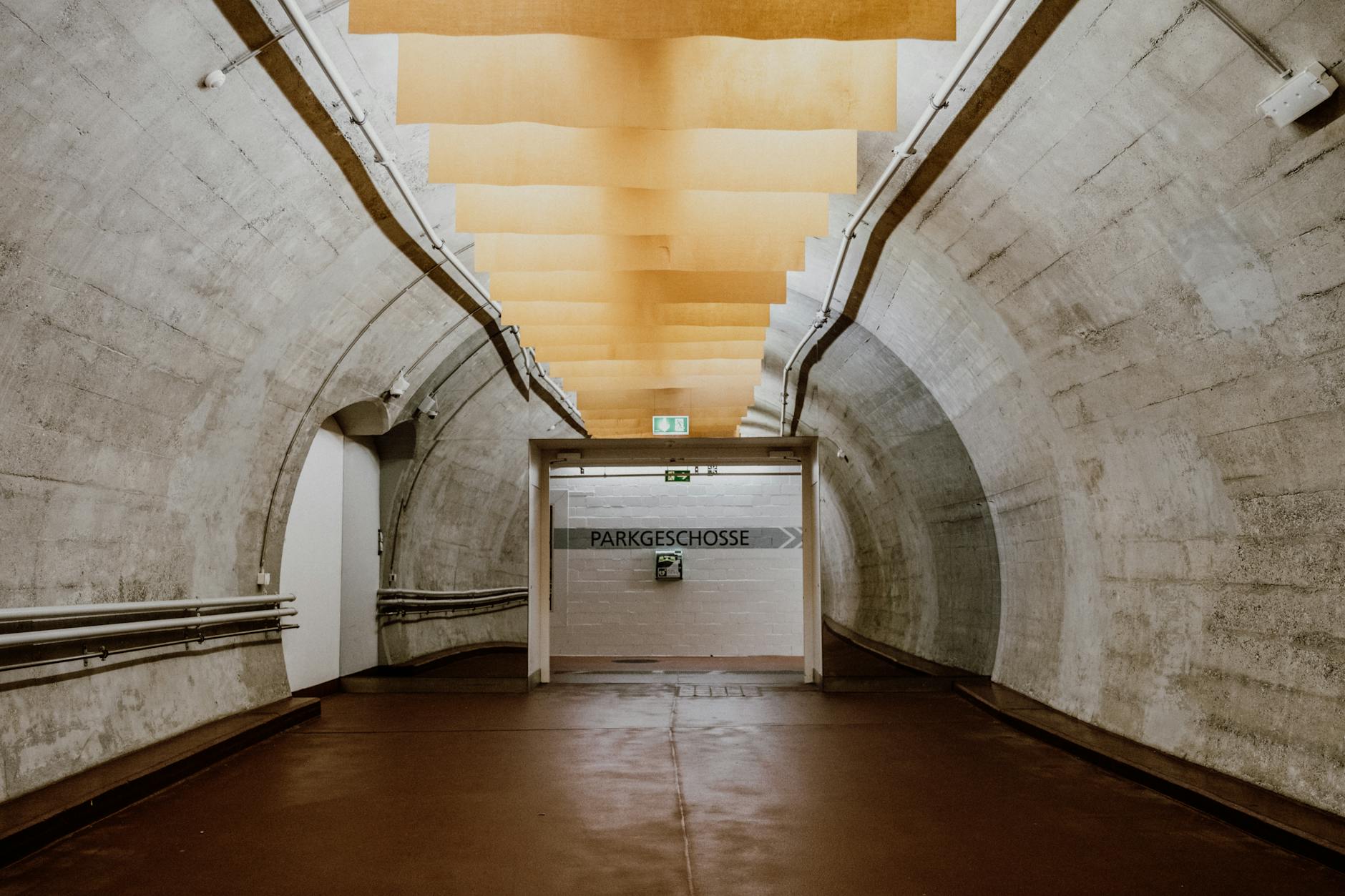
Natural disasters pose minimal threat to properly constructed underground facilities. While surface data centers face risks from hurricanes, tornadoes, floods, and wildfires, underground installations remain protected by tons of rock and earth. This resilience has become increasingly valuable as extreme weather events become more frequent and severe.
Several financial institutions have established underground backup facilities following lessons learned from Hurricane Sandy, which knocked out multiple data centers in New York and New Jersey in 2012. These underground installations ensure business continuity during major weather events that might disable surface infrastructure for days or weeks.
Regulatory Compliance and Data Sovereignty
Underground facilities help multinational corporations navigate complex data sovereignty requirements. When servers are literally buried within a country’s borders, it becomes much easier to demonstrate compliance with local data storage regulations.
European companies facing GDPR requirements have found underground facilities particularly valuable. The physical impossibility of quickly moving underground infrastructure provides clear evidence of data location, satisfying regulatory demands for data residency proof.
Banking institutions use underground server farms to meet stringent financial compliance requirements. The physical security and controlled access inherent in underground facilities help satisfy audit requirements for data protection and access control.
As governments worldwide implement stricter data localization laws, underground facilities provide a permanent, visible commitment to keeping data within specific jurisdictions. This permanence appeals to regulators who worry about data being quickly moved across borders via cloud services.
Future-Proofing Against Geopolitical Tensions
Rising geopolitical tensions have made underground data infrastructure a strategic asset. Companies operating globally need assurance that their data processing capabilities will remain functional regardless of international conflicts or trade disputes.
Tech companies have accelerated underground construction projects following recent tensions between major powers. These facilities provide operational continuity even if surface infrastructure becomes compromised through cyber warfare or physical attacks.
The trend toward underground infrastructure reflects broader concerns about infrastructure vulnerability in an interconnected world. Companies are building floating data centers in international waters for similar reasons, seeking operational independence from terrestrial political constraints.
Energy independence also factors into underground facility planning. Many underground data centers incorporate geothermal energy systems, reducing dependence on traditional power grids that might face disruption during conflicts or natural disasters.
The Underground Economy Expands
The underground server farm trend shows no signs of slowing. Construction companies now specialize in subterranean data center development, creating an entire ecosystem around buried digital infrastructure.
Major cloud providers continue expanding underground capacity while keeping specific locations confidential for security reasons. Industry experts estimate that underground data centers will represent 15% of global server capacity by 2030, up from less than 5% today.
The advantages of underground infrastructure extend beyond immediate operational benefits. These facilities represent long-term investments in digital resilience, providing corporations with competitive advantages that become more valuable as global instability increases. The companies building underground today are positioning themselves for a future where digital infrastructure security may determine business survival.
Frequently Asked Questions
Why are companies building underground data centers?
Underground facilities offer natural cooling, enhanced security, disaster protection, and lower operational costs compared to surface data centers.
Which companies operate underground server farms?
Amazon Web Services, Microsoft, Google, Facebook, and Iron Mountain all operate underground or partially underground data facilities.