



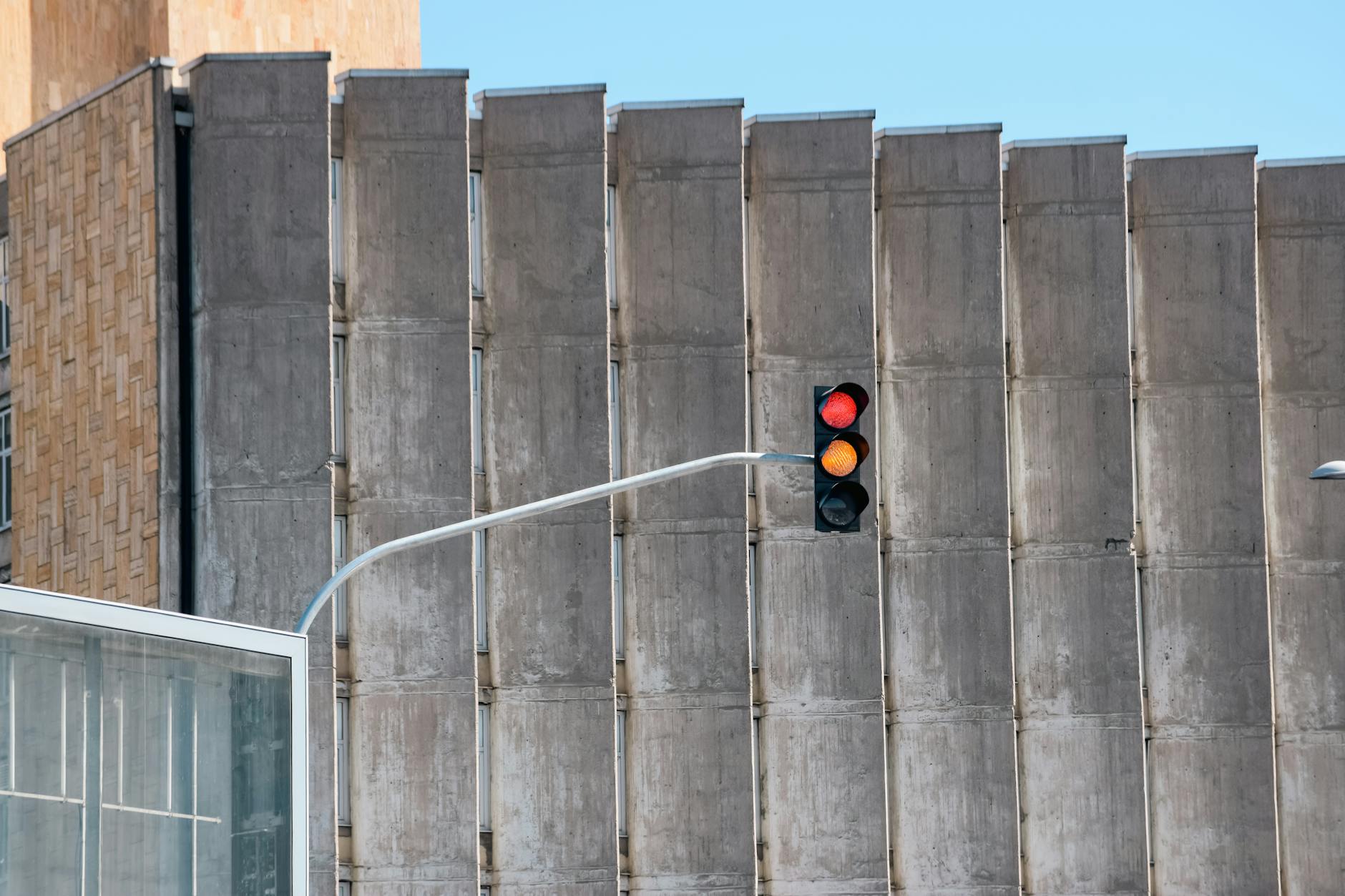
Traffic lights in Manhattan cycle through red, yellow, and green every 90 seconds, regardless of whether a single car waits at the intersection or hundreds idle in gridlock. This decades-old system costs American commuters over 100 hours annually in traffic delays, but cities worldwide are racing to deploy intelligent alternatives that adapt in real-time to actual conditions.
Los Angeles, Singapore, Barcelona, and dozens of other major metropolitan areas have committed to comprehensive smart traffic system rollouts by 2026. These AI-powered networks use sensors, cameras, and machine learning algorithms to optimize signal timing, reroute traffic around accidents, and communicate directly with connected vehicles. The transformation promises to cut commute times by up to 25% while reducing fuel consumption and emissions.
The Technology Behind Smart Traffic Management
Smart traffic systems combine multiple technologies into integrated networks that process thousands of data points per second. Computer vision cameras analyze vehicle counts, pedestrian movements, and traffic flow patterns at each intersection. Inductive loop sensors embedded in pavement detect vehicle presence and weight, while radar and lidar systems track speed and direction.
Machine learning algorithms process this constant stream of information to predict traffic patterns and adjust signal timing accordingly. When sensors detect heavy eastbound traffic during morning rush hour, the system automatically extends green light duration for those lanes while shortening cycles for lighter cross-traffic. During off-peak hours, the system can eliminate unnecessary delays by keeping main arteries flowing smoothly.
Vehicle-to-infrastructure communication represents the next evolution. Cars equipped with dedicated short-range communication chips can receive real-time updates about optimal speeds to hit green lights, upcoming construction zones, or alternative routes around accidents. Emergency vehicles get priority passage as traffic lights automatically clear their path blocks ahead of their arrival.
Cities are integrating these systems with existing infrastructure through partnerships with technology companies like IBM, Cisco, and Siemens. Barcelona’s smart city initiative connects traffic management with air quality monitoring, automatically adjusting signal patterns when pollution levels spike in certain districts. The system can discourage vehicle traffic through high-emission areas while promoting alternative transportation routes.
Real-World Results Drive Rapid Adoption
Early adopters report significant improvements in traffic flow and urban mobility. Los Angeles deployed adaptive signal control technology across 4,500 intersections, reducing travel times by 16% and vehicle emissions by 13%. The system cost $400 million but generates estimated annual savings of $1.6 billion in reduced fuel consumption and increased productivity.
Singapore’s comprehensive smart traffic network includes dynamic road pricing that adjusts tolls based on congestion levels. Electronic road pricing gantries charge higher fees during peak hours and lower rates when traffic flows smoothly. Revenue funds public transportation improvements while encouraging drivers to shift their travel times or choose alternative routes.
Pittsburgh partnered with Carnegie Mellon University to develop an AI system called Surtrac that reduced travel times by 25% and vehicle idling by 40% across 50 intersections. The technology analyzes traffic patterns in real-time and optimizes signal timing for the next several cycles based on predicted vehicle arrivals.
European cities are implementing smart traffic systems as part of broader sustainability initiatives. Amsterdam’s intelligent transportation system integrates with bike-sharing networks and public transit to provide multimodal route optimization. Commuters receive real-time recommendations combining walking, cycling, and metro options to reach their destinations most efficiently.
The COVID-19 pandemic accelerated smart traffic adoption as cities sought contactless solutions for managing changing mobility patterns. Remote monitoring capabilities allow traffic management centers to adjust signal timing without sending personnel to individual intersections. Predictive analytics help cities anticipate traffic pattern changes based on event schedules, weather forecasts, and historical data.
Infrastructure Challenges and Investment Requirements
Implementing citywide smart traffic systems requires substantial upfront investment and complex coordination across multiple municipal departments. Upgrading existing traffic signals with sensors, cameras, and communication equipment costs between $15,000 and $50,000 per intersection depending on complexity and local conditions.
Cities must also invest in fiber optic networks or 5G infrastructure to handle the massive data flows between traffic control centers and thousands of connected devices. Legacy traffic management systems often require complete replacement rather than upgrades, as older equipment lacks the processing power and connectivity needed for real-time optimization.
Cybersecurity presents ongoing challenges as smart traffic systems become attractive targets for malicious actors. Cities implement multi-layered security protocols including encrypted communications, regular software updates, and isolated networks that prevent traffic system breaches from affecting other municipal services.
Workforce training represents another significant investment as traffic management shifts from reactive signal timing adjustments to proactive data analysis and system optimization. Many cities partner with local universities or technology companies to train existing employees on new smart traffic platforms while recruiting data scientists and network engineers.
Similar infrastructure modernization trends are emerging across multiple sectors. Just as digital nomads are moving to rural areas for fiber internet, cities recognize that advanced connectivity infrastructure drives economic competitiveness and quality of life improvements.
Integration with Autonomous Vehicle Networks
Smart traffic systems serve as critical infrastructure for the eventual deployment of autonomous vehicles. Self-driving cars will communicate constantly with traffic management networks to optimize routing, coordinate lane changes, and maintain safe following distances. Vehicle-to-infrastructure communication enables precise coordination impossible with human drivers.
Cities are designing smart traffic systems with autonomous vehicle compatibility in mind. Traffic signals will eventually communicate directly with self-driving cars to enable smooth traffic flow without traditional stop-and-go patterns. Intersection coordination will allow autonomous vehicles to time their arrivals for seamless merging and turning movements.
Connected vehicle data will provide unprecedented insights into traffic patterns and transportation demand. Anonymous location and speed data from thousands of vehicles will help cities optimize road capacity, plan infrastructure improvements, and predict future transportation needs.
The transition period presents unique challenges as smart traffic systems must accommodate both traditional vehicles and early autonomous car adopters. Cities are implementing graduated rollouts that begin with basic adaptive signal control and evolve toward full vehicle-infrastructure integration over the next decade.
Public transit integration represents a major opportunity as cities develop smart traffic systems. Bus rapid transit lines equipped with signal priority can maintain schedule reliability even during heavy traffic periods. Real-time passenger information systems can provide accurate arrival predictions and suggest optimal route connections.
The Future of Urban Mobility
By 2026, smart traffic systems will transform daily commutes in major cities worldwide. The technology promises not just reduced travel times but also improved air quality, enhanced safety, and more livable urban environments. Cities that invest early in comprehensive smart traffic infrastructure position themselves for continued growth and competitiveness.
The convergence of artificial intelligence, 5G connectivity, and sustainable transportation creates unprecedented opportunities for urban innovation. Smart traffic systems represent just one component of broader smart city initiatives that integrate energy management, waste collection, public safety, and citizen services into connected urban platforms.
As cities race to complete smart traffic deployments by 2026, the winners will be those that view these systems not as isolated infrastructure projects but as foundations for the next generation of urban mobility and economic development.
Frequently Asked Questions
How much do smart traffic systems cost to install?
Installation costs range from $15,000 to $50,000 per intersection depending on complexity and required infrastructure upgrades.
What benefits do smart traffic systems provide?
They reduce travel times up to 25%, cut vehicle emissions by 13%, and decrease fuel consumption through optimized signal timing.